Heat-Resistant Features in Modern Paint Protection Films: Advanced Durability and Technology
When it comes to keeping your car looking sharp, a clear paint protection film (PPF) can be a game changer, but not all films handle heat the same way. If you've ever noticed bubbles or yellowing after a summer of parking in the sun, you know that temperature matters. That's why heat-resistant PPFs are becoming must-have protection for anyone serious about keeping their paint flawless, no matter how hot it gets outside. This article explores what makes these advanced films tougher against heat and how that technology keeps your ride protected longer than ever before.
Modern paint protection films are engineered with advanced thermoplastic urethane materials that provide exceptional durability and clarity while maintaining resistance to high temperatures. These films feature heat-activated self-healing properties, allowing minor scratches to repair when exposed to heat from sunlight, and top-tier versions can withstand temperatures up to 200°F without adhesive degradation, ensuring long-lasting protection even in extreme heat conditions.
The Rise of Heat-Resistant Paint Protection Films
Paint protection films were initially valued for their resistance to scratches and chips, but as they became widespread, users in hot climates encountered a persistent problem: traditional films would peel, bubble, and yellow under intense heat. Standard polyurethane-based films start to degrade once surface temperatures exceed about 150°F, a reality for many vehicles exposed to direct sunlight or desert conditions. This limitation sparked a focused effort within the industry to develop heat-resistant variants capable of maintaining clarity and adhesion even under harsh circumstances. The breakthrough came with innovations in the chemical makeup of PPFs. By introducing thermoplastic urethane matrices designed for thermal stability and incorporating advanced technology for efficient heat dissipation, manufacturers created films that withstand continuous exposure to elevated temperatures without losing strength or becoming discolored.
Some new products even have layers mixed with ceramic that bounce back a lot of infrared radiation, which helps keep the vehicle's surface cooler and prevents the film from breaking down. These advanced heat-resistant films retain strength even after extensive exposure to elevated temperatures, a stark contrast to older formulas, which rapidly lose integrity. This durability means these films can last about five to seven years before they start to yellow or lose their stickiness, which is a big improvement considering the high temperatures many cars deal with. From a practical perspective, selecting heat-resistant PPF means investing in a product engineered not just for toughness against physical harm but also for resilience against the invisible enemy: heat stress. When placed on cars frequently parked outdoors in blistering conditions, these films maintain their seamless appearance and protective function far longer than standard options. This endurance safeguards your paint job and saves on costly repairs tied to premature film failure.
To maximize these benefits, professionals emphasize proper installation practices, such as applying the film to shaded areas and preparing surfaces meticulously, to avoid premature adhesive activation. Also, regularly cleaning with pH-neutral soaps and UV protectants helps keep the film's features intact while maintaining its clarity and water-repellent properties over time. Understanding the strides made in materials science sets the stage for exploring the underlying mechanisms that enable these films to resist heat so effectively.
How Heat Resistance Works in PPFs
At the core of heat-resistant paint protection films is the clever use of thermoplastic urethane combined with specialized additives, such as heat stabilizers and ultraviolet (UV) inhibitors. These materials form a film that can endure high temperatures, which is crucial for vehicles exposed to intense sun or hot climates. The thermoplastic urethane itself provides flexibility and toughness, while the heat stabilizers act like guardians, preventing the polymer from breaking down under heat stress. If this degradation isn't stopped, it could lead to problems like peeling, bubbling, and discoloration that are common in older or less advanced films. The UV inhibitors play a different but equally important role: they protect the film's clarity and color from sun-induced fading and brittleness. Without these inhibitors, long-term sunlight exposure can yellow and weaken the film, drastically reducing its effectiveness. Essentially, these inhibitors shield both the film and the vehicle's paint beneath from the sun's harsh rays.
Beyond this robust material foundation, heat-resistant paint protection films benefit from a thicker layering, which adds thermal insulation and helps keep the vehicle surface cooler. This thickness also aids in deflecting radiant heat instead of absorbing it fully. Some manufacturers incorporate ceramic-infused coatings on top of the film to further reduce heat absorption, boosting thermal tolerance while maintaining clarity. Another subtle but powerful feature is emissivity, the ability of a surface to radiate heat away. Heat-resistant films are engineered with low emissivity values, meaning they reflect much of the infrared radiation rather than trapping it, which keeps both the paint and film cooler under the blazing sun. These advanced technologies form a complex armor protecting your vehicle not only from physical damage but also from the invisible threats posed by intense heat exposure.
Material Innovation in Modern PPFs
At the core of today's paint protection films lies a sophisticated multi-layer construction designed to meet multiple performance demands simultaneously. This design assigns each layer a critical role, ensuring protection, longevity, and visual clarity all at once. The topmost layer often incorporates specialized polymers infused with UV blockers and ceramic particles. These components not only fend off sun damage but also keep the film crystal clear, preventing yellowing or discoloration even after prolonged exposure to harsh sunlight. This is crucial for maintaining a vehicle's showroom finish, especially in sun-drenched climates where UV radiation is intense.
Beneath this protective shield lies a self-healing layer crafted from an elastomeric polyurethane blend designed to respond intelligently to minor abrasions. When exposed to moderate heat, like sunlight warming the car, this layer activates its remarkable ability to heal itself, allowing small scratches and swirl marks to vanish without any intervention. This feature transforms incidental wear and tear from being permanent eyesores into temporary blemishes that fade away naturally. The base layer completes the system by providing a strong but flexible adhesive bond that clings tightly to the vehicle's contours without damaging the paint beneath. Its elasticity also accommodates expansion and contraction caused by temperature fluctuations, which helps prevent bubbling or peeling over time. This durability is essential for long-term performance and customer satisfaction. These material innovations enable PPFs to transition from simple protective sheets into dynamic films actively defending your car's surface.
The continuous research into novel coatings further pushes boundaries by adding tensile strength and improved oxidation resistance. These advances are particularly vital as vehicles grow more popular with sleek paint finishes that require superior protection. For anyone considering PPF installation, understanding these material layers helps clarify why cost differences exist among products and why investing in high-quality films pays off in long-term durability and appearance retention. Products boasting multi-layer innovations with proven heat-activated self-healing capabilities typically deliver enhanced protection even under severe environmental stressors.
UV and Surface Damage Protection
UV radiation is relentless, capable of slowly degrading your vehicle's paint over time, leading to unsightly fading and loss of gloss. Modern paint protection films act like sunscreen for your car by incorporating advanced UV inhibitors within their layers. These components absorb and filter out harmful ultraviolet rays before they can reach the paint beneath. This means your car's vibrant finish remains intact longer, preserving both color depth and shine even under intense sunlight. This protective effect is significant: vehicles shielded with UV-resistant PPFs experience substantially less paint fading over time compared to unprotected counterparts, a difference that translates into extended aesthetic appeal and resale value. The addition of special UV absorbers makes this protection even better by helping the film stay strong against damage from sunlight. This combination protects your paint and prolongs the life of the film itself, reducing yellowing and brittleness that older products suffered from.
Equally important is how PPFs defend against everyday surface hazards beyond just UV rays. Rock chips from highway driving, corrosive bird droppings, tree sap, and dust do their best to mar exterior finishes, but a modern self-healing film cushions these impacts. The urethane material absorbs small abrasions and scratches, and with a little heat, whether from sunlight or a gentle warm air source, it can literally heal itself by smoothing out minor imperfections. This self-renewing ability keeps your car looking fresh without constant polishing or costly paintwork. For vehicle owners living in areas with strong sun exposure, or those who simply want to maintain showroom-quality paint, it's wise to select PPF products specifically formulated with enhanced UV resistance and clarity retention. Pairing this choice with routine maintenance such as gentle washing using pH-neutral cleaners and parking in shaded spots will maximize the longevity and appearance benefits of your investment. As technology evolves, these protective features become more sophisticated, setting a new standard for automotive care that blends science with daily practicality.
Protecting Your Investment
The remarkable strengths of modern paint protection films lie in their ability to adapt flawlessly to a wide variety of vehicle surfaces. Whether it's the broad expanse of a painted metal hood or the complex curves of bumpers, PPF technology has evolved to offer tailored solutions that maintain both protection and aesthetics. For most car bodies, manufacturers design PPF at an optimal thickness that strikes the right balance: thick enough to absorb rock chips and scratches, yet thin enough to remain virtually invisible once applied. The adhesive strength is optimized to ensure the film remains securely bonded even through temperature changes and regular washing routines. Because painted surfaces can experience elevated temperatures during intense sun exposure, these films are engineered with robust heat resistance to avoid peeling, bubbling, or discoloration.
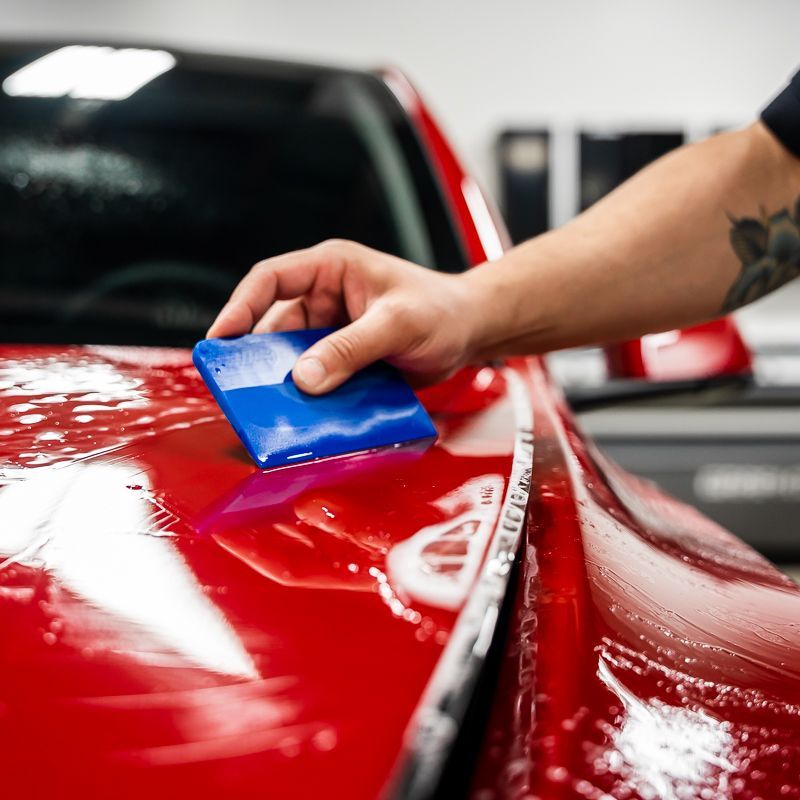
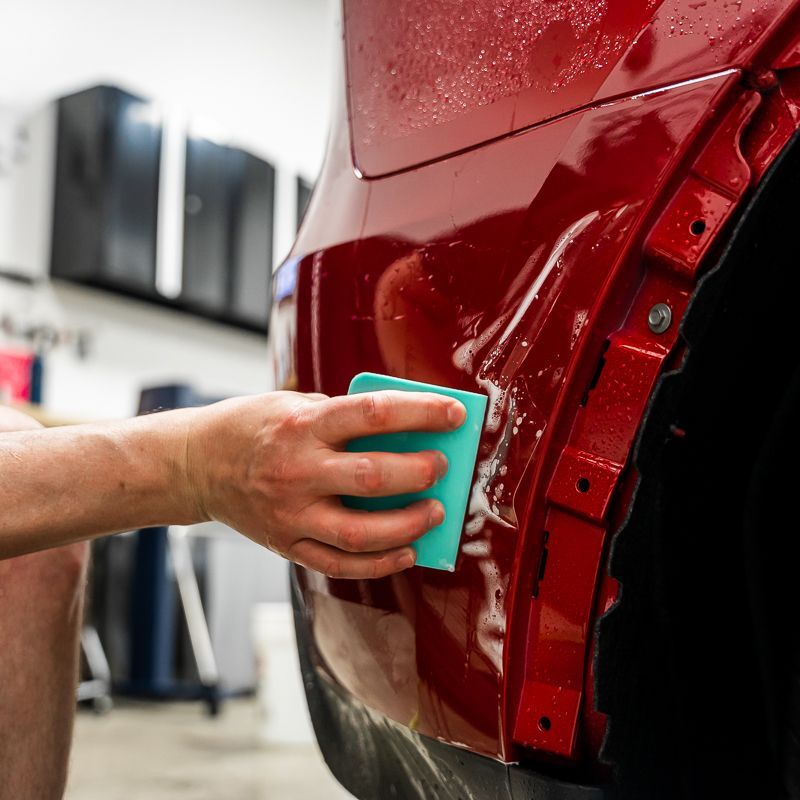
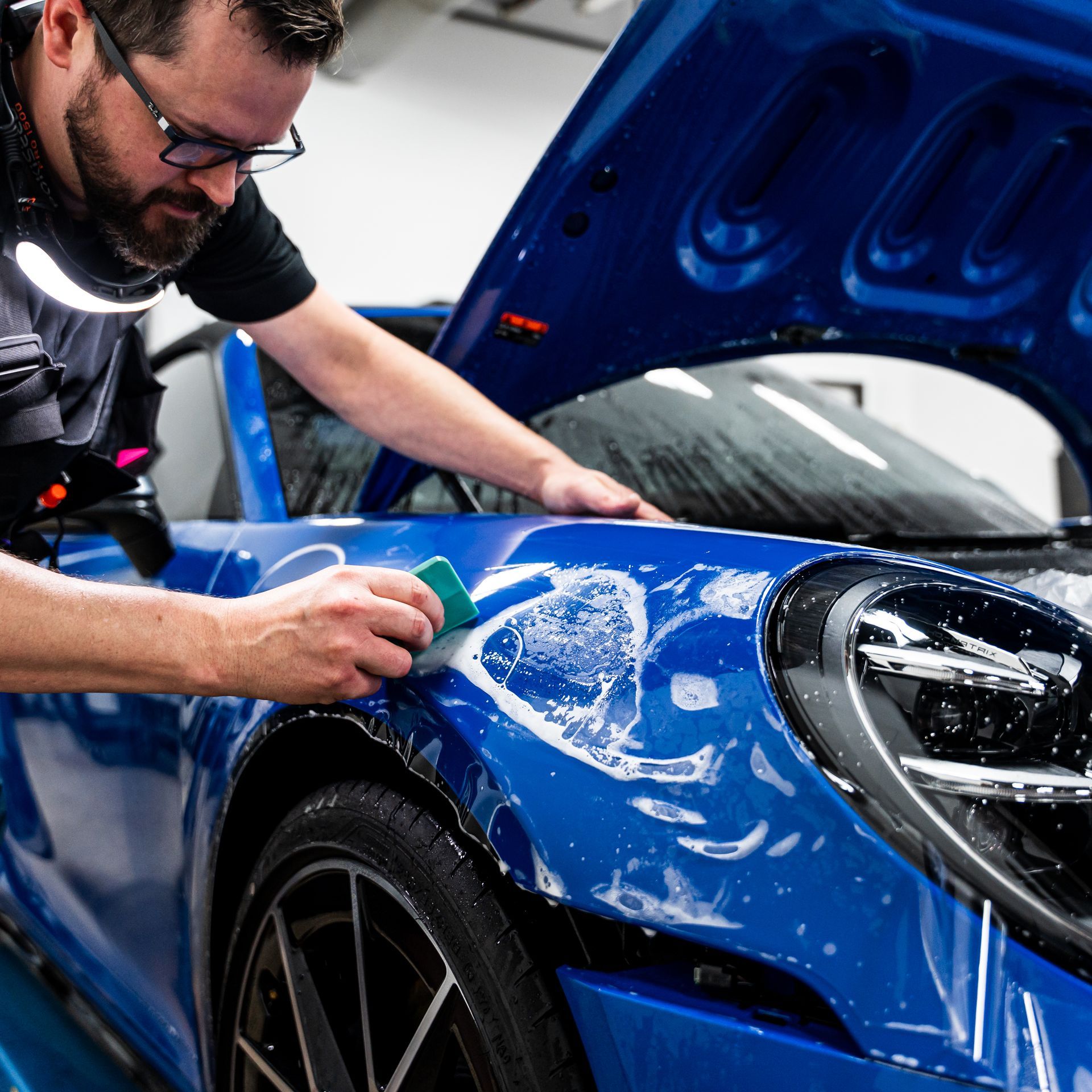
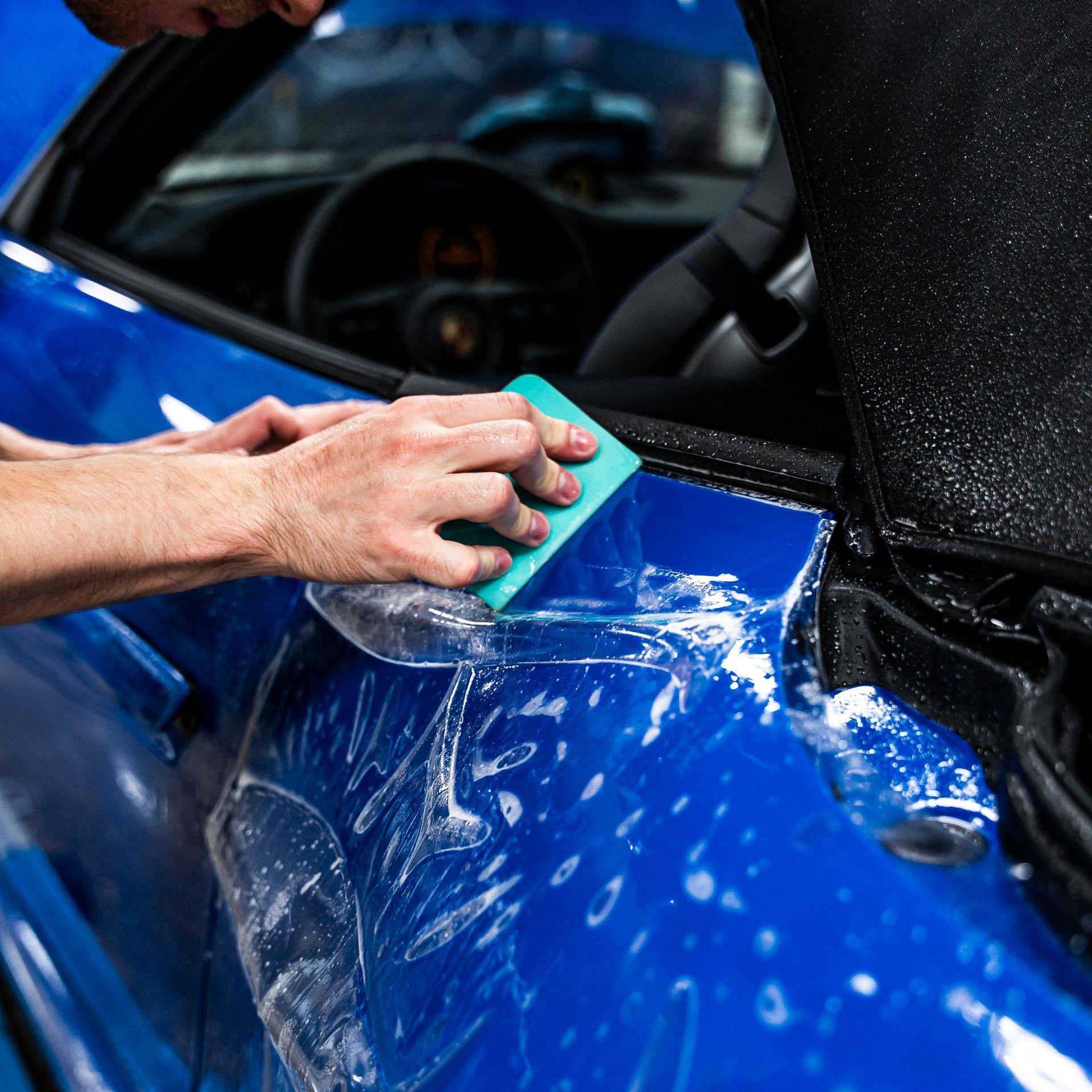
When installing PPF, it's best practice to work in controlled environments. This prevents premature adhesive activation and allows installers to position the film without stress or distortion. Using the wet application method, spraying a soap-water solution on the adhesive side gives installers the flexibility needed to smooth out bubbles and align the film perfectly before it bonds permanently. Modern films can comfortably contour around curves and recesses found on side mirrors, fenders, and custom body kits without wrinkling or creating unsightly bubbles. Achieving these characteristics requires not only sophisticated film chemistry but also precise installation technique using squeegees and heat guns alongside careful tension control during application. In every case, from rugged panels to refined accents, selecting a high-quality PPF engineered for the substrate's physical and thermal properties sets the stage for durability and satisfaction. Combining such qualities with professional installation methods ensures the film not only looks flawless but also performs reliably under demanding conditions.
PPF Solutions Designed for Littleton, CO Driving
Protect your vehicle’s finish with Denver Auto Shield, offering
expertly installed paint protection film services
in Littleton, CO. Our precision-cut PPF solutions are designed to provide consistent coverage on high-impact areas while maintaining your vehicle’s original appearance and clean lines. With careful surface preparation and professional installation techniques, our team delivers smooth, seamless results that support long-term exterior preservation through everyday driving conditions. Whether you choose targeted coverage or a more comprehensive PPF package, Denver Auto Shield provides dependable protection tailored to how you drive.
Schedule your paint protection film service today
and keep your vehicle confidently protected on Littleton roads!