Can Damaged Window Tint Be Repaired or Does It Need Full Replacement?
Window tint that once made your car look sharp can quickly turn into an eyesore when it starts to bubble, peel, or fade to a purple haze. If you are dealing with this problem, you are probably wondering whether damaged window tint repair is realistic or whether the whole film has to come off. The honest answer depends on the type and spread of the damage. This guide walks Englewood, CO drivers through the most common kinds of tint failure, the few situations where small fixes work, and the signs that replacement is the smarter choice, especially with Colorado’s intense sun and sharp temperature swings.
Can Damaged Window Tint Actually Be Repaired?
Damaged window tint repair is sometimes possible, but the options are far more limited than most drivers expect. Tint film is a thin, layered product held to the glass by an adhesive, so once the layers or the bond begin to fail, there is rarely a clean way to patch the problem. The cause and the extent of the damage decide the outcome, which is why a small flaw may be left alone while widespread wear calls for a fresh start. The sections below break down each type of damage so you can judge what your windows actually need.
Common Types of Window Tint Damage
Not every tint problem looks the same, and knowing what you are seeing makes it much easier to decide on a solution. Most issues fall into a few familiar categories that show up on cars of every age, from light surface wear to a bond that is giving way. Understanding where each problem starts and why it happens helps you spot trouble early, before a minor flaw turns into a window that needs complete replacement.
Scratches and Surface Wear
Scratches are among the most frequent complaints, and they usually come from seatbelts, keys, pet claws, rough cleaning cloths, or windows that rub against worn seals as they roll. Shallow marks that affect only the outer protective layer are mostly cosmetic and may be barely noticeable from a normal viewing distance. Deeper scratches that cut through the film are another story, because they expose the layers underneath, collect dirt, and tend to grow over time. Since film cannot be buffed or polished like paint, any scratch that catches a fingernail is generally permanent and hard to correct.
Peeling and Edge Lifting
Peeling almost always begins at the edges and corners of the glass, or along the defroster lines on the rear window, where the film has the least support. Constant heat, direct sunlight, and moisture slowly weaken the bond at these points, and lifting can start even sooner when the film was cheap or installed poorly. Once an edge lifts, dust and humidity slip underneath and speed the problem along. A curled corner may seem harmless at first, but it often signals that the adhesive across the entire window is aging and will soon fail elsewhere.
Bubbling and Adhesive Failure
Bubbles appear for two very different reasons, and the difference matters. Small pockets of trapped air, moisture, or contaminants can show up soon after installation and sometimes settle or disappear as the film cures. Bubbles that appear months or years later, keep multiplying, or join into larger blisters point to adhesive failure, meaning the glue is breaking down and can no longer hold the film flat. Heat and sun exposure speed up this breakdown, and once the bond starts to give out across a window, no spot treatment can restore it.
Discoloration: Why Tint Turns Purple or Faded
Discoloration is the classic sign of aging tint, and it usually shows up as a purple, brown, or faded look that no cleaner can fix. At Denver Auto Shield, we often see this happen when years of UV exposure gradually break down the dyes in lower-quality tint films. As the dye fails, the tint loses its rich color, and its ability to block heat and glare drops along with it. Because the color change runs through the film itself, there is no repair that can bring it back, and the window ends up looking uneven next to any newer film.
When Minor Window Tint Issues May Be Manageable
Although most serious tint damage calls for replacement, a handful of small problems can be handled without redoing every window. The key is catching them early and being realistic about what a fix can accomplish. Understanding which flaws are safe to leave alone, which can be corrected by a professional, and which repairs rarely last will save you time and money while protecting the look of your vehicle.
Small Scratches and Isolated Bubbles
A few light scratches or a single small bubble that appears right after installation can sometimes be left alone, since they often cause no real harm to visibility or performance. Many drivers are tempted to poke a bubble with a needle and press it flat with a squeegee, but this do-it-yourself approach is risky. A tiny hole can let in moisture, leave a visible mark, or make the problem worse, and it does nothing if the cause is failing adhesive. When in doubt, having a professional look at it first is the safer choice.
Small Edge Lifts Caught Early
When a small section of film lifts at an edge, and the rest of the window still looks healthy, a trained technician may be able to re-adhere that spot. The sooner this is done, the better the result, because the film is still clean and flexible and dirt has not yet worked its way underneath. Waiting allows the lifted area to curl, collect debris, and spread, which turns a quick correction into a larger problem. Prompt attention is the best way to prevent further peeling and extend the life of the tint.
Why Spot Repairs Often Fall Short
Even when a spot repair looks possible, it frequently disappoints. Patching a section usually leaves a visible seam or a slightly different shade, because new film will not match tint that has already faded or aged. If the adhesive across the window is old and weakening, the repaired area may fail again within a short time, leaving you paying twice for the same issue. For many drivers, a spot fix delivers only a temporary improvement, which is why professionals often recommend replacing the film when the surrounding tint is already worn.
Signs You Need Full Window Tint Replacement
Several warning signs tell you it is time to replace the film rather than keep patching it. Widespread bubbling, peeling that keeps spreading, or purple discoloration across a window all point to a product that has reached the end of its life. At Denver Auto Shield, we recommend considering full replacement when visibility becomes hazy or distorted, or when the tint no longer provides the heat and UV protection it once did. If several windows are affected, or the tint is older than its expected lifespan, full replacement is almost always the better route.
How Professionals Remove Old Tint and Install New Film
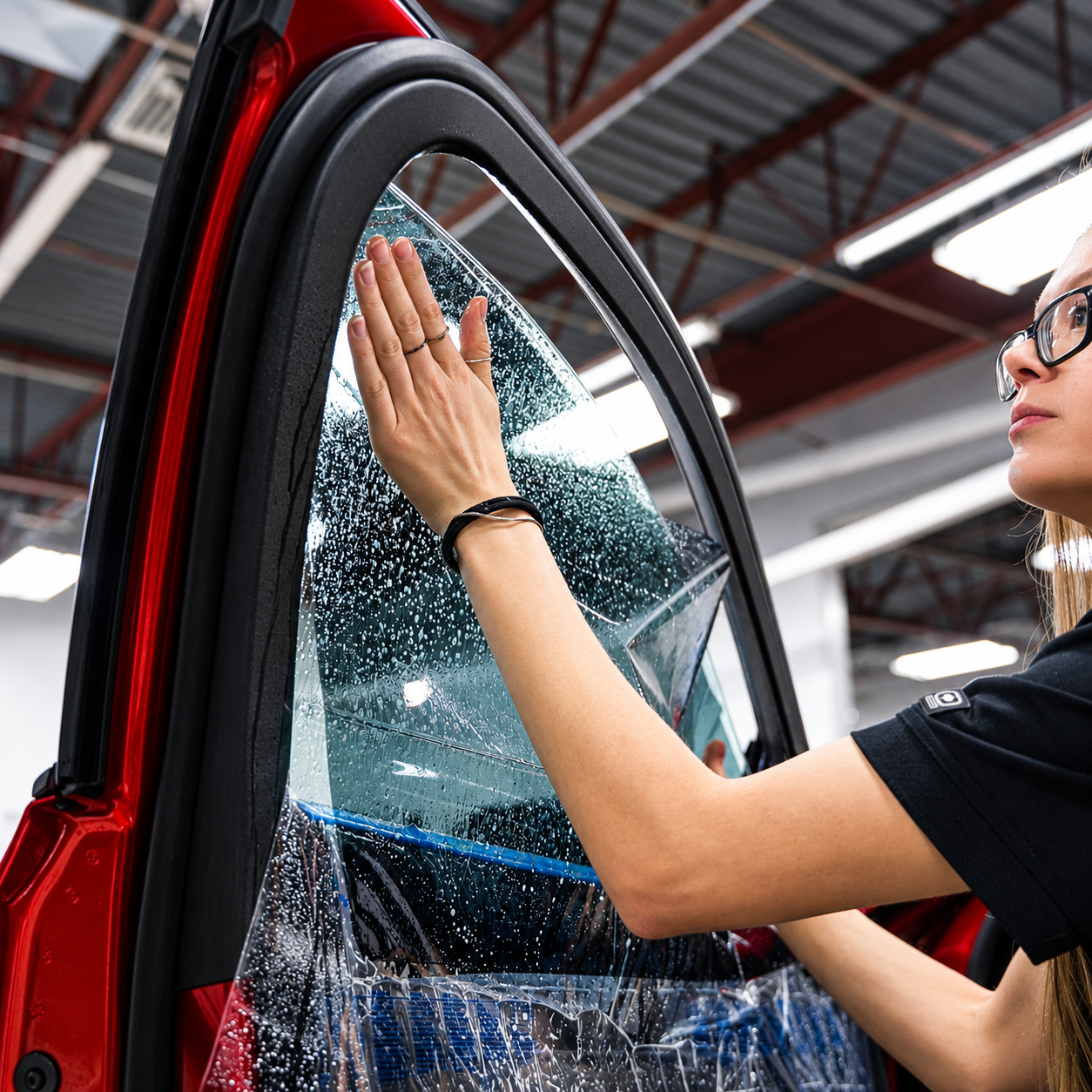
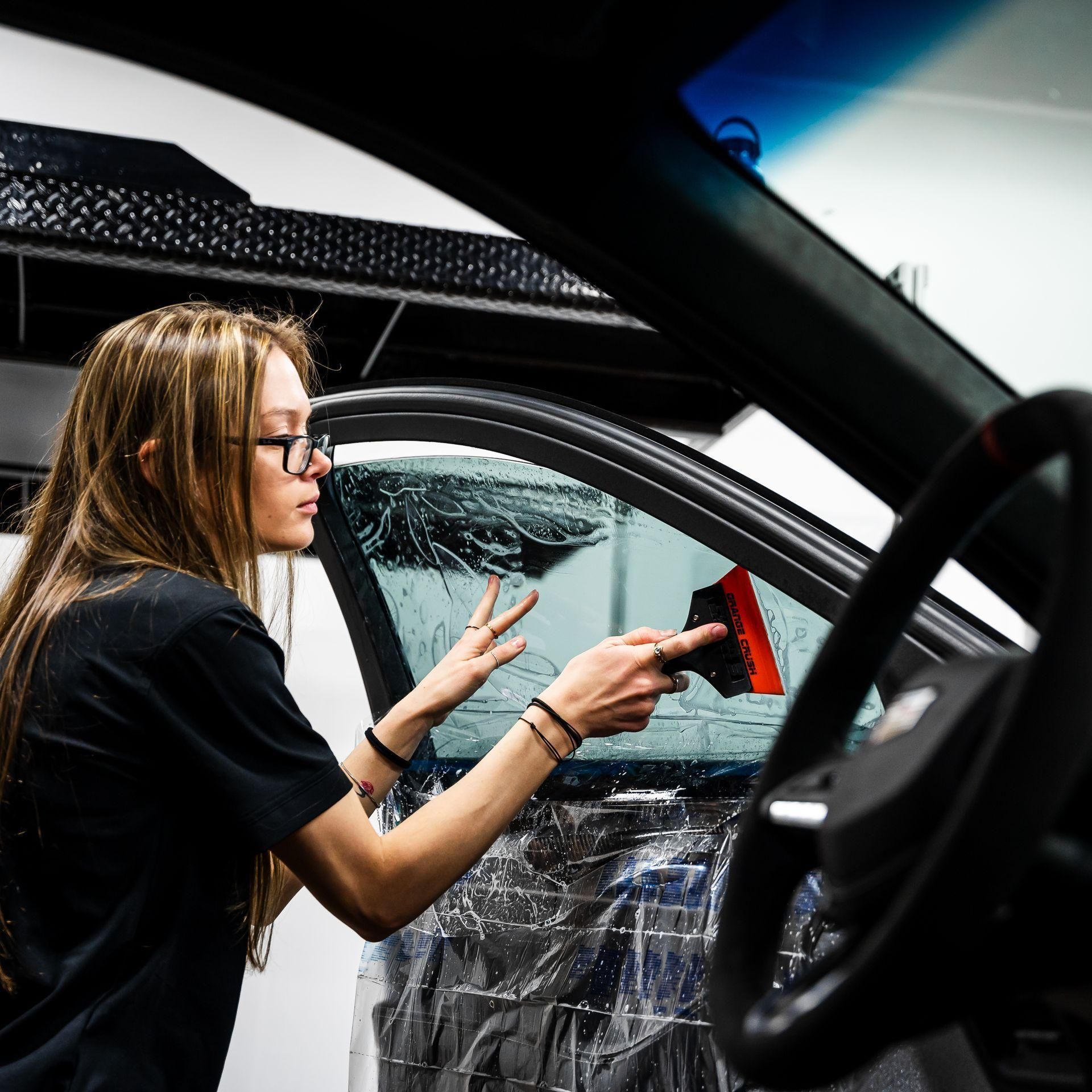
Replacing tint properly starts with removing the old film, and this step is where professional experience matters most. Technicians carefully peel away the damaged layers and clear all the leftover adhesive without scratching the glass or harming the delicate defroster lines on the rear window. After the glass is thoroughly cleaned and prepared, fresh film is applied with precision so it lies flat and bonds evenly. Professional window tint installation helps ensure a smooth, even finish with proper adhesion, long-lasting performance, and a clean appearance. Rushing or using the wrong tools can leave residue or damage, which is why professional removal and installation protect both your glass and your results.
Repair vs. Replacement: Cost and Value Considerations
It is easy to be drawn toward a cheap, quick fix, but inexpensive repairs often fail soon after and end up costing more than doing the job properly once. Fresh, high-quality film installed by professionals delivers lasting value, since it offers better durability and the chance of warranty coverage that older, patched tint simply cannot provide. Replacement also restores everything you expect from tint, including a clean appearance, added privacy, reduced heat, and protection from harmful UV rays. When you weigh the long-term benefits, replacement is typically the smarter investment for damaged window tint.
Colorado Legal Considerations for Replacement Tint
When you replace damaged film, it is important to keep Colorado’s window tint regulations in mind, since the rules limit how dark the film can be on certain windows, especially at the front of the vehicle. Choosing a shade without checking the law can lead to problems down the road, including potential tickets or the need to redo the work. At Denver Auto Shield, we help drivers choose window tint options that align with Colorado requirements while still providing the appearance, comfort, and protection they want from their vehicle.
Preventing Future Window Tint Damage
Once you have fresh tint, a few simple habits can help it last far longer. Start by choosing quality film and professional installation, then give the film its full curing time before rolling the windows down. Clean the glass using ammonia-free products and soft microfiber cloths, because harsh chemicals and rough materials can weaken the film and cause scratches. In Colorado’s strong sun, parking in the shade or using a sunshade also reduces heat stress on the adhesive, helping your tint stay clear, smooth, and attractive for years.
Get Expert Help With Damaged Window Tint in Englewood, CO
Damaged window tint repair can work for very small, early problems, but widespread bubbling, peeling, discoloration, or adhesive failure usually means replacement is the only lasting answer. If you are unsure which category your windows fall into, a professional inspection will give you a clear and honest answer. Drivers in Englewood, CO can turn to Denver Auto Shield window tinting for expert guidance, quality film, and careful installation.
Contact us today to schedule a professional window tint inspection and find the right solution for your vehicle.