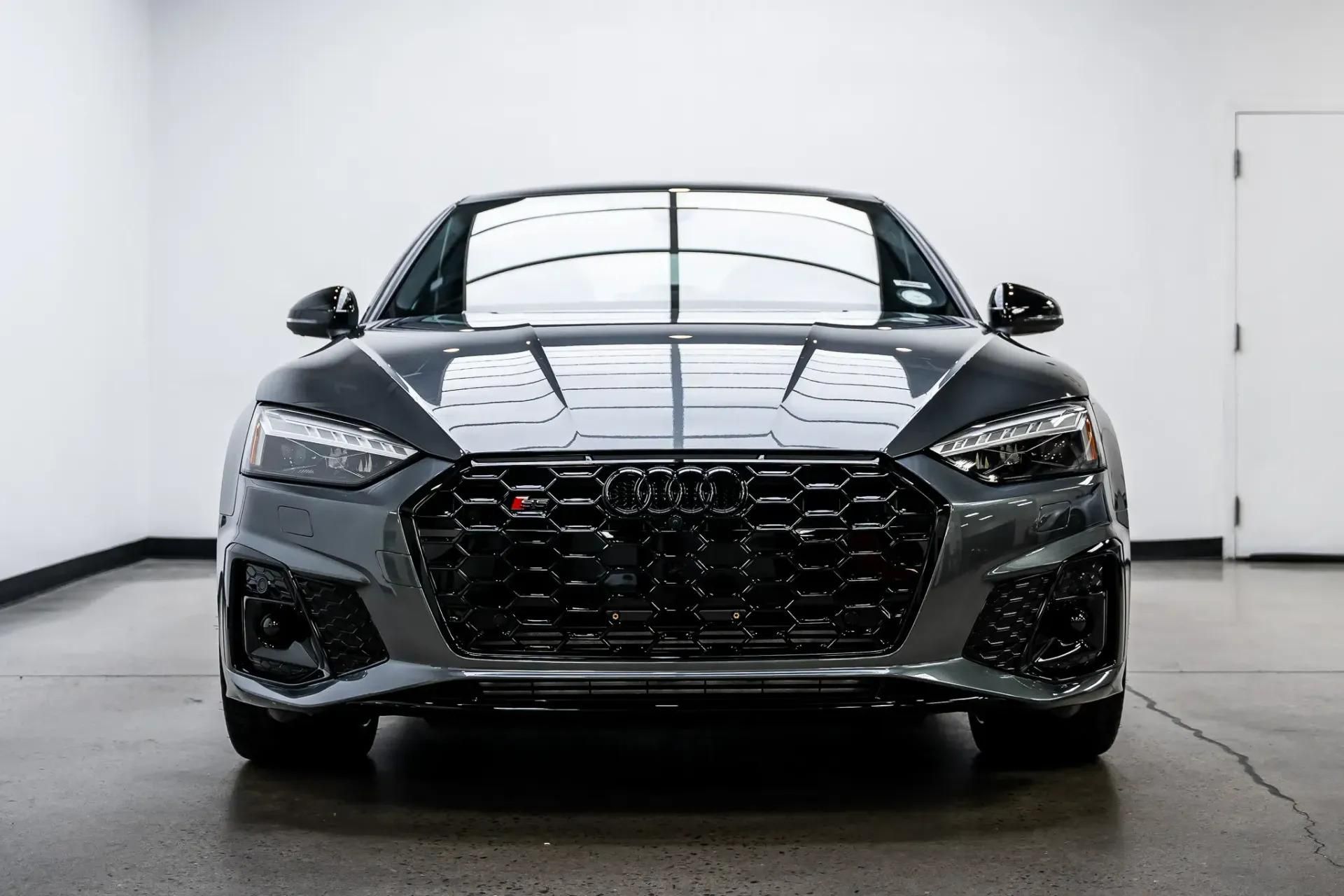
What Exactly Happens to a Ceramic Coating at the End of Its Lifespan?
Every ceramic coating, no matter how advanced or professionally applied, eventually reaches a point where it can no longer perform the way it once did. For vehicle owners in Englewood, CO, where intense sun exposure, winter road salt, and constant temperature swings are part of daily driving life, understanding this decline is essential to protecting your paint long-term. At Denver Auto Shield, we regularly inspect vehicles showing early signs of coating fatigue, and most owners are surprised by how gradual the process really is. This article breaks down the ceramic coating lifespan degradation signs to watch for, why they happen, and what actually restores protection once a coating starts to fail.
How a Ceramic Coating Breaks Down Over Time
A ceramic coating works by forming a thin, semi-permanent layer of protection that bonds to your vehicle's clear coat, creating a barrier against contaminants, moisture, and UV exposure. Over months and years, this bonded layer doesn't fail all at once; instead, it thins gradually as microscopic layers wear away from constant exposure to the elements. Every wash, every mile driven, and every hour spent parked under the Colorado sun chips away slightly at the coating's structure, and because this happens so slowly, many drivers don't notice the change until protection is already compromised. Recognizing degradation as a process rather than a single event is the first step toward catching it early and knowing when reapplication becomes necessary.
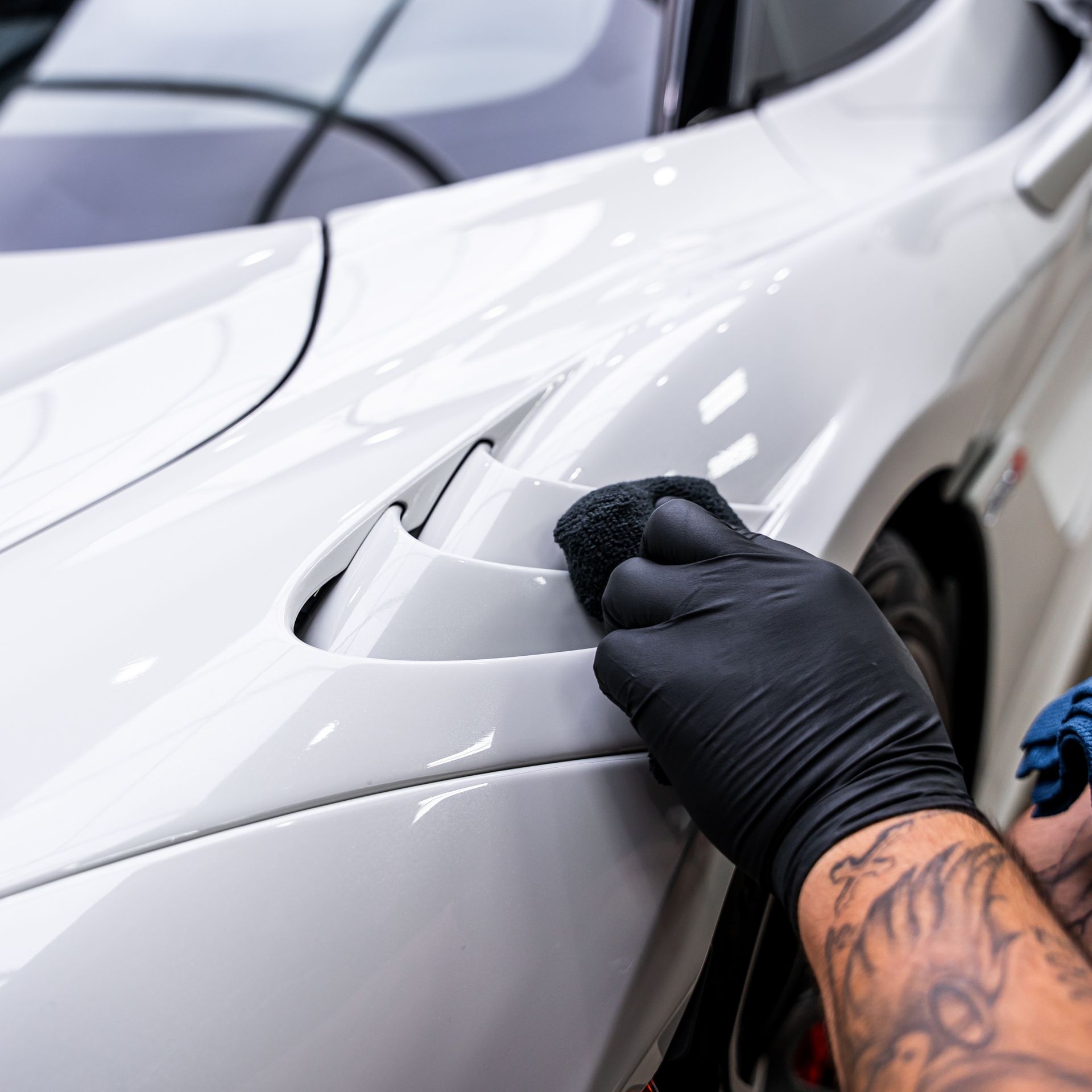
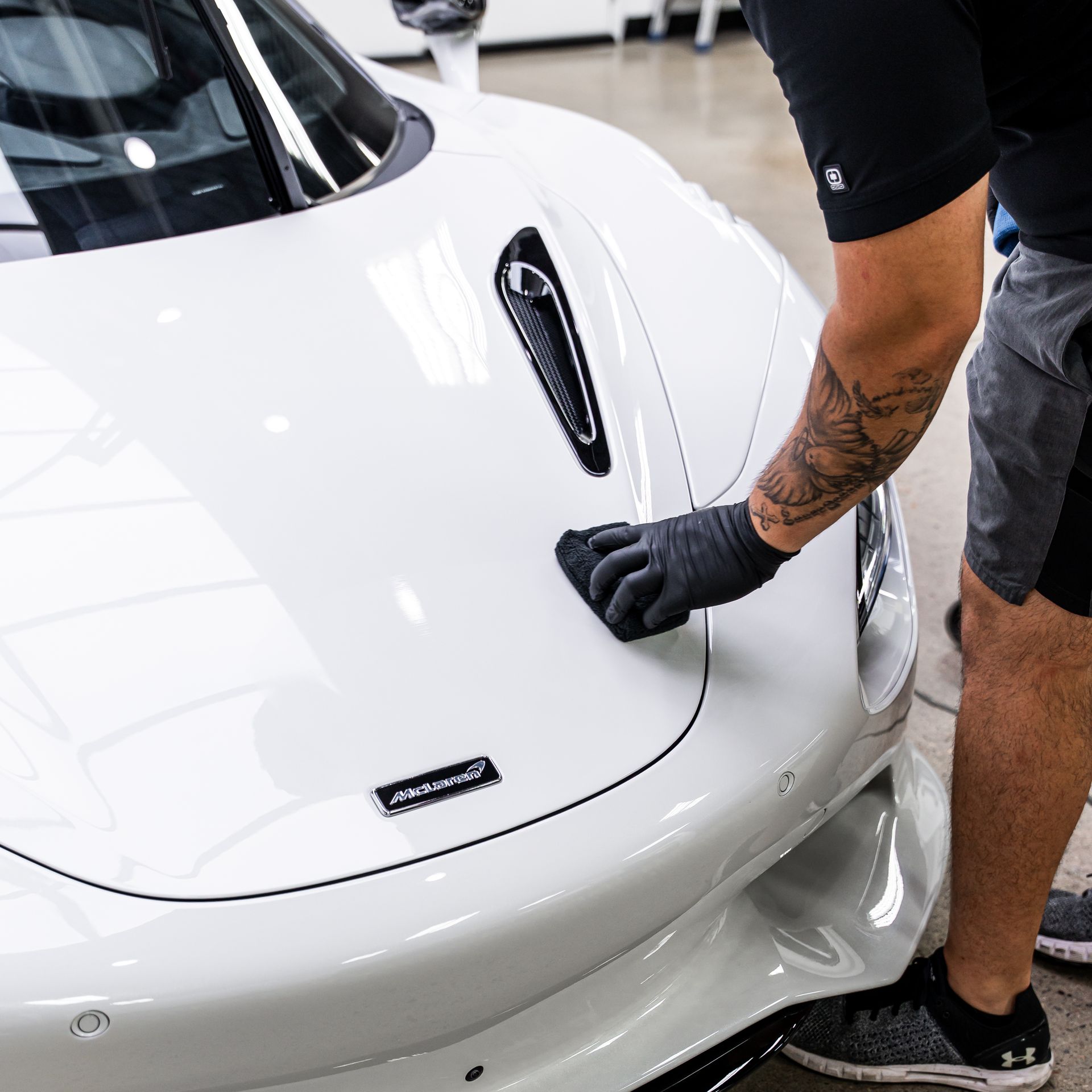
The Environmental Factors That Speed Up Coating Degradation
Where you live and how your vehicle is exposed to the outdoors play a bigger role in coating longevity than most owners realize. Englewood's combination of high-altitude sunlight, seasonal road treatments, and fluctuating temperatures creates a demanding environment for any protective layer. The following factors are the ones most responsible for accelerating coating breakdown on vehicles we service across the Denver metro area.
UV Radiation and Sun Exposure
Colorado's elevation means UV exposure is significantly more intense than in many other parts of the country, and this constant radiation slowly breaks down the chemical bonds that hold a ceramic coating together. Over time, UV rays degrade the coating's resin structure, causing it to lose flexibility and its ability to repel water and contaminants effectively. Vehicles that spend long hours parked outdoors without covered protection tend to show UV-related degradation faster than those garaged regularly, which is one reason coatings in sunny, high-altitude regions like Englewood often need attention sooner than manufacturer estimates suggest. Even a coating rated for several years of protection can wear faster if sun exposure isn't factored into the maintenance schedule.
Road Salt, Chemical Contaminants, and Pollutants
Winters in the Denver area bring heavy use of de-icing salts and chemical treatments on roadways, and these substances are particularly harsh on a ceramic coating's surface chemistry. When salt, brake dust, tree sap, and bird droppings sit on a coated surface for extended periods, they begin to eat away at the protective layer, weakening its hydrophobic properties and leaving the paint beneath more vulnerable. Industrial fallout and airborne pollutants add another layer of chemical stress for vehicles regularly driven on highways or parked near construction zones, and left untreated, these contaminants bond to the coating and gradually break down its ability to repel water and resist staining. Timely washing after exposure to road treatments remains one of the simplest ways to slow this process.
Temperature Fluctuations and Weather Cycles
The freeze-thaw cycles that define a typical Colorado winter place ongoing physical stress on a ceramic coating, causing it to expand and contract repeatedly as temperatures shift throughout the day. This constant movement can create microscopic stress points, making the coating more susceptible to cracking or thinning over time, and the dramatic swings between hot summer afternoons and cool evenings mean the coating is essentially tested by extreme conditions year-round. Vehicles that experience frequent temperature swings without additional protective measures tend to show wear earlier than those in more temperate climates, which helps explain why coating lifespan can vary so much from one region to another even with identical products.
How Improper Maintenance Accelerates Coating Failure
Even the most durable ceramic coating can degrade prematurely if it isn't cared for properly, and maintenance habits are often the biggest factor within an owner's control. At Denver Auto Shield, improper washing accounts for a significant share of the early coating failures we inspect, and the three habits below are the most common culprits.
Using the Wrong Wash Products or Techniques
Harsh detergents, dish soaps, and other non-pH-balanced cleaning products strip away the protective oils and bonding agents that keep a ceramic coating performing at its best. Automatic car washes with abrasive brushes are another major contributor, as the rough bristles create fine scratches across the coated surface with every pass, and these micro-scratches accumulate over time, dulling the gloss and compromising the smooth surface that allows water to bead and roll off effectively. Using the wrong wash mitt or towel material has a similar effect, introducing friction that slowly erodes the coating. Choosing coating-safe products and gentle hand-wash techniques remains one of the most effective ways to preserve a professional application.
Infrequent Washing and Contaminant Buildup
Skipping regular washes allows dirt, pollen, road grime, and other contaminants to sit on the coated surface far longer than they should, giving them more time to bond chemically with the coating. The longer these particles remain, the more difficult they become to remove without aggressive cleaning methods that can further damage the surface, and this buildup also masks early warning signs, since a dirty coating can hide reduced water beading or dulling gloss until the problem has progressed significantly. Vehicles washed on a consistent schedule retain their hydrophobic performance far longer than those left exposed to accumulated grime for weeks at a time, since regular washing is a direct factor in how long the underlying protection actually lasts.
Skipping Maintenance Top-Ups or Boosters
Many ceramic coatings benefit from periodic maintenance sprays or booster treatments that replenish the surface's hydrophobic properties between full reapplications. Owners who skip these top-ups often see a faster decline in performance, since the coating is left to fend off environmental stress entirely on its own, and while these products aren't a replacement for the original coating, they do help extend its effective lifespan by reinforcing the surface layer. Without this ongoing support, contaminants and UV exposure take a greater toll on the coating between professional services, so building a simple routine, even a quick booster application every few months, can meaningfully delay full reapplication.
Warning Signs Your Ceramic Coating Is Failing
Recognizing the early indicators of coating failure allows you to address the issue before your paint is left unprotected. The most noticeable warning sign is a change in how water behaves on the surface, with tight, rounded beads gradually giving way to flatter, sheeting water that no longer rolls off cleanly; alongside this, dirt and grime tend to cling to the surface more stubbornly, requiring extra effort during washes to achieve the same clean result. A once-vibrant gloss can also start to look flat or hazy even after a thorough wash, and in more advanced stages the surface may feel slightly rough to the touch, with fine swirl marks becoming more visible under direct light. These ceramic coating lifespan degradation signs rarely appear all at once, which is why routine inspection matters so much for long-term protection.
Why Reapplication or Correction Becomes Necessary
Once a ceramic coating has degraded significantly, the paint underneath loses its primary line of defense against oxidation, UV damage, and chemical staining. Without that protective barrier, clear coat can begin to dull, fade, or develop etching from contaminants that would otherwise have been repelled. In some cases, a simple maintenance top-up restores lost performance, but more advanced degradation typically calls for full paint correction followed by a fresh coating application, since correction addresses swirl marks or light oxidation that accumulated while the original coating was breaking down, ensuring the new application bonds to a clean, properly prepped surface. At Denver Auto Shield, our inspections in Englewood help owners determine which stage their coating is in, so they choose the right service rather than guessing. Professional ceramic coating installation can restore dependable surface protection after the previous coating has reached the end of its lifespan.
How to Extend the Life of Your Ceramic Coating
While degradation is inevitable over time, the pace at which it happens is largely influenced by day-to-day habits and environmental precautions. Washing with pH-neutral products on a consistent schedule keeps contaminants from bonding to the surface and preserves hydrophobic performance for longer, while avoiding automatic car washes in favor of gentle hand washing reduces physical wear from abrasive brushes. Parking in shaded or covered areas helps limit cumulative UV exposure, particularly important given Englewood's high-altitude sun, and scheduling periodic professional inspections allows small issues to be caught before they turn into bigger paint concerns.
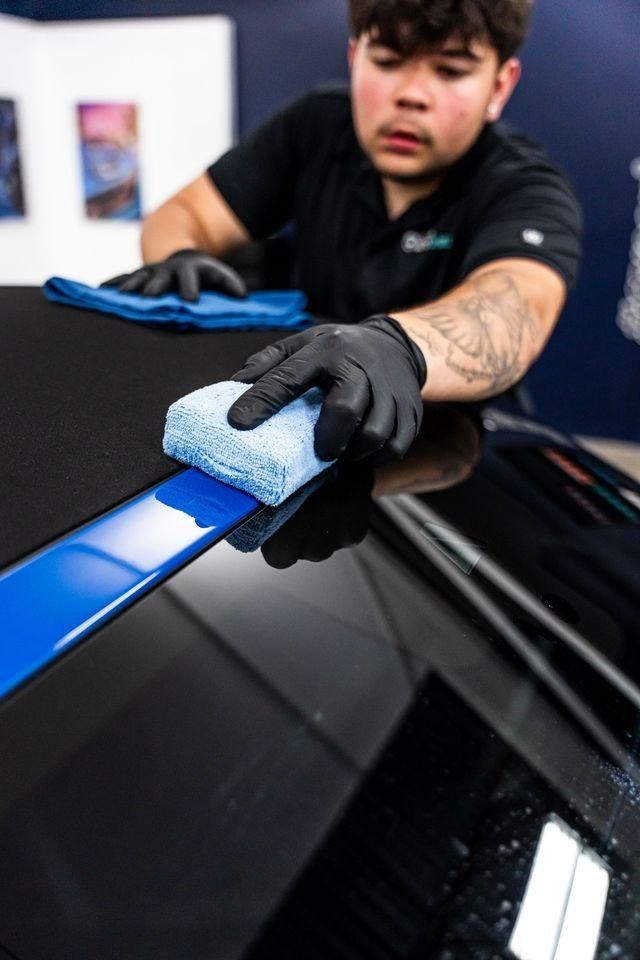
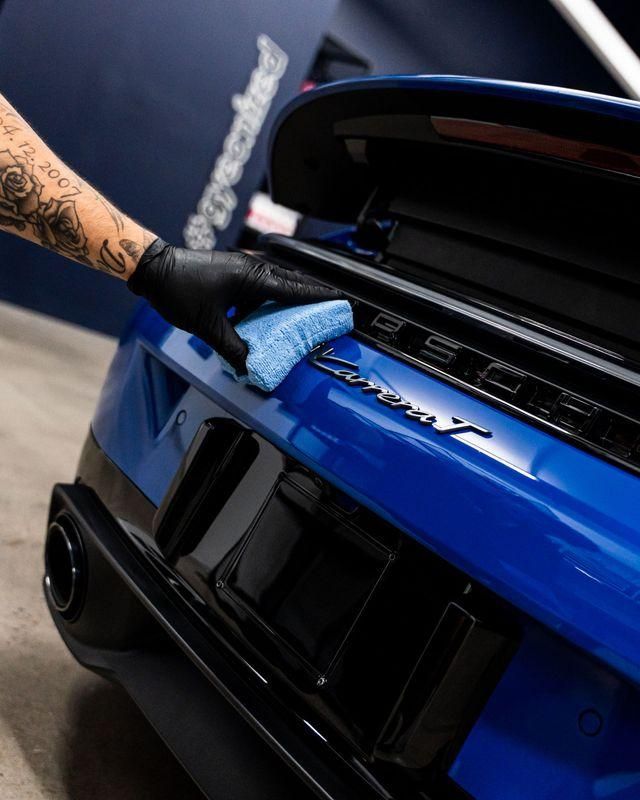
Understanding Ceramic Coating Lifespan and Degradation
How long a ceramic coating actually lasts depends heavily on the product used, the application quality, and the environmental conditions it's exposed to, though most professional-grade coatings are designed to perform for several years under normal use. A degraded coating can sometimes be refreshed with a maintenance booster if caught early, but once hydrophobic performance and gloss have noticeably declined, a full reapplication is usually needed. Climate absolutely affects coating longevity in Colorado, since intense UV exposure, winter road salt, and dramatic temperature swings all place additional stress on the coating, and a visible drop in water beading combined with dull gloss is a reliable sign it's time for an inspection.
Protecting Your Investment Starts With Recognizing the Signs
Ceramic coating degradation is a natural part of ownership, but staying informed about the ceramic coating lifespan degradation signs means you never have to guess when your paint has lost its protection. From UV exposure and road salt to washing habits and temperature swings, every factor discussed here plays a role in how long your coating truly lasts. If your vehicle in Englewood, CO, is showing reduced water beading, dulling gloss, or stubborn dirt buildup,
contact us today to schedule a ceramic coating inspection and determine whether your vehicle needs maintenance or a complete reapplication.