What Is the Difference Between Ceramic Coating and Paint Sealant?
Colorado is tough on a vehicle’s finish. Between the intense high-altitude sun, magnesium chloride on winter roads, and debris kicked up during hail season, paint in Englewood, CO takes more punishment than most drivers realize. That is why so many owners end up comparing ceramic coating vs. paint sealant before deciding how to protect their investment. Both products add a defensive layer over the clear coat, yet they behave very differently once they are on the car. This guide explains how each one works and where they differ in durability, bonding, gloss, water repellency, and maintenance, so you can choose the option that fits your vehicle, budget, and driving habits here in the Denver area.
What Is a Ceramic Coating?
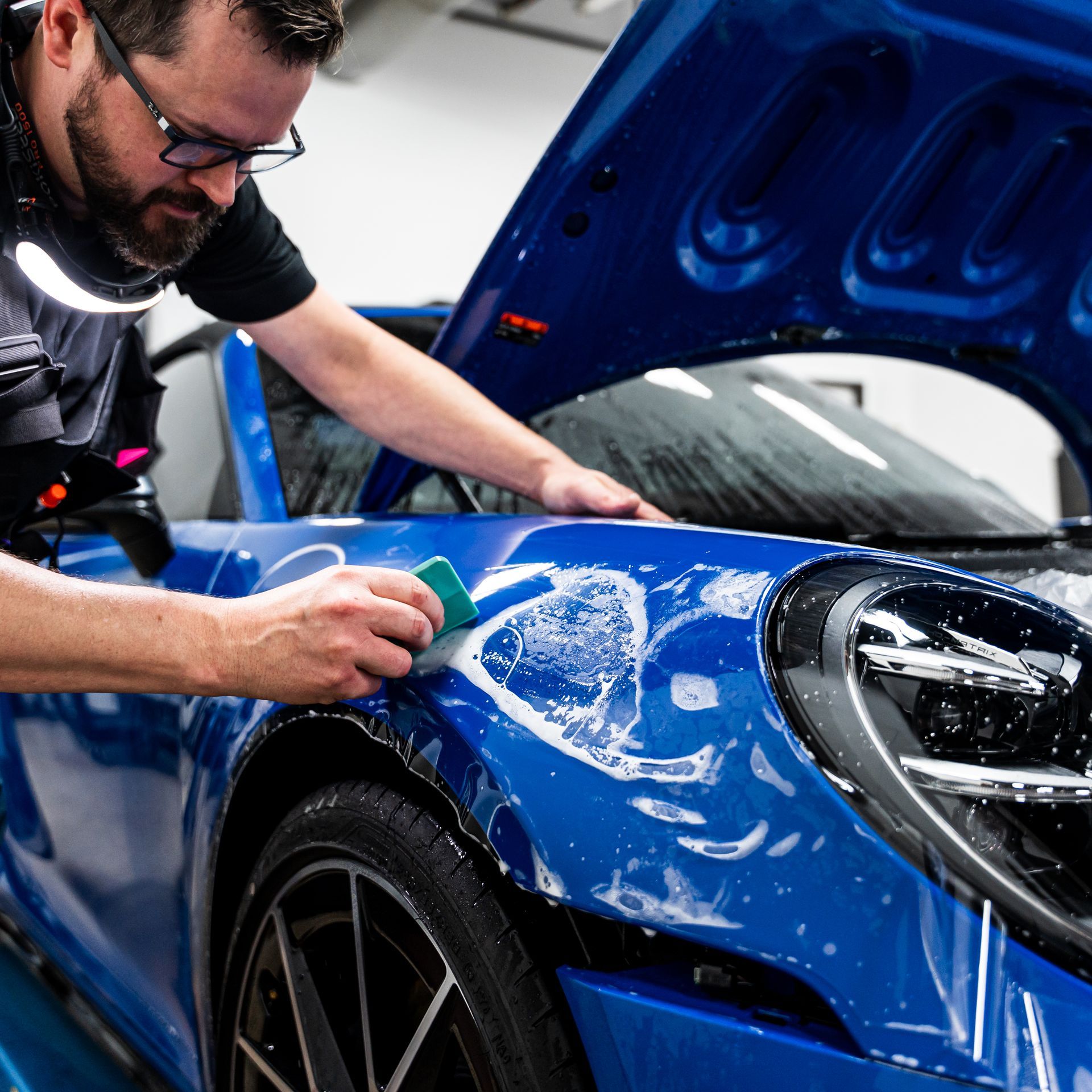
A ceramic coating is a liquid polymer, usually built around silica (SiO₂), that is applied by hand to a vehicle’s paint and cures into a hardened, transparent layer over the clear coat. Unlike products that simply rest on the surface, it is designed to bond with the paint and stay in place for years. The results depend heavily on preparation, which is why the process typically includes a thorough wash, chemical and clay decontamination, and paint correction to remove swirls and light defects before anything is applied. At Denver Auto Shield, drivers across Englewood can choose professional ceramic coating services when they want dependable, long-term protection, since proper preparation and careful application can make a noticeable difference in both performance and longevity.
What Is a Paint Sealant?
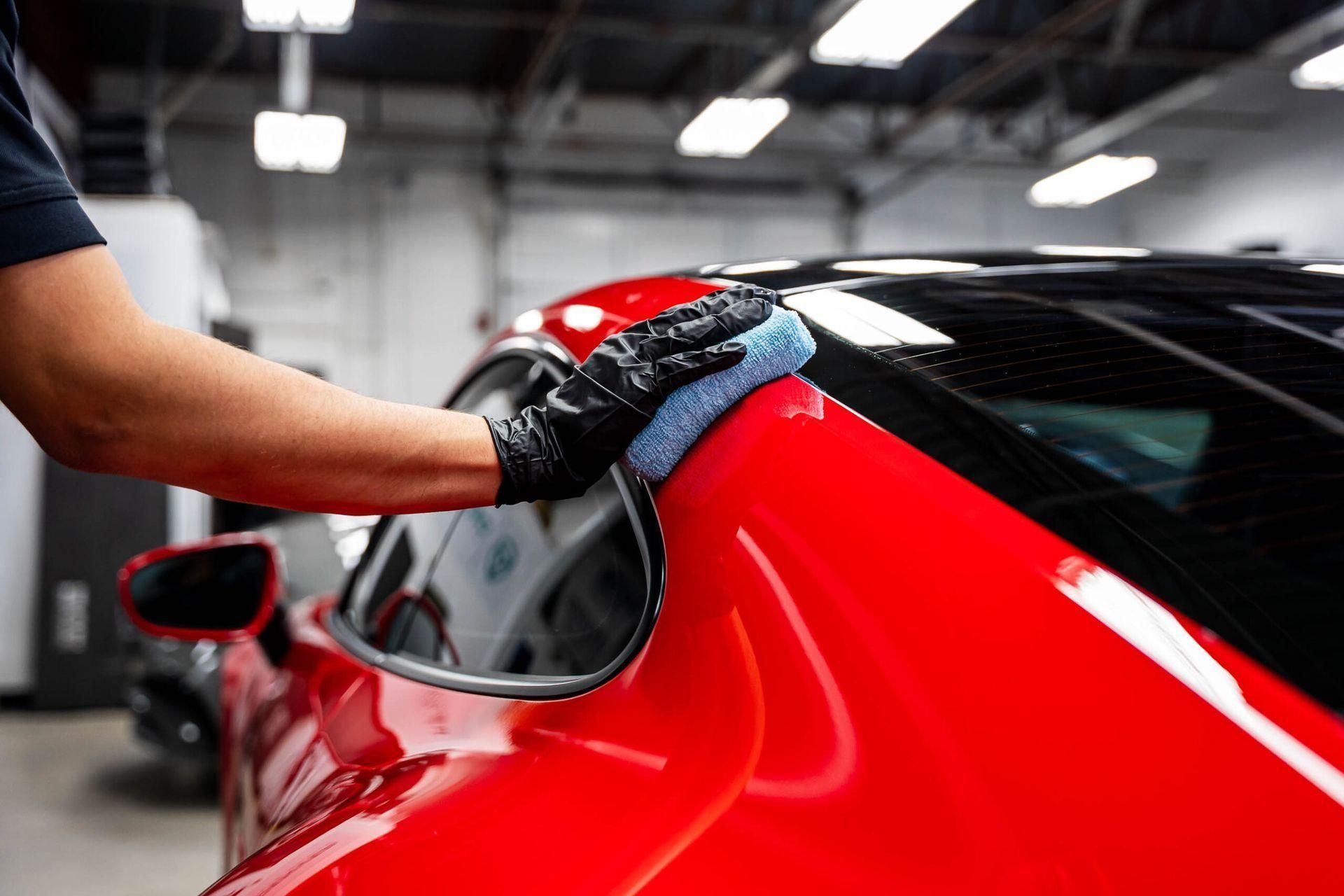
A paint sealant is a synthetic polymer product, usually applied as a thin liquid or paste, that creates a slick, wax-like layer on top of a vehicle’s paint. It does not form a hard shell. Instead, it sits on the surface and fills in microscopic pores to add shine and a modest barrier against dirt and moisture. Because it is simple to spread on and buff off, many car owners treat it as an easy weekend project in their own driveway. That convenience is its biggest strength, but the protection is considered short-term, which means it must be refreshed regularly to keep the paint shielded from sun, grime, and road film.
Ceramic Coating vs Paint Sealant: Key Differences
When people weigh ceramic coating vs paint sealant, the most useful approach is to compare them side by side on the factors that affect real-world paint care. Both products improve appearance and make washing easier, but they are built for different timelines and different levels of protection. The sections below look at how long each one lasts, how it attaches to the paint, and how it looks and repels water, so Englewood drivers can see exactly where the gap between them lies.
Durability and Longevity
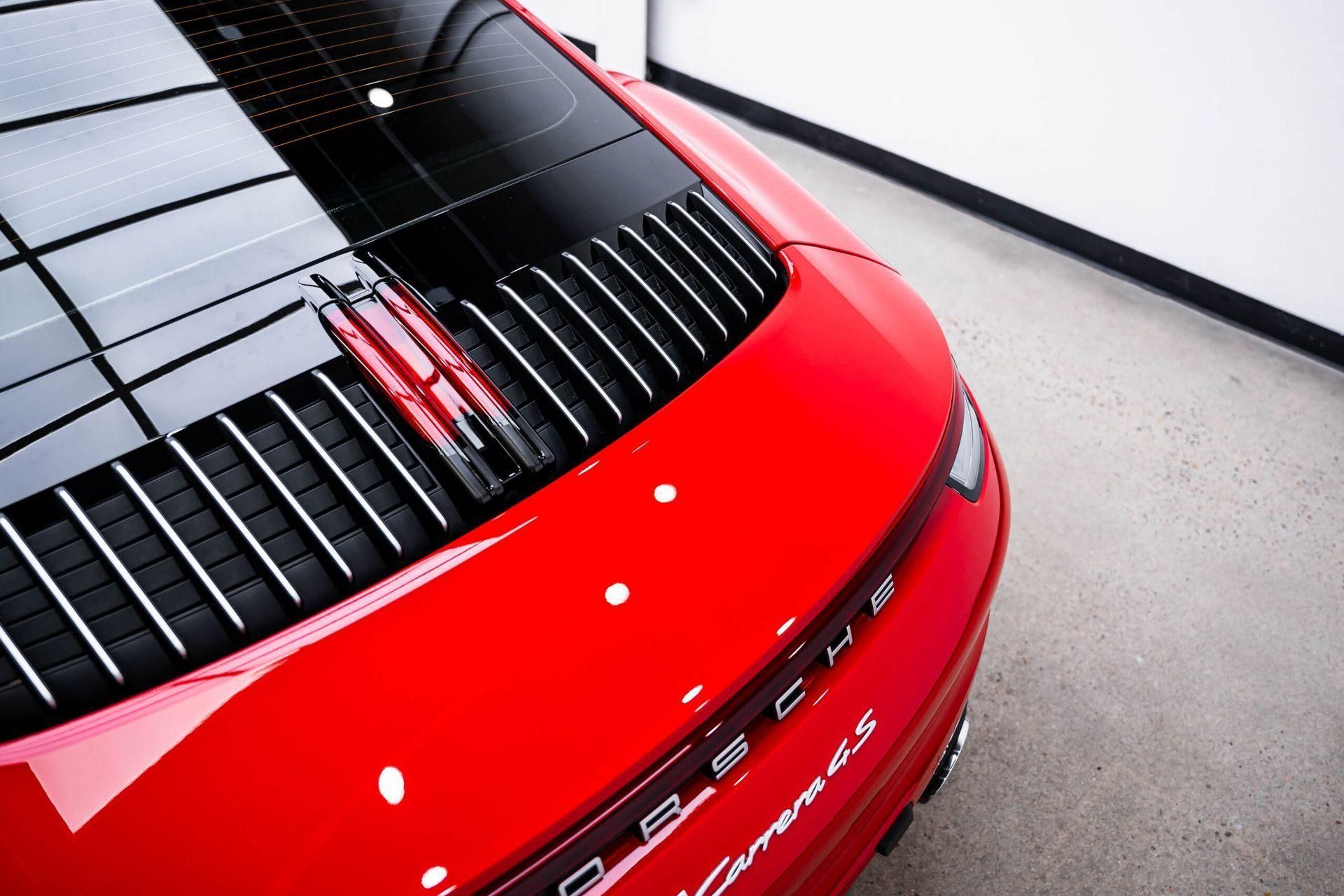
Durability is where the two products separate most clearly. A quality ceramic coating can protect paint for several years, depending on the product, the quality of the application, and how well the vehicle is maintained afterward. Over that time, it helps resist ultraviolet rays that fade and oxidize paint, along with bird droppings, tree sap, road salt, and many chemical contaminants. A paint sealant, on the other hand, typically lasts only a few months before it begins to wear thin under washing, weather, and traffic film. For a daily driver in Englewood that faces strong sun and winter road treatments, that difference can mean far fewer gaps in protection throughout the year.
Surface Bonding and Protection
The way each product attaches to the paint explains much of the difference in durability. A ceramic coating forms a semi-permanent chemical bond with the clear coat, creating a hardened layer that does not wash away with ordinary soap and water. Professional ceramic coating installation helps ensure the product bonds evenly and forms a consistent protective layer across the painted surfaces. A paint sealant bonds far more weakly, resting on the surface and breaking down gradually as it is exposed to heat, detergents, and friction. This stronger bond gives ceramic coating better resistance to light abrasion and chemical staining, though it is important to be realistic. Neither product makes paint scratch-proof, and a coating will not stop a rock chip or a deep scratch, but it does add a tougher barrier than any sealant can provide.
Gloss and Water-Repellent Performance
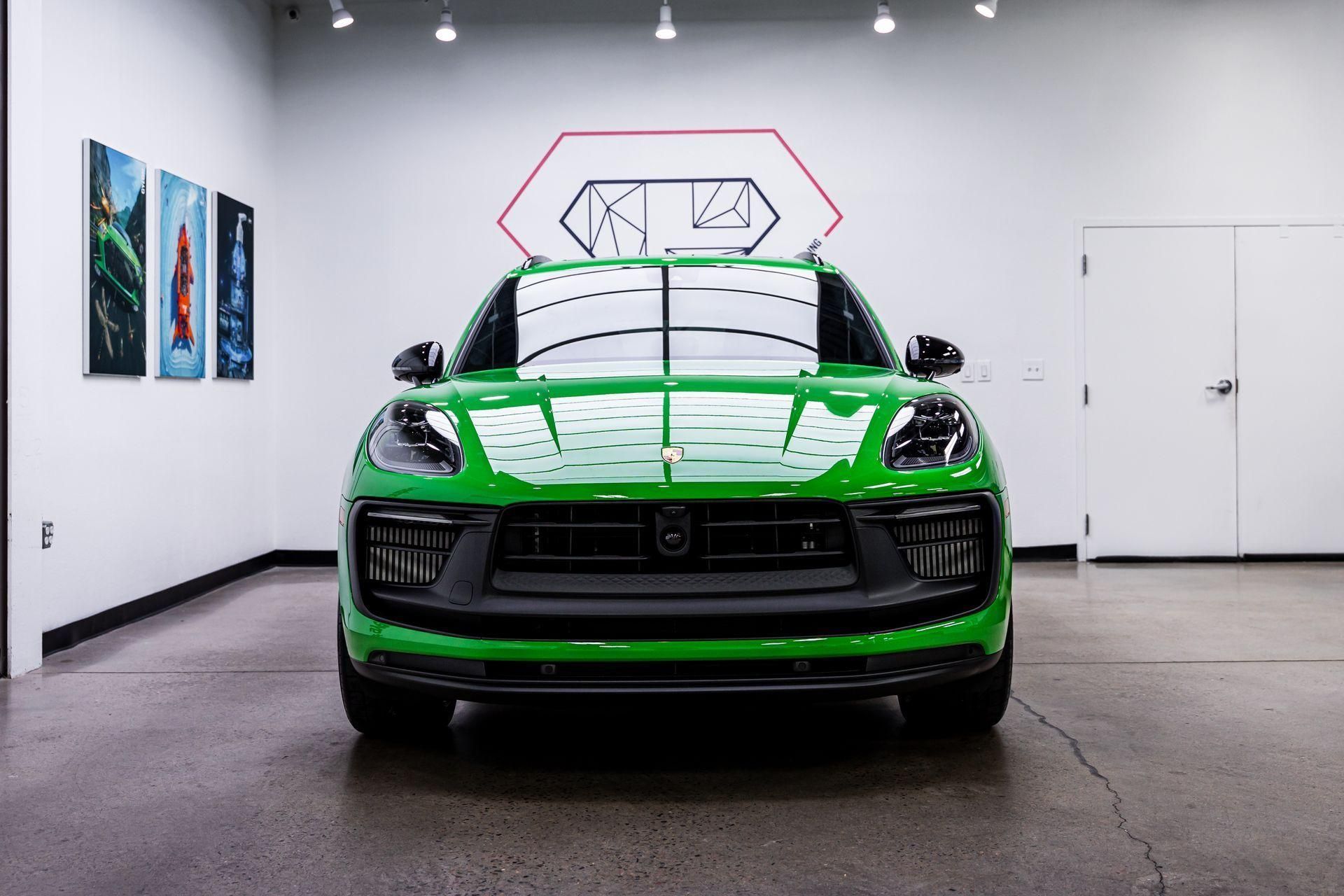
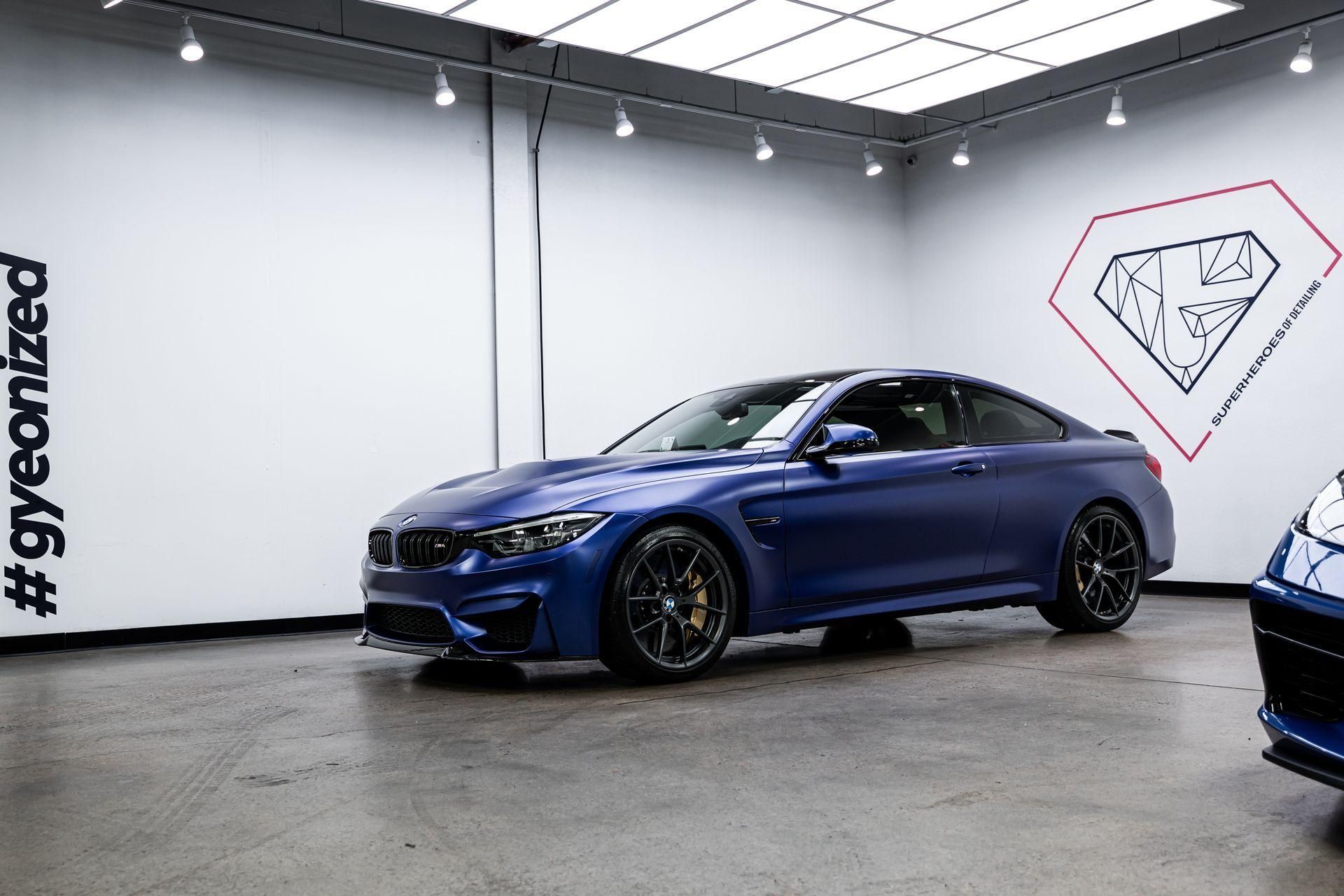
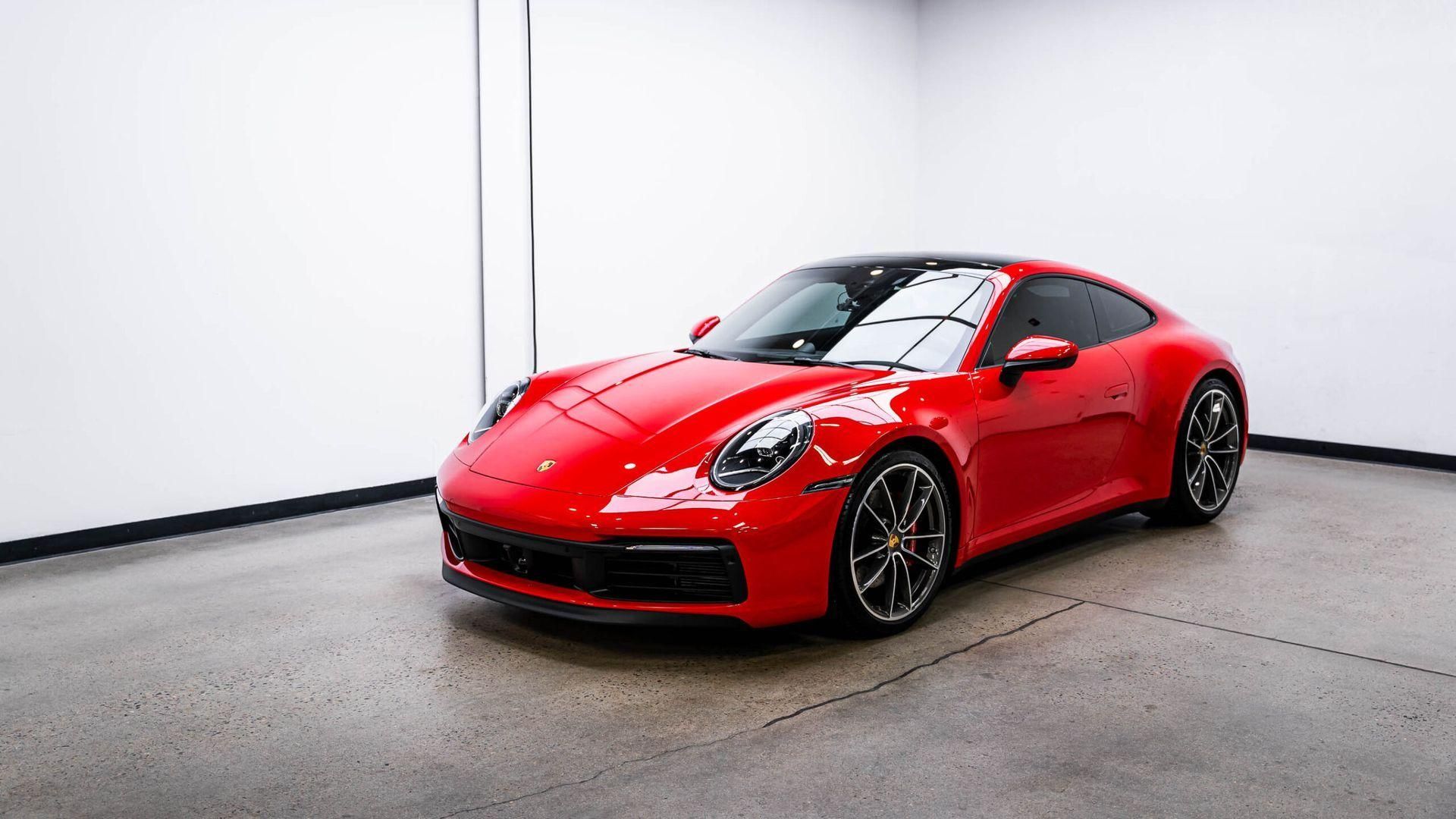
Both products can make a car look sharp, but the character of the finish is different. At Denver Auto Shield, ceramic coating is a popular choice for drivers who want a deep, glass-like gloss that stays consistent for years, along with strong hydrophobic behavior that causes water to bead tightly and sheet off the panels. That slickness also creates a self-cleaning effect, since dirt and dust have a harder time clinging to the surface and rinse away more easily. A paint sealant offers a good shine and decent water beading, particularly right after application, but those qualities fade faster as the layer thins. For drivers who want a lasting showroom look between washes, ceramic coating clearly has the advantage.
How Maintenance Differs Between the Two
Upkeep has a major influence on the long-term cost and effort of protecting your paint, and it is often overlooked when people compare products. A coating and a sealant ask different things of the owner, from how often the car is washed to how frequently protection must be renewed. Looking at these routines side by side shows how each option fits into an Englewood driver’s schedule and budget over several years of ownership.
Washing and Day-to-Day Care
Caring for a ceramic-coated vehicle is generally simple. Gentle pH-neutral washes with clean mitts are enough to keep the surface performing well, and because dirt releases so easily, the car often needs washing less frequently than an unprotected one. A paint sealant requires a bit more attention, since regular washes are needed to keep contaminants from building up on a layer that is already thin. Harsh soaps and degreasers should be avoided on sealed paint because they strip the protection faster than normal wear. In both cases, safe washing habits matter, but ceramic coating tends to make the routine easier and more forgiving.
Reapplication and Upkeep Schedule
The upkeep schedule is where time commitment really adds up. A paint sealant usually needs to be reapplied every few months to stay effective, which means setting aside time several times a year to prep and apply it again. A ceramic coating does not require full reapplication on that kind of timeline, and owners typically rely on periodic maintenance sprays and occasional professional inspections to keep the finish performing. When you compare the hours involved over three to five years, the repeated sealant sessions can easily outweigh the single application and light upkeep that a coating demands, leaving more of your weekends free.
Cost Over Time
Price is often the deciding factor, and the full picture depends on how long you plan to keep the vehicle. A paint sealant has a lower upfront cost, which makes it appealing for tight budgets, but the need for repeated applications means you keep spending on products and time year after year. A ceramic coating costs more at the start because of the materials, preparation, and professional labor involved, yet it often becomes the better value as the years pass. For Englewood drivers who plan to hold onto a car long term, spreading that investment across several years of dependable protection usually makes financial sense.
Which Option Is Right for Your Vehicle?
The right choice comes down to how you use your vehicle, how long you plan to keep it, and how much time you want to spend on paint care. Ceramic coating is the stronger fit for new or high-value vehicles and for daily drivers that face Colorado weather, because it delivers multi-year protection with less ongoing effort. Paint sealant makes more sense for short-term protection, tighter budgets, leased vehicles, or owners who enjoy easy DIY care. Local conditions also matter here in Englewood, since intense UV exposure at altitude, winter magnesium chloride, and hail-season debris all speed up wear on unprotected paint and favor a longer-lasting layer.
Protect Your Paint with Denver Auto Shield in Englewood, CO
The key difference between ceramic coating and paint sealant comes down to durability and longevity. Ceramic coating delivers stronger, longer-lasting protection, while paint sealant offers a convenient short-term option for maintaining your vehicle’s finish. For lasting gloss and protection against Colorado’s sun, snow, and road treatments,
contact us at Denver Auto Shield to find the right solution for your vehicle. Drivers throughout Englewood and the greater Denver area can contact us today to request a quote or consultation.