Why Does Ceramic Coating Need Proper Paint Preparation First?
Ceramic coating provides a durable layer of protection and enhances a vehicle's appearance, but its performance depends heavily on the condition of the paint underneath. This is why proper ceramic coating paint preparation is one of the most important stages of the entire application process. Vehicles in Englewood, CO, are exposed to intense high-altitude sunlight, road grime, winter road treatments, dust, and debris that can gradually affect the paint's condition. These contaminants and imperfections must be addressed before applying a protective coating. At Denver Auto Shield, proper preparation is the foundation of every ceramic coating application. Understanding the cleaning, decontamination, paint correction, and residue removal process helps explain why preparation is essential for achieving better adhesion, improved gloss, and long-lasting protection.
Why Paint Preparation Comes Before Ceramic Coating
Paint preparation is not simply an additional step before applying ceramic coating. It determines how effectively the coating bonds to the vehicle's paint and how the finished surface looks. Since ceramic coatings form a protective layer over the existing clear coat, any contamination or imperfections left behind can affect the final result. Understanding the importance of preparation helps vehicle owners recognize why professional detailers spend considerable time cleaning and correcting the paint before applying the coating.
How Surface Contamination Blocks Adhesion
Even when a vehicle looks clean after washing, its paint can still contain bonded contaminants such as industrial fallout, brake dust, road film, and tree sap. These particles create a barrier between the clear coat and the ceramic coating, preventing the product from making consistent contact with the paint. When contaminants remain underneath the coating, certain areas may not bond properly, resulting in uneven protection and premature performance loss. Thorough cleaning and decontamination remove these particles and create a clean surface that allows the coating to adhere more effectively.

Why Ceramic Coatings Lock In Paint Imperfections
Ceramic coatings are transparent, meaning they do not hide existing scratches, swirl marks, water spots, or paint haze. Instead, they preserve the appearance of the surface underneath. If these imperfections are present before application, they will remain visible after the coating cures. Correcting the paint beforehand helps restore its clarity and smoothness, allowing the coating to protect a more refined finish. Since removing imperfections after application would require working through the protective layer, paint correction should always be completed before ceramic coating is applied.
What Happens When Paint Preparation Is Skipped
Skipping or rushing paint preparation can create several problems that affect both the appearance and performance of ceramic coating. Uneven bonding may lead to inconsistent water beading, reduced gloss, streaking, and visible application marks. Contaminants trapped beneath the coating can also contribute to premature failure in certain areas. Correcting these issues may require removing the existing coating and repeating the entire process. Taking sufficient time to prepare the paint properly helps avoid unnecessary rework and ensures the coating has the best possible foundation.
Key Paint Preparation Steps Before
Ceramic Coating
Professional ceramic coating preparation involves several stages, with each step addressing a different type of contamination or paint imperfection. The process generally begins with a thorough wash, followed by chemical and mechanical decontamination, paint correction, and a final surface cleaning. Following this sequence helps prevent dirt from interfering with later stages and ensures the paint is ready for the coating application.
Thorough Washing and Door Jamb Cleaning
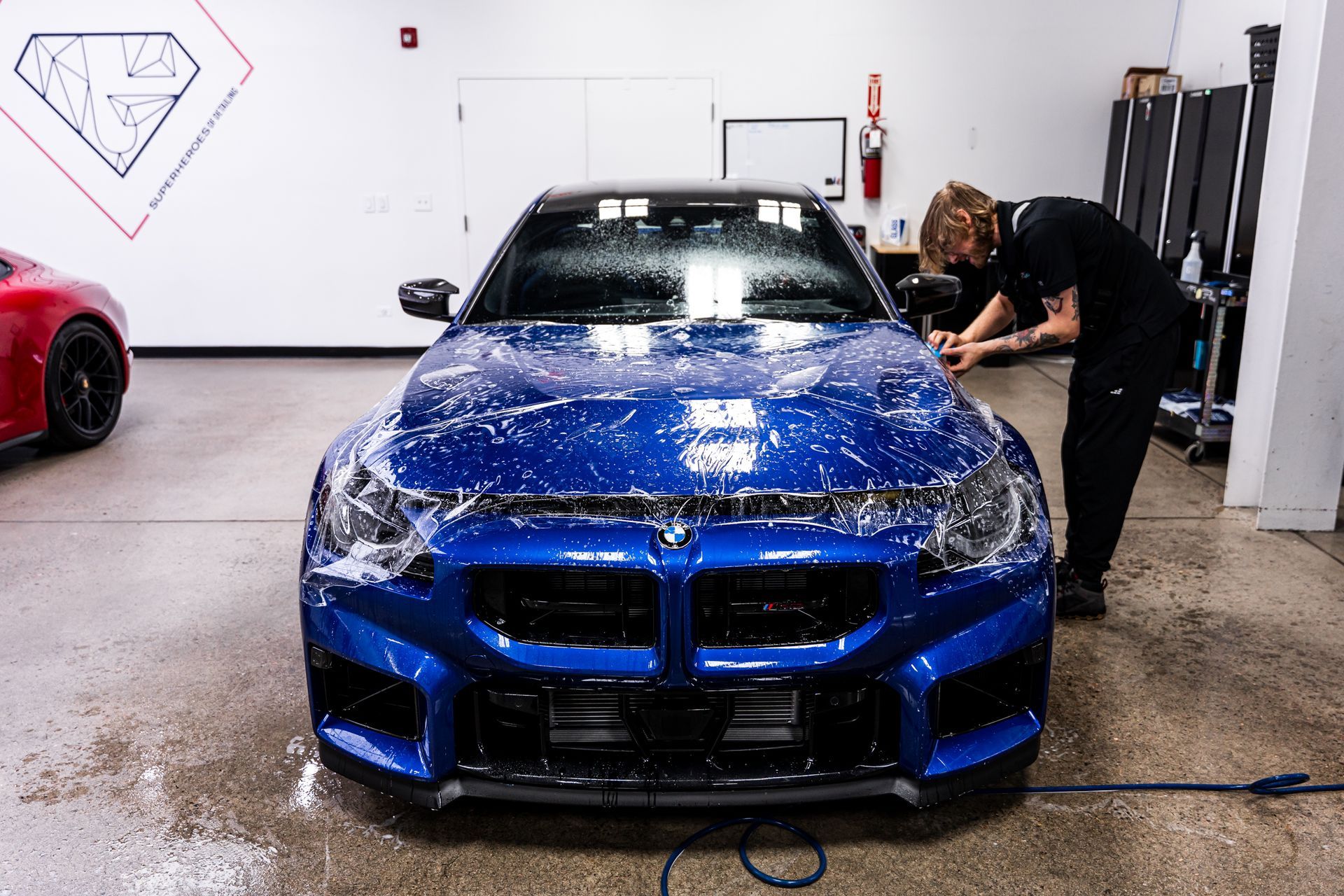
The first step involves removing loose dirt, dust, and surface grime through a careful pre-rinse, foam application, and contact wash. Using appropriate washing techniques helps reduce the risk of introducing additional marks while cleaning the vehicle. Attention is also given to areas that are commonly overlooked, including door jambs, panel gaps, trim edges, and wheel arches. Dirt trapped in these areas can spread onto freshly cleaned paint during the preparation process. A thorough wash creates a clean starting point for the more detailed decontamination stages.
Chemical and Mechanical Paint Decontamination
Regular washing cannot remove every contaminant attached to automotive paint. Chemical and mechanical decontamination address the particles that remain bonded to the clear coat. Iron removers help dissolve embedded metallic particles, while specialized tar and adhesive removers address stubborn residue. A clay bar or clay mitt can then remove remaining bonded contaminants, leaving the paint smoother to the touch. Vehicles in Englewood, CO, can accumulate additional contamination from construction activity, busy roads, and winter road treatments, making this stage particularly important for maintaining a clean surface.
Paint Correction and Final Panel Wipe
Once the paint has been thoroughly cleaned and decontaminated, the next stage focuses on correcting visible imperfections. A professional detailer may inspect the paint thickness before polishing to determine the appropriate correction approach. Compounding and polishing can help reduce swirl marks, light marks, oxidation, and surface haze, improving the paint's overall clarity. After correction, a specialized panel preparation solution removes polishing oils and leftover residue. This final cleaning step leaves the surface ready for ceramic coating by reducing substances that could interfere with proper bonding.
Removing Surface Residues That Interfere With Ceramic Coating Adhesion
Even after washing, decontamination, and polishing, certain residues can remain on the vehicle's paint. These substances may come from previously applied products or from materials used during the correction process. Old waxes, paint sealants, and quick detailers can leave behind slick films that prevent ceramic coating from making proper contact with the clear coat. Polishing oils, compound residue, and silicone-based products can also interfere with the application if they are not completely removed.
These residues may contribute to uneven coating behavior, streaking, hazing, or inconsistent adhesion. Professional detailers use appropriate panel preparation products and inspect the paint under proper lighting to identify remaining residue. Removing these substances ensures the ceramic coating is applied to a properly prepared surface rather than over layers of old products or polishing materials.
How Proper Preparation Helps Ceramic Coating Bond More Effectively
A clean and properly corrected surface allows ceramic coating to make more consistent contact with the vehicle's clear coat. Removing contamination, polishing residue, and other unwanted materials helps create the conditions necessary for the coating to bond and cure as intended. This is important because inconsistent preparation can result in areas where the coating does not perform as expected.
For drivers in Englewood, CO, proper bonding is especially valuable because vehicles regularly encounter environmental conditions such as strong ultraviolet exposure, road salts, bug splatter, and bird droppings. A properly applied ceramic coating helps the paint resist many of these everyday contaminants and makes routine cleaning easier. However, the coating's performance depends on both the quality of the product and the preparation completed before application. Careful surface preparation helps maximize the benefits of the protective layer.
How Paint Preparation Improves Gloss, Clarity, and Long-Term Protection
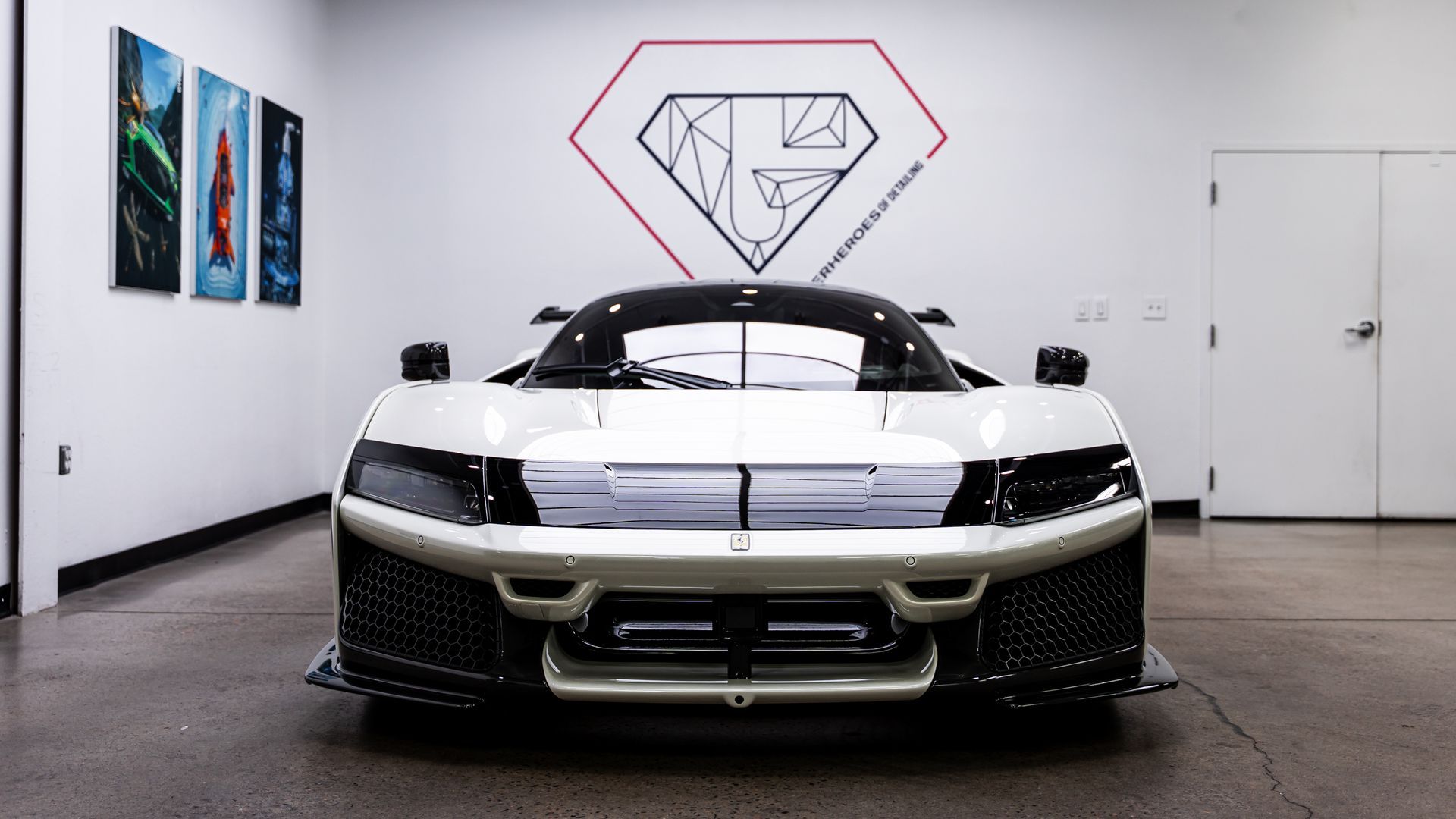
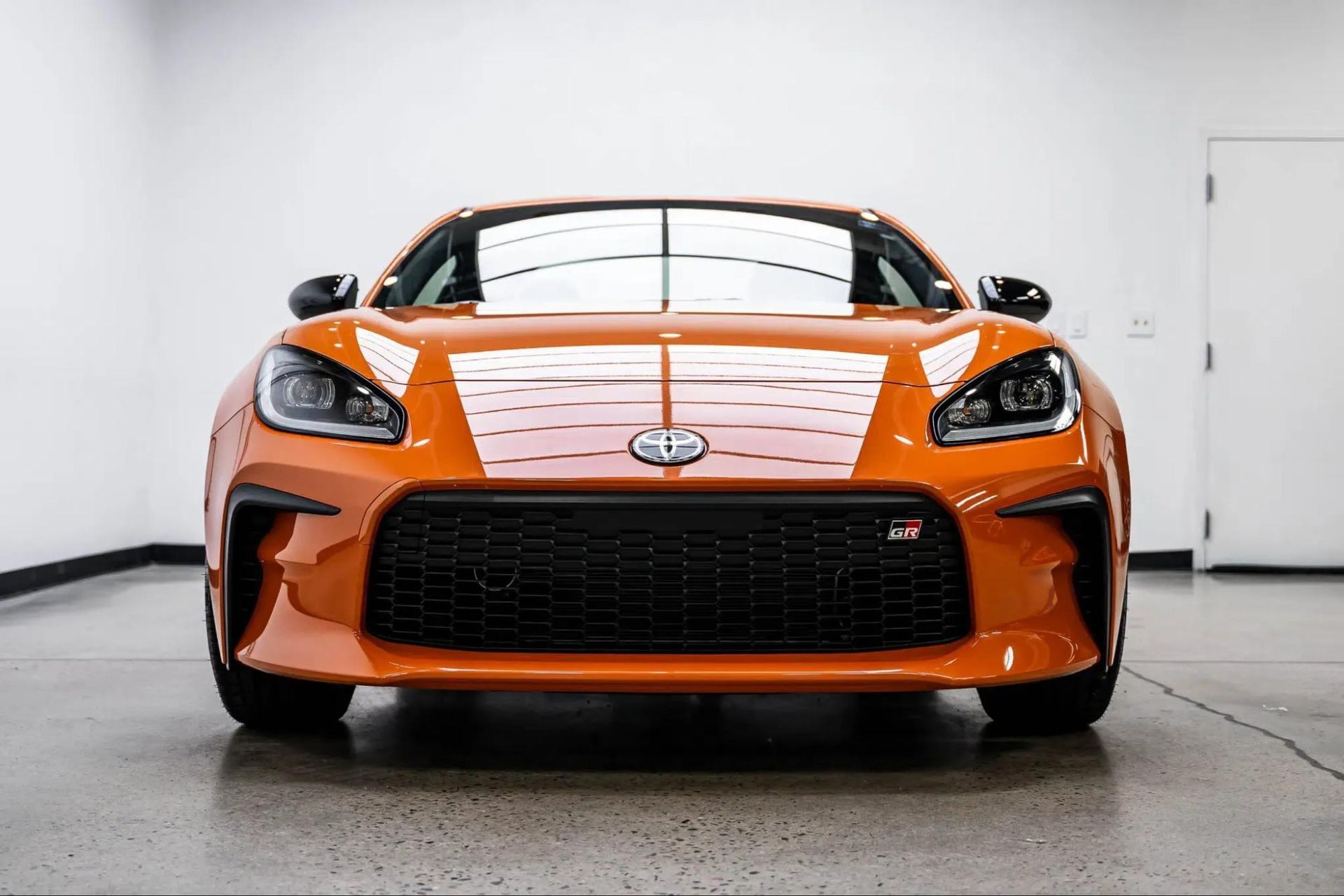
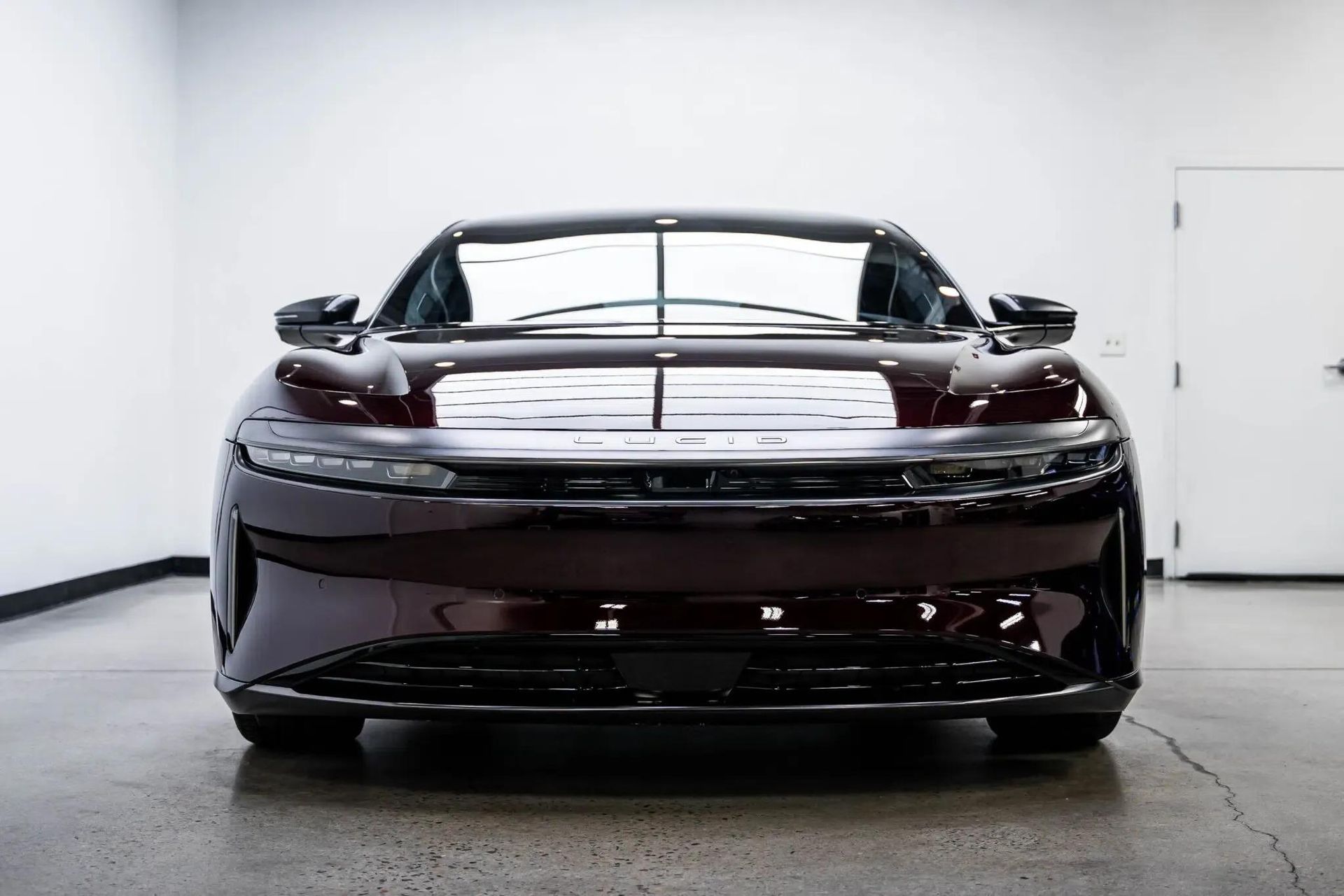
Paint preparation also has a significant impact on the vehicle's final appearance. Ceramic coating enhances the existing finish, but the quality of the paint underneath determines how much gloss and clarity the coating can showcase. Polishing removes or reduces visible imperfections that scatter reflected light, helping create a smoother and more uniform appearance. This can be particularly noticeable on dark and metallic-colored vehicles, where swirl marks and surface haze are often easier to see.
A properly prepared surface also makes ongoing maintenance more manageable. Once the coating has been correctly applied and cured, its hydrophobic properties help water and dirt release more easily during washing. This reduces the effort required to maintain the vehicle's appearance while helping preserve the finish over time. Proper preparation therefore contributes to both the immediate visual results and the long-term value of ceramic coating.
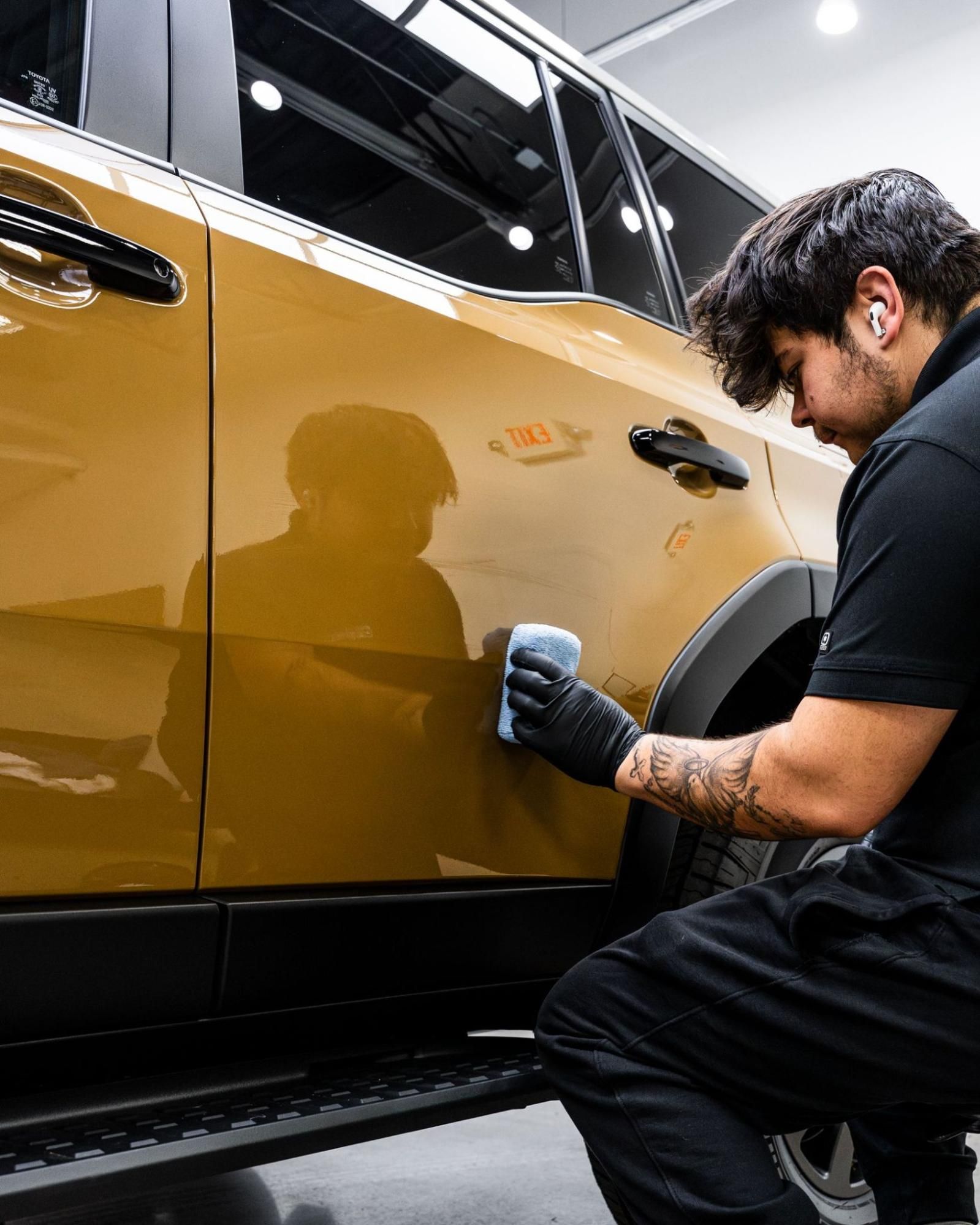
What to Expect From a Professional Ceramic Coating Process in Englewood, CO
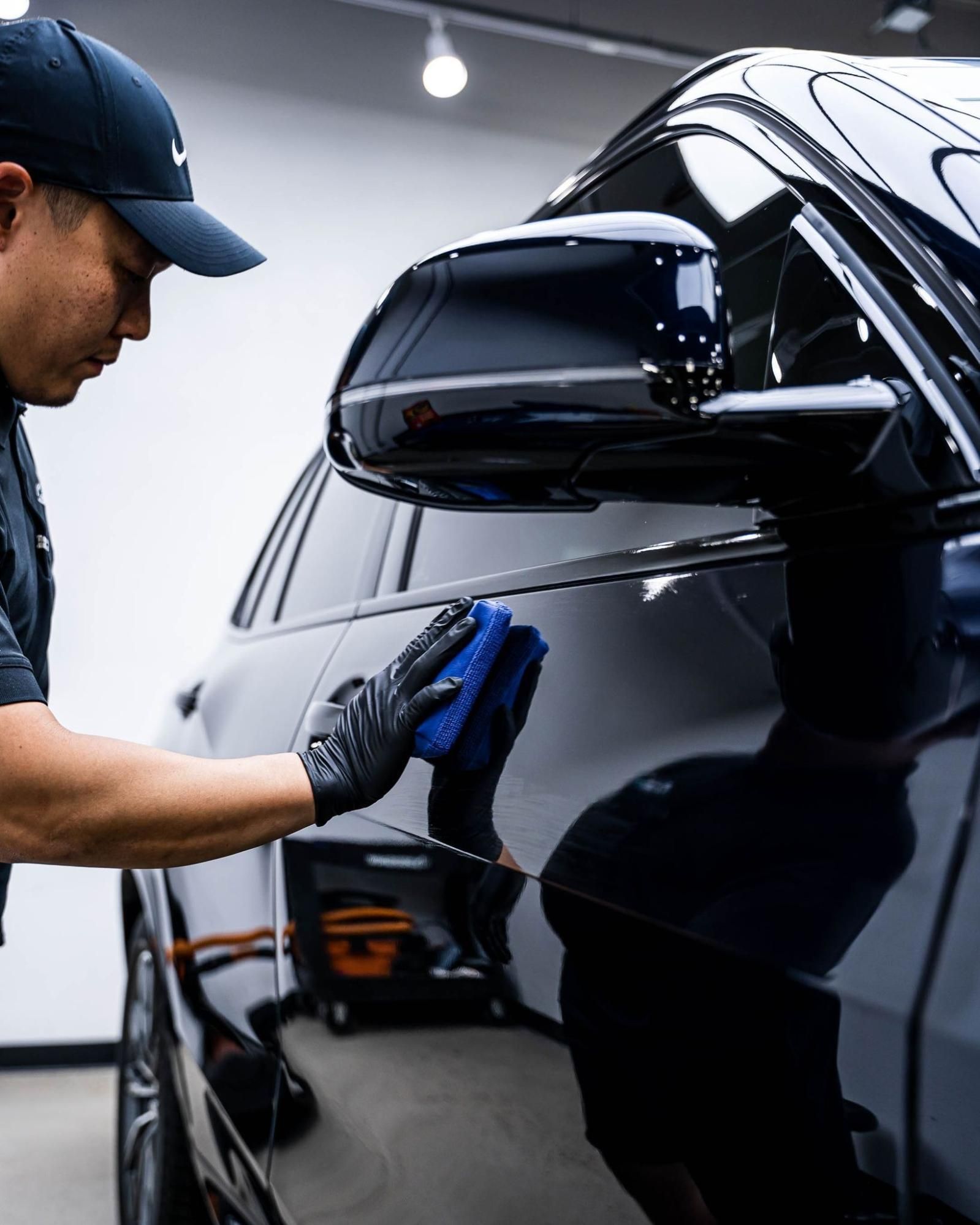
A professional ceramic coating service begins with an inspection of the vehicle's paint to identify swirl marks, oxidation, contamination, and existing protective products. Based on the condition of the surface, the detailer determines which cleaning, decontamination, and paint correction steps are necessary before application. Since preparation requires careful attention to detail, it can take considerably longer than applying the coating itself.
Vehicle owners should understand what is included in the preparation process when comparing ceramic coating services. Asking about washing techniques, paint decontamination, correction methods, and final panel cleaning can provide a clearer picture of the service being offered. At Denver Auto Shield, we emphasize proper preparation to help achieve a clean, refined surface before applying ceramic coating.
Final Thoughts on Ceramic Coating Paint Preparation
Proper ceramic coating paint preparation plays an essential role in determining how effectively the coating bonds, how attractive the finished surface looks, and how well the protection performs over time. Thorough washing, chemical and mechanical decontamination, paint correction, and residue removal each address specific issues that can affect the final result. Skipping these stages can compromise the entire application, even when a high-quality ceramic coating product is used.
For vehicle owners in Englewood, CO, investing in professional preparation helps ensure the paint is ready for protection against everyday environmental contaminants and road conditions. At Denver Auto Shield, we recognize that a successful ceramic coating application starts long before the product touches the paint.
Contact us today to schedule your ceramic coating service and give your vehicle's paint lasting protection and enhanced gloss.