Can Paint Protection Film Be Applied Over Repainted Body Panels?
A bumper gets repaired after a parking-lot scrape, a fender is refinished following a minor collision, or a hood is repainted after years of rock chips. Once the fresh paintwork is complete, many vehicle owners want to protect the finish from future damage. This is when the question of applying paint protection film (PPF) over repainted panels comes up. The good news is that PPF can often be installed over professionally repainted surfaces, provided the paint has fully cured, is properly bonded, and is in suitable condition. At Denver Auto Shield, we help Centennial, CO drivers understand the factors that affect PPF installation over refinished panels. Understanding paint curing, surface preparation, repaint quality, and removal risks can help you make an informed decision before scheduling an installation.
Can PPF Be Installed Over Repainted Panels?
Yes, paint protection film can be applied over repainted body panels in many situations. However, the success of the installation depends on the quality and condition of the paint underneath. Since PPF bonds directly to the vehicle's surface, the underlying clear coat must be stable enough to support the adhesive without creating problems later. A professionally refinished bumper, hood, or fender may provide a suitable surface once the paint has fully cured. However, a rushed repaint, weak clear coat, or poorly bonded finish can increase the risk of adhesion problems and paint damage. Every repainted panel should be evaluated individually rather than assuming the entire vehicle is ready for protection. For example, a vehicle may have original factory paint on most panels but a recently refinished bumper that requires additional attention. You can explore the available protection options on the Denver Auto Shield clear bra page. Choosing professional paint protection film installation ensures that each panel is properly evaluated and prepared before the protective film is applied, helping maintain the appearance of your vehicle's refinished paint.
Why Paint Curing Matters Before PPF Installation
Paint curing is one of the most important considerations when installing PPF over a refinished surface. Fresh automotive paint needs sufficient time to harden and release the solvents used during the refinishing process. Although a newly painted panel may look dry, the layers underneath may still be curing. Installing film before this process is complete can interfere with the paint's development and create problems with adhesion. Understanding the curing process helps vehicle owners determine when their repaired panels are ready for additional protection and why professional installers pay close attention to the age and condition of a repaint.
What Does Fully Cured Automotive Paint Mean?
Automotive paint typically goes through several stages before reaching its final condition. Surface drying happens relatively quickly, but the underlying paint layers need additional time to harden completely. During this period, solvents and other compounds continue to escape as the coating develops its final properties. Fully cured paint has progressed through this process sufficiently to provide a stable surface for film installation. However, curing times vary depending on the paint system, application method, temperature, and refinishing equipment used by the body shop. This is why there is no universal waiting period for every repainted vehicle. The body shop that completed the work should provide guidance about the recommended curing time before PPF installation.
What Happens If PPF Is Installed Too Soon?
Applying PPF before the paint has properly cured can create several installation problems. Trapped solvents may interfere with the adhesive and contribute to bubbling, hazing, or areas where the film does not bond correctly. These problems can become more noticeable as the paint continues to release solvents beneath the protective layer. Premature installation can also increase the possibility of paint damage during future film removal. If the underlying finish is still soft or unstable, the adhesive may place additional stress on the surface when the film is eventually removed. Allowing the paint to cure properly helps minimize these risks and provides a more reliable foundation for the installation. Waiting until the panel is ready is generally a better approach than rushing to protect a finish that has not fully developed.
How Can You Confirm That Repainted Panels Are Ready?
The first step is to contact the body shop that completed the refinishing work. Ask which paint system was used, when the work was finished, and what curing recommendations apply to the specific product. This information helps your PPF installer understand the panel's history and determine whether additional waiting time is necessary. A professional inspection can also identify visible problems that may affect installation. If the paint's curing status is uncertain, delaying the appointment is often the safest option. At Denver Auto Shield, evaluating the condition of the refinished surface before installation helps prevent avoidable complications and ensures the vehicle receives protection when the paint is ready.
Surface Condition and Adhesion: What PPF Installers Inspect
Even when automotive paint has fully cured, the condition of the surface plays an important role in PPF performance. A stable clear coat, consistent finish, and properly prepared panel help create the foundation for successful film application. Before installation, professional installers evaluate the refinished surface for imperfections, bonding concerns, and contamination. These factors influence both the appearance of the finished installation and the film's ability to remain securely attached. Identifying these concerns before applying PPF helps vehicle owners understand whether additional preparation or paint correction is necessary.
Orange Peel, Dust Nibs, and Surface Texture
Repainted automotive panels do not always have the same appearance as factory finishes. Depending on the refinishing process, a panel may have noticeable orange peel, small dust particles trapped in the clear coat, or faint sanding marks. Because paint protection film is transparent, these imperfections can remain visible after installation. In some situations, the glossy film may make existing surface irregularities easier to notice. Depending on the severity of the imperfections, additional surface correction may be necessary before applying the film. Discussing these conditions with your installer helps establish realistic expectations about the final appearance and whether the refinished panel requires additional attention.
Poor Paint Bonding and Existing Finish Problems
Paint adhesion is another important factor when evaluating a refinished panel. Problems such as peeling clear coat, flaking edges, hairline cracks, or poorly bonded paint can make PPF installation unsuitable. The adhesive on the film needs a stable surface to bond against. If the new paint is not securely attached to the layers underneath, the film may pull on the weak areas and contribute to lifting during installation or removal. These problems should be addressed before applying any protective film. Covering an unstable finish does not correct the underlying issue and may create additional repair expenses later. A professional inspection helps identify these concerns before the installation process begins.
Why Proper Surface Preparation Is Important
Surface preparation helps ensure that the PPF adhesive can bond directly to the intended paint surface. Repainted panels may contain wax, polishing compounds, sealants, overspray, or other residues left behind during the refinishing process. These contaminants can interfere with adhesion and affect the quality of the installation. Thorough washing, decontamination, and appropriate surface cleaning help remove unwanted substances before the film is applied. At Denver Auto Shield, careful preparation is an important part of achieving a clean installation. Taking the time to prepare each panel helps reduce avoidable adhesion problems and supports the finished appearance of the protective film.
How Repaint Quality and Age Affect PPF Performance
The quality and age of a repaint can significantly influence how well paint protection film performs. A professionally refinished panel with properly applied base coat and clear coat generally provides a more dependable foundation than a surface with inconsistent coverage or weak paint adhesion. Budget refinishing work may involve uneven clear coat application, visible texture differences, or inadequate bonding between paint layers. These issues can affect how the film looks and how securely it attaches to the surface. The age of the repaint also matters because a recently refinished panel may still require additional curing time, while an older repaint may have developed oxidation, clear coat deterioration, or other signs of wear. Understanding when the panel was painted and how the work was completed gives installers valuable information. Rather than relying on the age of the repaint alone, they can evaluate the actual condition of the surface and determine whether PPF is appropriate.
Why Professional Inspection Is Important Before PPF Installation
A professional inspection helps determine whether a repainted panel can safely support paint protection film. Although the surface may appear smooth and fully finished, hidden imperfections or weak paint bonding can create problems that are not immediately obvious. During an evaluation, an experienced installer examines the paint condition, visible defects, surface preparation requirements, and available information about the curing process. Paint thickness measurements and comparisons with surrounding factory-finished panels may also help identify differences in the refinished areas. Based on the inspection, the installer may recommend proceeding with the installation, allowing additional curing time, correcting surface imperfections, or avoiding film application on a particular panel. For Centennial, CO drivers, having the vehicle evaluated before committing to PPF helps establish whether the refinished areas are suitable for protection. It also provides an opportunity to discuss the expected appearance, installation considerations, and any limitations associated with the repaint.
What Are the Risks of Removing PPF From Repainted Panels?
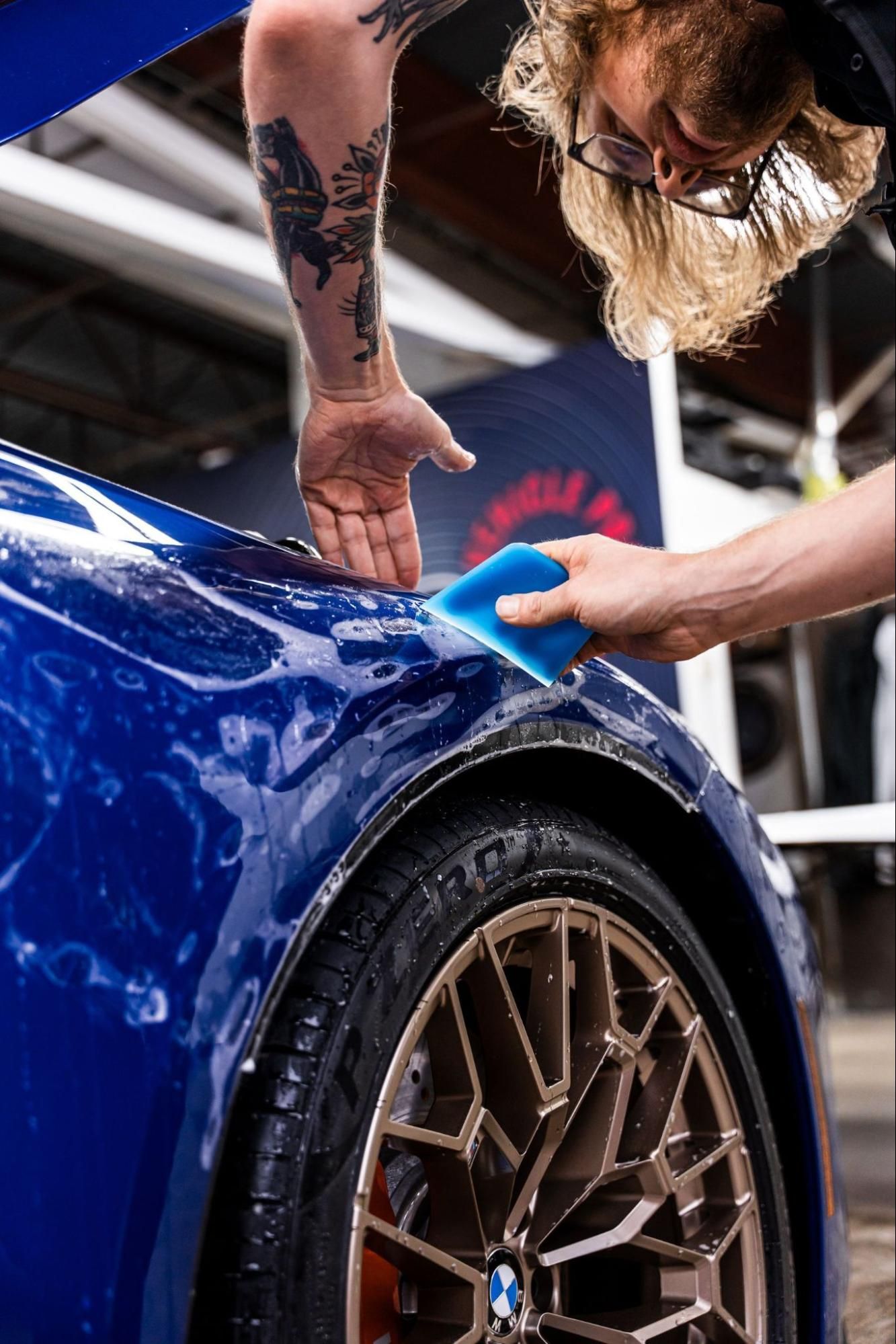
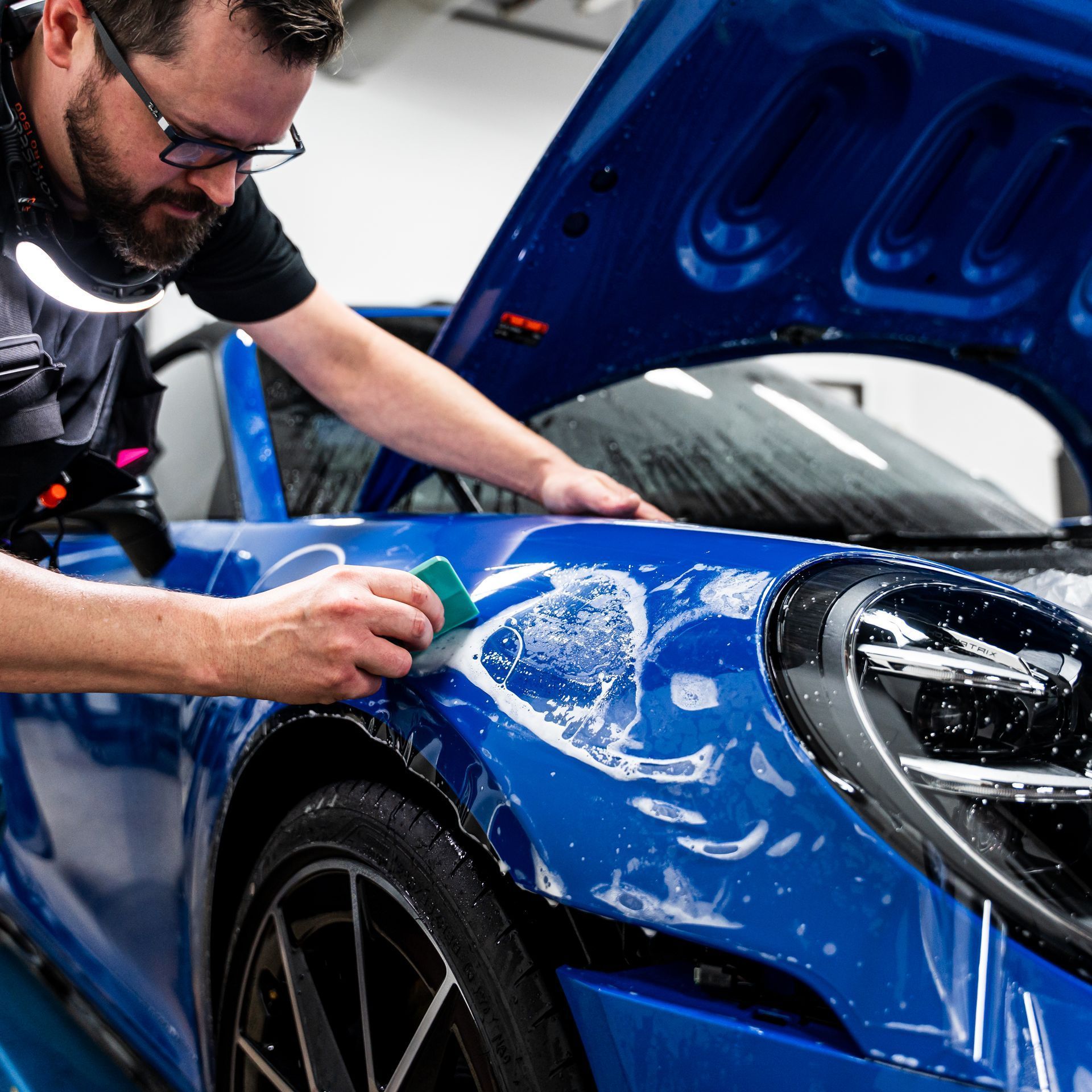
PPF removal is another important consideration when protecting refinished automotive surfaces. While professional paint protection film can be removed, repainted panels may carry additional risks compared with original factory finishes. Factory paint is applied under controlled manufacturing conditions, while refinished panels depend on the quality of the body shop's preparation, materials, and application process. If the new paint has weak bonding between layers, removing the film may cause portions of the finish to lift. Proper curing and stable paint adhesion help reduce this possibility, but they cannot guarantee that every repaint will respond like factory paint. The condition of the underlying surface is especially important when the film has remained installed for an extended period. Professional removal techniques, including controlled heat and careful handling, can help minimize unnecessary stress on the paint. However, the installer should understand that the panel has been repainted before beginning the process. Discussing the repaint history during installation also helps establish realistic expectations for future maintenance and removal.
Get PPF Over Repainted Panels Installed in Centennial, CO
Paint protection film can be an effective way to protect professionally refinished automotive panels, provided the paint is fully cured, properly bonded, and prepared for installation. Whether you have recently repainted a bumper, hood, or fender, evaluating the condition of the surface before applying film is essential for achieving a dependable result. At Denver Auto Shield, we help Centennial, CO drivers understand their paint protection options and determine whether their vehicle is ready for PPF installation. Our approach focuses on evaluating the existing finish and considering the specific requirements of each panel before moving forward. Visit our clear bra page to explore our paint protection film services.
Contact us to schedule an evaluation and discuss protecting your vehicle's freshly refinished surfaces.