Does the Thickness of Paint Protection Film Affect Performance?
For drivers in Littleton, CO, keeping a vehicle’s paint protected can be challenging because regular driving exposes the exterior to rock chips, road debris, minor scratches, changing weather, and frequent highway travel. Paint protection film creates a transparent barrier over painted surfaces to help reduce the effects of those everyday hazards while preserving the appearance of the factory finish. One factor vehicle owners often consider when comparing PPF options is Paint Protection Film Thickness, but thickness alone does not determine how well a film performs. The construction of the film, its flexibility, self-healing characteristics, coverage area, installation quality, and the way a vehicle is driven all contribute to the level of protection it can provide. Denver Auto Shield offers professional PPF installation for drivers in Littleton and the surrounding Denver area, with coverage options designed for everything from routine local driving to frequent highway and mountain travel.
What Does Paint Protection Film Thickness Mean?
Paint protection film thickness refers to the overall depth of the protective material installed over a vehicle’s painted surface. While it may seem logical to assume that a thicker film will automatically provide better protection, PPF performance is more complex because modern films are built with multiple functional characteristics working together. The protective urethane layer, topcoat technology, adhesive performance, clarity, and flexibility all influence how effectively the film handles everyday exposure. We emphasize high-quality film construction and modern topcoat technology designed to maintain clarity, resist environmental damage, and provide self-healing properties rather than relying on thickness as the only indicator of quality.

How Does Paint Protection Film Thickness Affect Performance?
Paint protection film needs to accomplish several jobs at the same time. It must create a physical barrier strong enough to help defend the factory paint from common road hazards while remaining flexible enough to follow the curves and contours of the vehicle. Paint Protection Film Thickness can influence how the material responds to impacts, abrasion, and long-term exposure, but it must be considered together with the quality and construction of the film. For Littleton drivers, this balance becomes especially important when vehicles regularly encounter local roads, highways, mountain routes, loose gravel, snow, ice, and other conditions common throughout Colorado.
Impact Resistance Against Rock Chips and Road Debris
One of the primary reasons drivers choose PPF is to create a sacrificial layer between road hazards and the vehicle’s original paint. Film thickness can contribute to the amount of material available to absorb or disperse the force created by small stones, gravel, and road debris before those objects reach the clear coat underneath. This is particularly valuable across high-impact areas such as the front bumper, hood, mirrors, headlights, and front fenders. We specifically design our PPF coverage options around vulnerable areas that commonly experience rock chips, pitting, snow, ice, and roadway debris, helping Littleton drivers match protection to the parts of their vehicles that face the greatest exposure.
Minor Scratch Resistance and Long-Term Durability
Thickness can also play a role in how a paint protection film handles minor abrasion and daily surface contact, but durability depends heavily on the film’s overall technology. We use paint protection film with self-healing surface characteristics, allowing certain minor scratches and surface marks in the film to diminish when exposed to a suitable heat source. The company also describes its PPF as resistant to yellowing and designed to maintain long-term physical strength when properly cared for. For drivers around Littleton who want lasting protection, these characteristics show why choosing PPF should involve more than simply comparing which product appears thickest.
Flexibility and Ability to Conform to Vehicle Panels
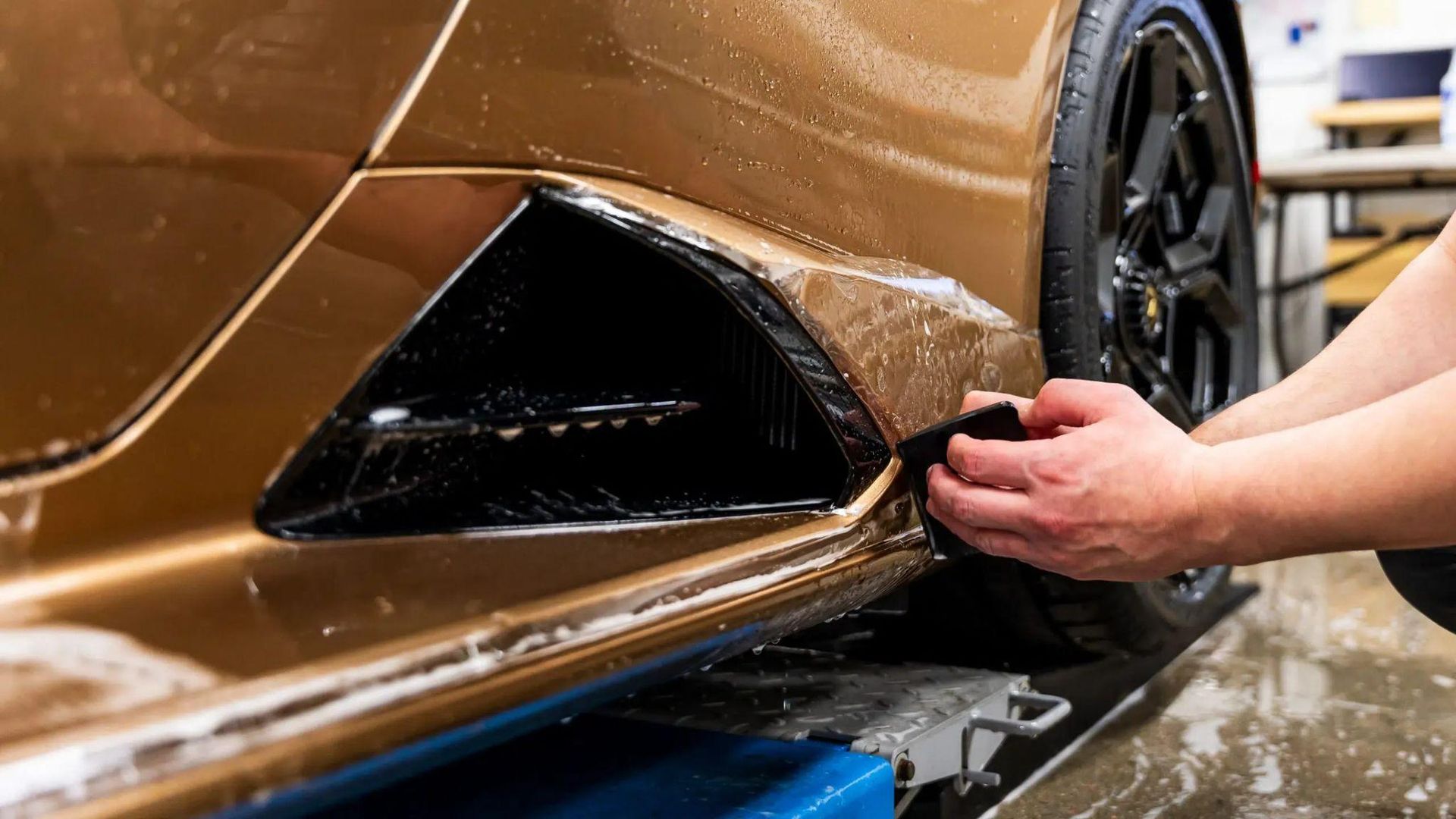
Protective strength is important, but PPF must also remain flexible enough to conform cleanly around curved panels, bumpers, mirrors, body lines, and other complex exterior features. A film that does not adapt properly to these shapes could make precise coverage more difficult, regardless of how substantial the material may be. Denver Auto Shield uses custom-designed, pre-cut film patterns intended to fit the specific shape and variations of each vehicle while reducing the need to hand-trim film directly over painted surfaces. This combination of suitable film characteristics and precise installation helps produce seamless protection without sacrificing the vehicle’s original appearance.
Is Thicker Paint Protection Film Always Better?
A thicker paint protection film is not automatically the best choice for every vehicle or every driving situation. Real-world performance depends on how the complete PPF system works, including its urethane construction, topcoat, adhesive, self-healing ability, clarity, resistance to environmental exposure, and professional installation. Denver Auto Shield explains that modern clear bra technology uses advanced urethane topcoats that are designed to resist yellowing and environmental damage while providing glossy, self-healing protection. For a Littleton vehicle owner, the better question is therefore not simply how thick the film is, but whether its complete construction is appropriate for the vehicle’s use and expected level of exposure.
What Paint Protection Film Thickness Is Best for Different Driving Conditions?
The ideal level of PPF protection depends heavily on how a vehicle is used throughout Littleton and the greater Denver area. A vehicle primarily driven short distances on surface streets may not experience the same level of exposure as one that regularly travels at highway speeds, heads into the mountains, or accumulates significant mileage each week. Rather than treating Paint Protection Film Thickness as a one-size-fits-all specification, drivers should consider how often their vehicle is used, where it travels, and which panels experience the greatest risk. We follow this practical approach by offering multiple coverage packages based on different driving patterns and protection needs.
Daily Driving Around Littleton, CO
For vehicles used primarily for local commuting, errands, and regular surface-street driving around Littleton, protecting the most vulnerable front-facing areas can often provide meaningful everyday defense. Even routine driving can expose the bumper, hood, mirrors, headlights, and door areas to small stones, road debris, and minor abrasions. Denver Auto Shield’s Basic Front and Full Front options are designed around this type of use, with the Full Front package particularly suited to vehicles used mostly around town with occasional highway drives or mountain trips. Selecting the appropriate film and coverage combination helps provide practical protection without assuming that every daily driver requires the most extensive available setup.
Highway and Mountain Driving
Littleton drivers who spend significant time on highways or travel frequently into Colorado’s mountain areas face a different level of exposure. Higher speeds can increase the force with which gravel and other road debris contact the vehicle, while mountain roads may introduce additional debris along the sides and lower sections of the body. Our Driver’s Package was specifically created for sports cars and other vehicles that see substantial highway driving or trips into the mountains, extending protection to areas such as the rocker panels, A-pillars, partial roof, and rear impact area in addition to the complete front end. In these situations, broader coverage can be just as important as the film’s physical characteristics.
Performance, Luxury, and High-Value Vehicles
Owners of performance, luxury, exotic, or carefully maintained vehicles may place greater importance on preserving as much of the original finish as possible. These vehicles can benefit from broader PPF coverage because exposed painted panels remain vulnerable even when the front end is protected. We offer full-body PPF that covers exterior painted surfaces including bumpers, hood, fenders, rocker panels, doors, roof, trunk, mirrors, and lighting areas. For drivers who want a high level of exterior preservation, evaluating film quality together with comprehensive coverage creates a more complete protection strategy than concentrating on thickness alone.
Why Coverage Area Can Matter as Much as PPF Thickness
No matter how capable a paint protection film is, it can only protect the surfaces it actually covers. A thick or highly durable film installed only on a small section of the vehicle will not prevent damage from occurring on exposed doors, rocker panels, fenders, roof sections, or rear surfaces. We offer Basic Front, Full Front, Driver’s, and Full Body packages so customers can select protection according to the way their vehicle is driven. For Littleton drivers, considering where damage is most likely to occur can therefore be just as important as comparing Paint Protection Film Thickness, particularly when highway mileage, mountain driving, or frequent daily use increases exposure beyond the front bumper and hood.
Why Film Quality Matters Alongside Paint Protection Film Thickness
Thickness gives only one piece of information about a paint protection film. The quality of the urethane, topcoat performance, resistance to environmental contamination, clarity, self-healing capability, hydrophobic behavior, and ability to resist discoloration can all influence how the film looks and performs over time. Denver Auto Shield notes that modern PPF technology is substantially more advanced than older single-layer films that were more vulnerable to yellowing, water spotting, and environmental damage. Its current offerings are designed to provide glossy protection, self-healing characteristics, UV resistance, and resistance to discoloration, giving Littleton drivers a more comprehensive form of paint preservation than thickness alone could provide.
How Professional PPF Installation Affects Protection
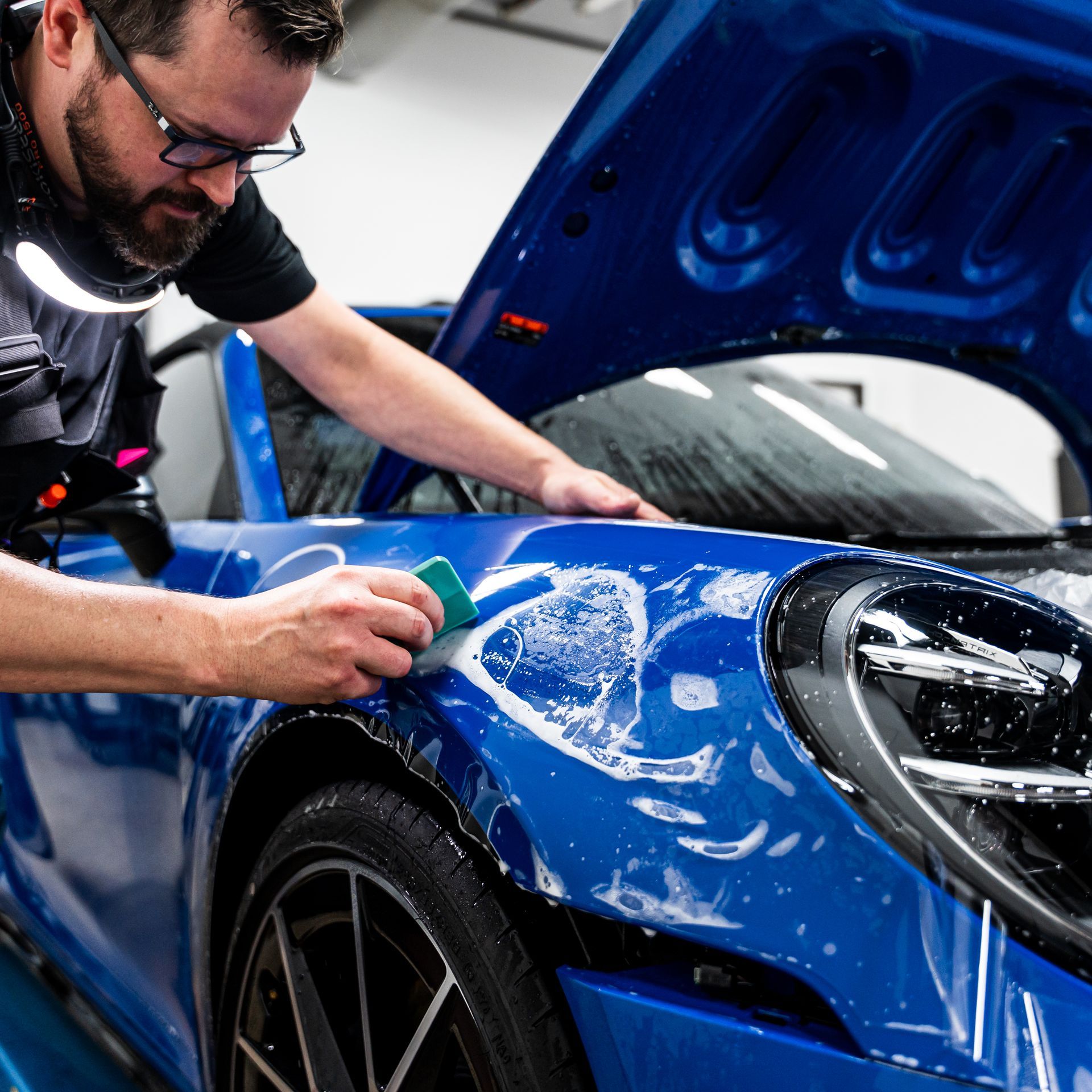
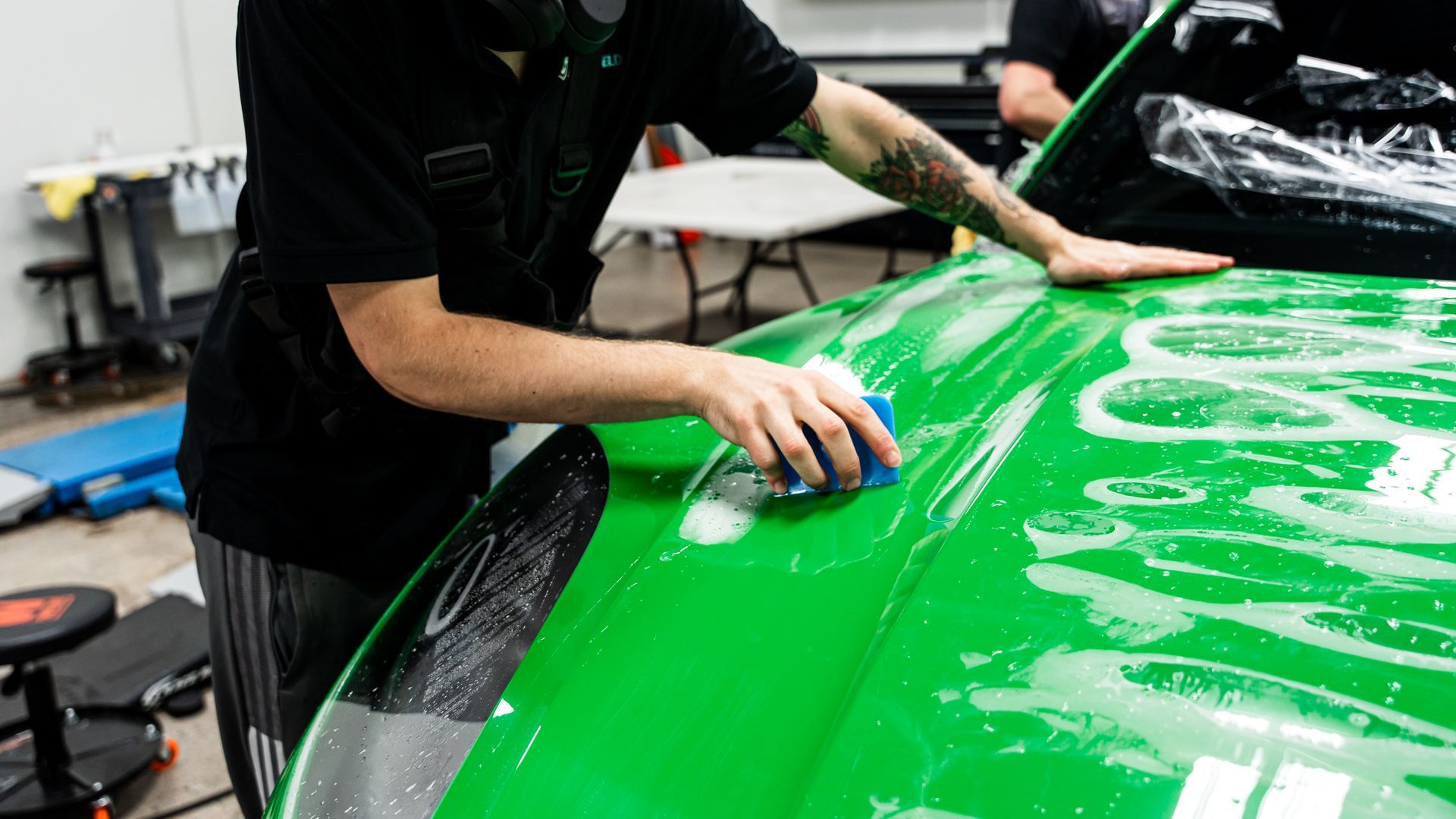
Even premium paint protection film cannot perform as intended if it is poorly fitted or improperly applied. Professional installation helps ensure that the film follows the vehicle’s body contours, covers vulnerable areas accurately, adheres smoothly, and maintains a clean appearance without unnecessary imperfections. We use custom-designed, pre-cut patterns and professional installation methods to account for a vehicle’s unique shape and reduce the need for potentially risky hand trimming directly over the factory paint. For Littleton vehicle owners, choosing an experienced installer is therefore an important part of achieving reliable protection, because the final result depends on both the properties of the film and the precision with which it is installed.
How to Choose the Right PPF for Your Vehicle in Littleton, CO
Selecting the right paint protection film should begin with an honest assessment of how and where the vehicle is driven. A Littleton driver who mainly travels on neighborhood streets may have very different needs from someone commuting extensively on highways, heading into the mountains every weekend, or protecting a performance vehicle intended to retain its factory finish for years. Mileage, road conditions, vehicle value, vulnerable panels, desired coverage, and long-term ownership plans should all influence the decision. We provide different PPF packages specifically so customers can match their protection to real-world driving habits rather than selecting a solution based only on a single specification such as film thickness. For drivers looking for professional protection, we provide paint protection film services in Littleton, CO, with coverage options designed around different vehicles and driving conditions.
Does Paint Protection Film Thickness Really Matter?
Yes, Paint Protection Film Thickness can influence characteristics such as impact resistance, durability, and the amount of protective material separating road hazards from factory paint, but it should never be treated as the only measure of performance. Film construction, flexibility, self-healing technology, topcoat quality, installation precision, and coverage area all contribute to how effectively PPF protects a vehicle from rock chips, minor scratches, road debris, and environmental exposure. For drivers in Littleton, CO, the right solution should reflect the vehicle’s actual driving conditions and the level of protection desired. Denver Auto Shield offers professionally installed PPF packages ranging from targeted front-end coverage to full-body protection, allowing drivers to select a setup that better matches how their vehicle is used.
Contact us today to discuss the right paint protection film and coverage option for your vehicle in Littleton, CO.