
How to Clean Tinted Car Windows Safely Without Damaging the Film?
Tinted car windows need careful maintenance because the wrong cleaning product or tool can damage the film even when the glass appears unharmed. Harsh chemicals, rough materials, and aggressive wiping may contribute to scratches, peeling edges, discoloration, or a cloudy finish that affects visibility. For vehicle owners in Englewood, CO, knowing how to clean tinted windows safely for film protection can help preserve clarity, UV-blocking performance, and overall durability. A gentle cleaning routine using ammonia-free products and clean microfiber cloths keeps the windows streak-free without placing unnecessary stress on the installed film.
Why Proper Cleaning Matters for Tinted Car Windows
Automotive window film is applied to the interior surface of the glass, which means inside-window cleaning requires more care than ordinary exterior glass washing. Using unsuitable products can affect the film’s surface or adhesive and gradually reduce its clean, uniform appearance. Proper maintenance helps preserve clear visibility, effective UV protection, glare reduction, and the comfortable driving environment created by quality window tint. It can also help Englewood drivers avoid preventable damage that may eventually require film repair or replacement.
Choose Safe Products and Tools for Window Tint Care
Safe cleaning begins before the cloth touches the glass because every product and tool can affect the finished result. The goal is to remove fingerprints, dust, smoke residue, and light grime without scratching the film or weakening its edges. A basic collection of tint-safe supplies is usually enough to complete the job without complicated equipment. Choosing gentle materials also makes it easier to maintain a consistent, streak-free finish during routine vehicle care.
Use an Ammonia-Free Window Cleaning Solution
An ammonia-free automotive glass cleaner is generally the safest choice for maintaining tinted windows. Ammonia and other strong household chemicals can contribute to discoloration, dryness, or deterioration in certain window films, particularly after repeated use. Vehicle owners should read the product label and confirm that the solution is identified as safe for aftermarket tint before applying it. A mild mixture of water and a small amount of gentle soap may also be suitable, but excessive soap should be avoided because it can leave a cloudy film or visible streaks.
Select Soft and Clean Microfiber Cloths
A clean microfiber cloth can lift dust, fingerprints, and cleaning residue without creating the aggressive friction associated with rougher materials. Paper towels, newspapers, worn shop rags, and stiff fabrics may contain coarse fibers or trapped particles that can leave fine marks on the film. It is helpful to use one microfiber cloth for cleaning and another dry cloth for the final wipe so residue is not spread across the window. Both cloths should be free from fabric softener, dirt, polish, or wax that could transfer onto the tint and create haze.
Avoid Abrasive or Sharp Cleaning Tools
Abrasive pads, stiff brushes, razor blades, and hard-edged scraping tools should never be used on the film-covered side of a tinted window. Even when a stubborn spot does not come off immediately, scraping it can puncture the film, scratch its surface, or disturb the adhesive around an edge. Hard squeegees can also cause damage when they are used with excessive pressure or moved across contaminated glass. Allowing a tint-safe cleaner to soften the residue before gently wiping it is much safer than trying to force the contamination away with a sharp tool.
Follow a Gentle Process to Clean Tinted Windows Safely
A careful cleaning process protects the film while helping the glass remain clear and streak-free. The windows should ideally be cleaned in a shaded or enclosed area because hot glass can cause the cleaning solution to evaporate before it has been wiped evenly. This is especially useful during sunny weather in Englewood, when vehicle glass may become warm quickly. Working slowly and using light pressure provides better control around film edges and other sensitive areas.
Remove Loose Dust Before Applying the Cleaner
Begin by inspecting the interior glass for dust, sand, or other loose particles that could scratch the film when moved beneath a cloth. Use a clean, dry microfiber towel to lift this material with light passes instead of rubbing it firmly across the surface. Pay particular attention to the lower section of each window, where debris may collect near seals and door panels. Removing loose contamination first prepares the surface for wet cleaning and reduces the chance of dragging abrasive particles across the tint during the next step.
Apply the Cleaner and Wipe With Light Pressure
Apply a controlled amount of ammonia-free cleaner to a microfiber cloth or lightly mist the glass without saturating it. Excess liquid should be avoided because it can run into window seals or collect around the film’s edges, where repeated moisture exposure may affect adhesion. Wipe the glass using gentle, overlapping motions and avoid pressing heavily on spots that require additional cleaning. If residue remains, apply a small amount of cleaner, allow it time to soften the material, and repeat the gentle wiping process instead of scrubbing aggressively.
Dry the Glass and Check for Remaining Streaks
Use a second clean microfiber cloth to dry the window immediately after cleaning it. Move across the glass with smooth, controlled passes while keeping the cloth away from dirty trim, seals, and door surfaces that could transfer residue back onto the tint. Check the window from several angles because streaks can be difficult to see until light passes through the glass. If marks remain, lightly buff the affected area with a dry section of the cloth rather than applying another heavy layer of cleaning solution.
Be Careful With Newly Installed Window Tint
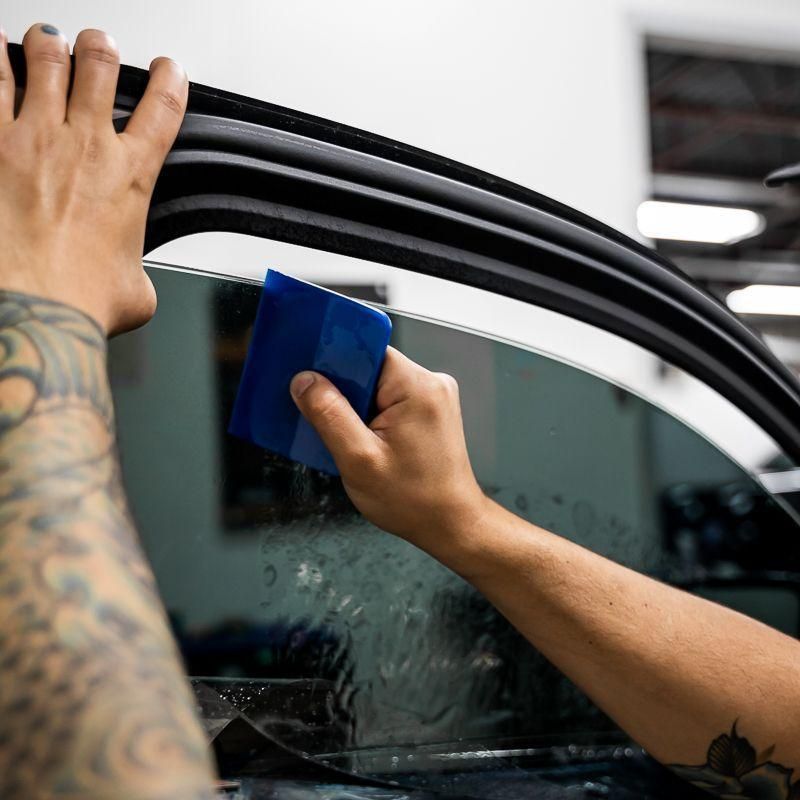
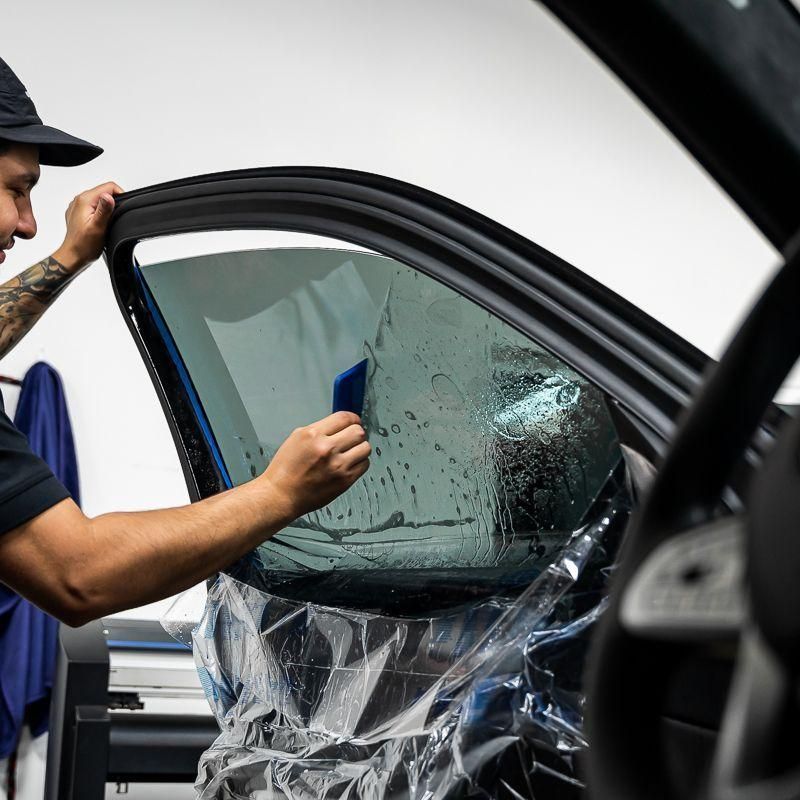
Newly installed window film requires time to cure and bond fully to the glass, so it should not be cleaned immediately after installation. The appropriate waiting period can vary according to the film, installation conditions, temperature, and weather, making the installer’s aftercare instructions the most reliable guide. During curing, slight cloudiness or small moisture pockets may be visible, but these should not be pressed, scraped, or punctured. Denver Auto Shield can provide care recommendations based on the ceramic window tint installed so Englewood vehicle owners know when normal cleaning and window operation can safely resume. Professional window tinting installation helps ensure a precise fit, clear visibility, and reliable UV and heat protection for your vehicle.
Common Cleaning Mistakes That Can
Damage Window Film
Many tint problems begin with ordinary cleaning habits that appear harmless at first. Using ammonia-based household cleaner, wiping with paper towels, scrubbing dried residue, or allowing liquid to gather along the film edges can gradually affect the tint’s condition. Cleaning hot windows in direct sunlight can also produce uneven drying and persistent streaks, while using a contaminated towel may drag grit across the film. These risks can be reduced by checking product labels, working on cool glass, using separate microfiber cloths, and treating stubborn contamination patiently.
Another common mistake is assuming that the interior and exterior sides of the window can be cleaned in exactly the same way. Most aftermarket tint is installed on the interior surface, making that side more sensitive to chemicals, scraping, and abrasive contact. Exterior glass may collect heavier road contamination, but cleaning tools used outside should not automatically be brought inside because they may hold dirt or grit. Keeping separate supplies for the tinted interior surface helps prevent accidental scratches and unwanted residue transfer.


How Regular Maintenance Preserves Film Performance
Regular cleaning prevents fingerprints, oils, dust, smoke residue, and other contaminants from forming a stubborn layer across the tint. When buildup is addressed early, it can usually be removed with less product, lighter pressure, and fewer repeated passes over the film. This gentle routine helps preserve optical clarity so drivers can continue to see through the windows without distracting haze or streaks. It also supports the tint’s clean appearance and complements the heat reduction, glare control, privacy, and UV protection associated with quality ceramic window film.
Maintenance frequency should be based on the vehicle’s use and condition rather than a rigid cleaning schedule. A frequently driven vehicle may require more attention than one stored indoors, especially if passengers often touch the glass or dust enters through open windows. Englewood’s changing temperatures, strong sunlight, and everyday road conditions can also influence how quickly the windows appear dirty. Inspecting the glass regularly allows the owner to clean it when needed without exposing the film to unnecessary or excessive handling.
Recognizing When Window Tint Needs Professional Attention
Cleaning can remove surface residue, but it cannot correct every change that appears in automotive window film. Persistent bubbles, peeling edges, deep scratches, unusual discoloration, or distortion may indicate damage or an installation-related concern rather than ordinary dirt. These areas should not be scraped, pressed, or covered with stronger chemicals in an attempt to improve their appearance. A professional inspection can determine whether the film needs additional curing time, careful attention, or replacement to restore a clear and uniform finish.
Owners should also request guidance when they are uncertain whether a particular cleaner is compatible with their tint. Different products may contain dyes, fragrances, solvents, or additives that are not obvious from the front label. Testing an unknown solution across the entire window can create widespread damage that might have been avoided with professional advice. Denver Auto Shield can help customers understand the care requirements associated with their installed window film and recommend safer maintenance practices.
Keep Your Tinted Windows Clear and Protected in Englewood, CO
Maintaining tinted car windows does not require aggressive chemicals or complicated equipment. Ammonia-free cleaner, clean microfiber cloths, gentle pressure, controlled moisture, and careful drying are the main elements of a tint-safe routine. These practices help reduce the risk of scratches, lifting, peeling, discoloration, and streaking while preserving clear visibility and the film’s finished appearance. Following the installer’s instructions is especially important after a new application because proper curing creates the foundation for long-term performance.
Denver Auto Shield provides professional ceramic window tint installation designed to enhance privacy, reduce glare and interior heat, block UV rays, and maintain a clear view from inside the vehicle. Proper cleaning allows Englewood drivers to continue enjoying these benefits without placing unnecessary stress on the film. If your existing tint appears damaged or you are considering professional window tinting for your vehicle,
contact us to request an inspection, discuss available film options, or schedule an installation.