What is the Best Window Tint Percentage for Night Driving Visibility and Privacy?
Choosing the right window tint percentage is about more than style, since it directly affects how safely and comfortably you drive once the sun goes down. Many drivers in Englewood, CO focus only on daytime heat reduction and privacy, forgetting that a tint too dark can make night driving genuinely difficult. At Denver Auto Shield, we work with drivers every day who want a tint that looks great, blocks glare, and still lets them see clearly on unlit roads. This guide breaks down how tint percentage impacts visibility and privacy, helping you find the best tint percentage for night driving visibility without compromising on safety or comfort.
Understanding Window Tint Percentages (VLT Explained)
Window tint percentage is measured using a standard called Visible Light Transmission, or VLT, which tells you how much light is actually allowed to pass through your glass. A lower VLT percentage means a darker film that blocks more light, while a higher VLT percentage means a lighter film that lets more light through. Understanding this concept is the foundation for every decision you make about tint darkness, since it determines how your windows behave in both bright sunlight and low-light conditions. Once you know how VLT works, choosing between visibility, privacy, and style becomes a far more informed process.
What Does VLT (Visible Light Transmission) Mean?
VLT is expressed as a percentage that represents the total amount of visible light able to pass through both the glass and the film combined, not just the film alone. A 35 percent VLT tint, for example, allows 35 percent of outside light to enter the vehicle while blocking the rest, which affects everything from interior brightness to how well you can see out at night. Manufacturers and installers rely on this measurement because it is consistent and legally regulated, making it the industry standard for describing tint darkness, rather than vague terms like light or dark.
Common Tint Percentage Ranges Explained
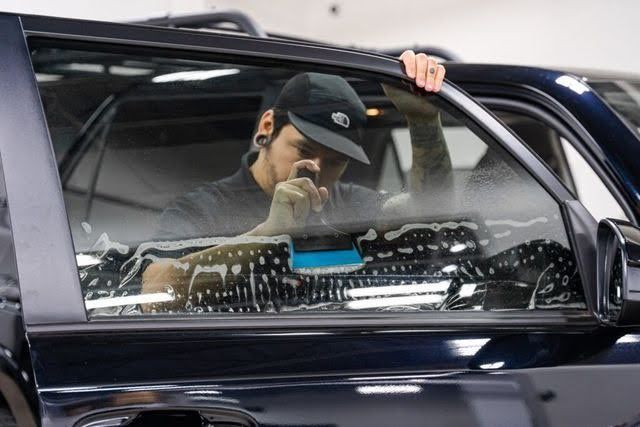
Most window tints fall into a handful of common ranges, starting around 5 percent for extremely dark limousine-style film and going up to 70 percent or higher for nearly clear film. A 20 percent tint is considered quite dark and popular for privacy, while 35 percent offers a noticeably darker look than stock glass but still permits a reasonable amount of light. Tints near 50 percent are moderate, offering a subtle appearance change while preserving strong visibility, and anything above 70 percent is close to untinted glass. Knowing where each percentage falls helps you set realistic expectations before your appointment.
How Tint Percentage Affects Light Entering Your Vehicle
Every percentage point of VLT removed has a cumulative effect on the total light entering your cabin, which becomes especially noticeable once natural daylight fades. During the day, a darker tint can feel comfortable because ambient light compensates for what the film blocks, but at night that extra light source disappears entirely. This is why a tint that seemed fine on a sunny Englewood afternoon can feel restrictive when driving home after dark on a quiet Colorado backroad, which is why night driving visibility deserves its own consideration.
Why Night Driving Visibility Matters
Night driving already places extra demand on your eyes, since reduced ambient light makes it harder to judge distances, spot pedestrians, and react quickly to sudden movement on the road. Glare from oncoming headlights, streetlights, and reflective road signs can cause temporary vision impairment, and a poorly chosen tint can intensify rather than reduce that discomfort. In Englewood, where evening commutes mix well-lit highways with darker residential streets, visibility becomes even more critical to overall driving safety, making the right tint an often overlooked safety decision.
How Darker Tints Affect Visibility in Low-Light Conditions
Tints in the 5 to 20 percent VLT range, while popular for their bold appearance and strong privacy, can noticeably reduce how much you are able to see once natural light disappears. Because so little light passes through the glass, your eyes work harder to distinguish shapes, movement, and depth outside the vehicle, which can slow reaction time in critical moments. This effect is particularly pronounced in unlit areas, such as rural roads outside Englewood, and drivers who choose very dark tints purely for aesthetics often underestimate how much this compounds after sunset.
How Lighter Tints Improve Night Driving Clarity
Lighter tints in the 50 to 70 percent VLT range strike a different balance, allowing enough light through the glass that night driving visibility remains close to what you would experience with untinted windows. These tints still provide meaningful UV protection and reduce daytime glare, but because more ambient and artificial light passes through, your eyes are not forced to compensate as heavily after dark. This makes lighter tints an excellent choice for anyone searching for the best tint percentage for night driving visibility, and Denver Auto Shield often recommends this range to clients who drive frequently in the evening around Englewood.
Balancing Visibility and Privacy for Night Driving
Finding the right tint percentage often comes down to balancing two competing priorities, since darker film improves privacy while lighter film improves nighttime clarity. This is not an all-or-nothing decision, as several mid-range options offer a genuine compromise between the two. Understanding where your priorities fall on this spectrum makes it much easier to select a percentage that fits your lifestyle and daily driving habits around Englewood.
Best Tint Percentage for Maximum Night Visibility
If nighttime visibility is your top priority, tints in the 50 to 70 percent VLT range are generally the safest choice, since they preserve the vast majority of natural light transmission. These lighter options suit drivers who frequently travel during evening hours, whether for work commutes, family obligations, or trips through less-lit parts of the Denver metro area. While they offer less privacy than darker alternatives, they still meaningfully reduce glare and block harmful UV rays, making them the top performer for anyone prioritizing clear night vision above all else.
Best Tint Percentage for Privacy Without Sacrificing Safety
For drivers who want stronger privacy without completely sacrificing visibility, a tint around 35 percent VLT often serves as the most practical middle ground. This range noticeably darkens the appearance of your windows and limits how easily people can see inside, while still allowing enough light through to maintain reasonably clear night vision compared to darker alternatives near 20 percent. Many Denver Auto Shield clients choose this percentage because it satisfies their desire for a private, finished look without the visibility struggles associated with very dark film.
Recommended Tint Range for Everyday Driving in Englewood, CO
Englewood's driving conditions present a mix of bright, high-altitude sunlight during the day and quickly darkening skies in the evening, making a balanced tint percentage especially valuable for local drivers. Roads throughout Englewood and the broader Denver metro area combine well-lit highways with quieter residential streets that may lack consistent lighting after dark. Given this variety, tints in the 35 to 50 percent range tend to serve Englewood drivers particularly well, offering solid daytime protection while keeping night visibility safe, and our tailors these recommendations to each driver's routes. Once the appropriate tint percentage is selected, professional window tinting installation helps achieve even coverage, clear visibility, and a clean finish.
Colorado Window Tint Laws and Legal Limits
Colorado has specific legal requirements for window tint darkness that every driver should understand before scheduling an installation, as these limits vary by window position on the vehicle. Front side windows are generally required to allow a minimum amount of light through, while rear side windows and the back windshield are permitted to be darker under state law. There are also regulations for a visor strip along the top of the windshield, and we ensure every installation complies fully with these limits, so Englewood drivers never worry about compliance issues afterward.
How Driving Environment Affects Your Ideal Tint Choice
The environment you drive in most often should play a significant role in determining your ideal tint percentage, since highway commuting, city driving, and rural travel each present different lighting challenges. Highway driving around Denver typically involves consistent overhead and headlight lighting, which makes moderately dark tints more manageable at night. City driving through Englewood mixes streetlights and darker residential stretches, requiring a tint that adapts well to inconsistent conditions, while rural or mountain-adjacent driving involves much darker surroundings, making lighter tints the safer choice there.
Personal Preference vs. Practical Safety Considerations
While personal style and privacy preferences matter, they should always be weighed against the practical realities of how a given tint percentage performs once the sun goes down. Some drivers prioritize a bold, dark aesthetic and accept reduced night visibility as a trade-off, while others place safety and clarity above all else. Sensitivity to light also plays a role, as some drivers find headlights and glare more uncomfortable than others, and we encourage every client to think honestly about their habits before finalizing a percentage.
Tips for Choosing the Right Tint at Denver Auto Shield
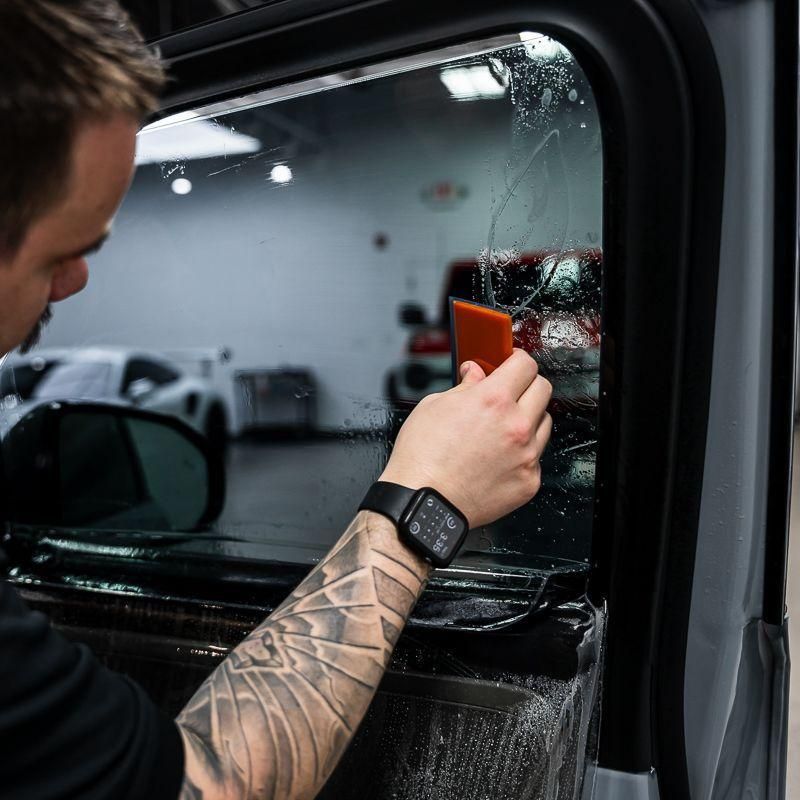
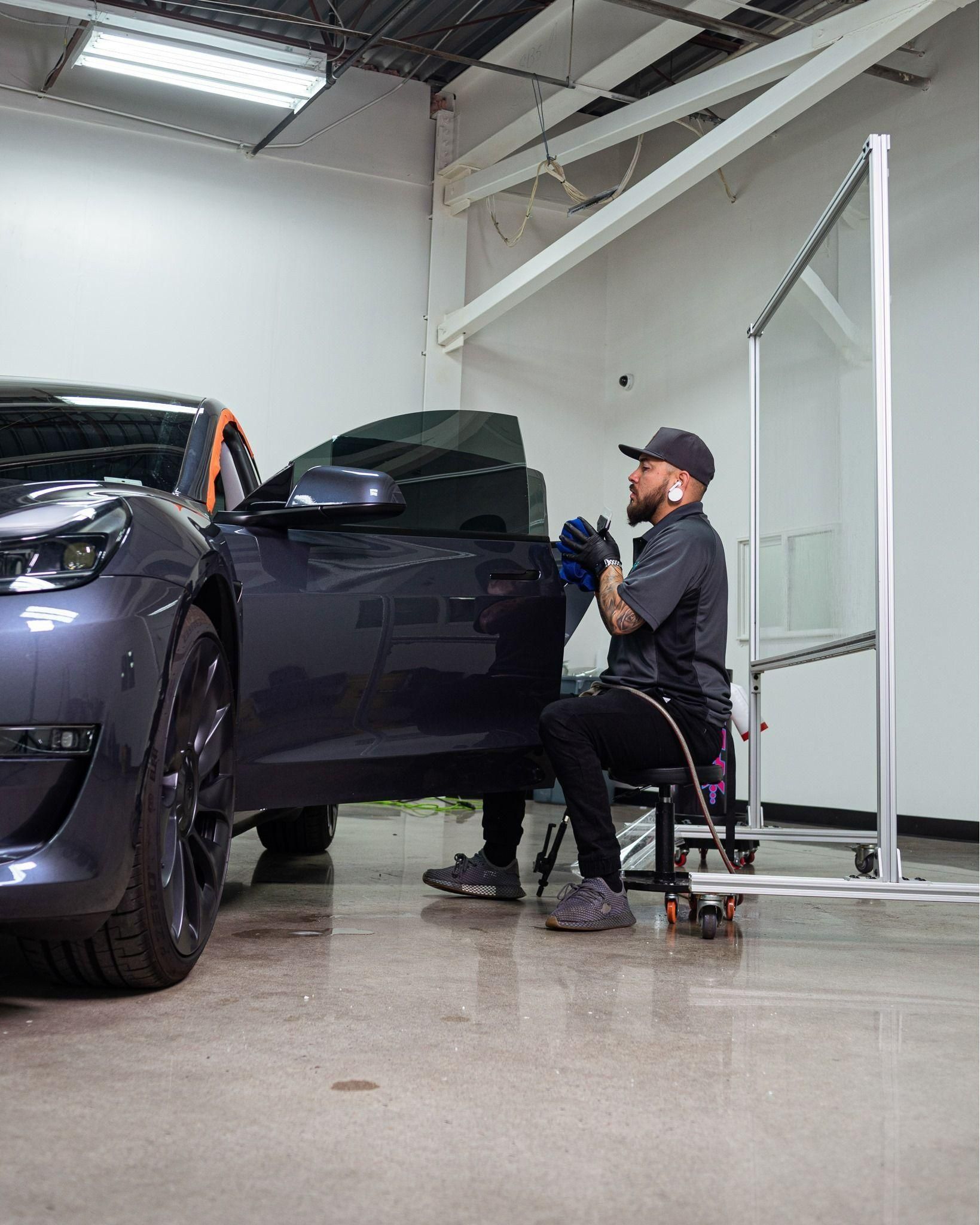
Choosing the right tint percentage does not have to be a guessing game, especially when working with an experienced local installer who understands Colorado law and real-world driving conditions. At Denver Auto Shield, clients can view physical tint samples in person, allowing them to see exactly how different percentages look and perform before committing to an installation. Our team factors in typical driving routes, time of day, and privacy preferences to recommend a tint that genuinely fits each driver's lifestyle.
Conclusion: Finding Your Ideal Balance
Ultimately, the best tint percentage for night driving visibility depends on how you weigh privacy against clarity, with most Englewood drivers finding their sweet spot somewhere between 35 and 50 percent VLT. This range consistently offers a practical middle ground, preserving enough visibility for safe night driving while still delivering meaningful privacy and daytime comfort. Legal compliance, your typical driving environment, and personal preference should all factor into this decision, rather than choosing a percentage on appearance alone. Contact us today to choose the right window tint percentage for safer night driving, improved privacy, and lasting comfort in Englewood, CO.