Is Ceramic Coating on Alloy Wheels Really Worth It?
For drivers in Englewood, CO, keeping alloy wheels clean can become a constant maintenance task. Brake dust, road grime, moisture, and chemical contaminants can quickly collect on wheel surfaces, making them look dull even after regular washing. A Ceramic Coating Alloy Wheels treatment creates a durable protective layer designed to make the surface more resistant to these everyday contaminants while improving its overall appearance. For vehicle owners who want cleaner wheels and easier maintenance, ceramic coating can provide meaningful long-term benefits. Denver Auto Shield offers ceramic coating services designed to help protect automotive surfaces while supporting a cleaner, better-maintained finish.
How Does Ceramic Coating on Alloy Wheels Reduce Brake Dust Buildup?
Brake dust is one of the most persistent contaminants alloy wheels encounter, particularly on vehicles that are driven regularly around Englewood and the surrounding Denver area. Every time the brakes are applied, microscopic particles can settle onto the wheels, where heat and repeated exposure can make them increasingly difficult to remove. Ceramic coating creates a durable surface that reduces how strongly these contaminants adhere to the wheel finish. This does not prevent brake dust from forming, but it can make routine cleaning considerably more manageable while helping the wheels maintain a cleaner appearance between washes.
Why Is Brake Dust Difficult to Remove From Alloy Wheels?
Brake dust can become especially troublesome when it remains on a wheel surface for extended periods. The combination of brake-related heat, moisture, road debris, and repeated driving conditions can cause contaminants to become firmly attached to an unprotected finish. Over time, accumulated brake dust may contribute to staining and make the wheels appear darker or less polished than intended. For Englewood drivers who rely on their vehicles for commuting and regular travel, frequent wheel cleaning can become inconvenient. Protecting the alloy surface can help reduce the amount of effort required to keep these contaminants under control.
How Does the Coating Limit Contaminant Adhesion?
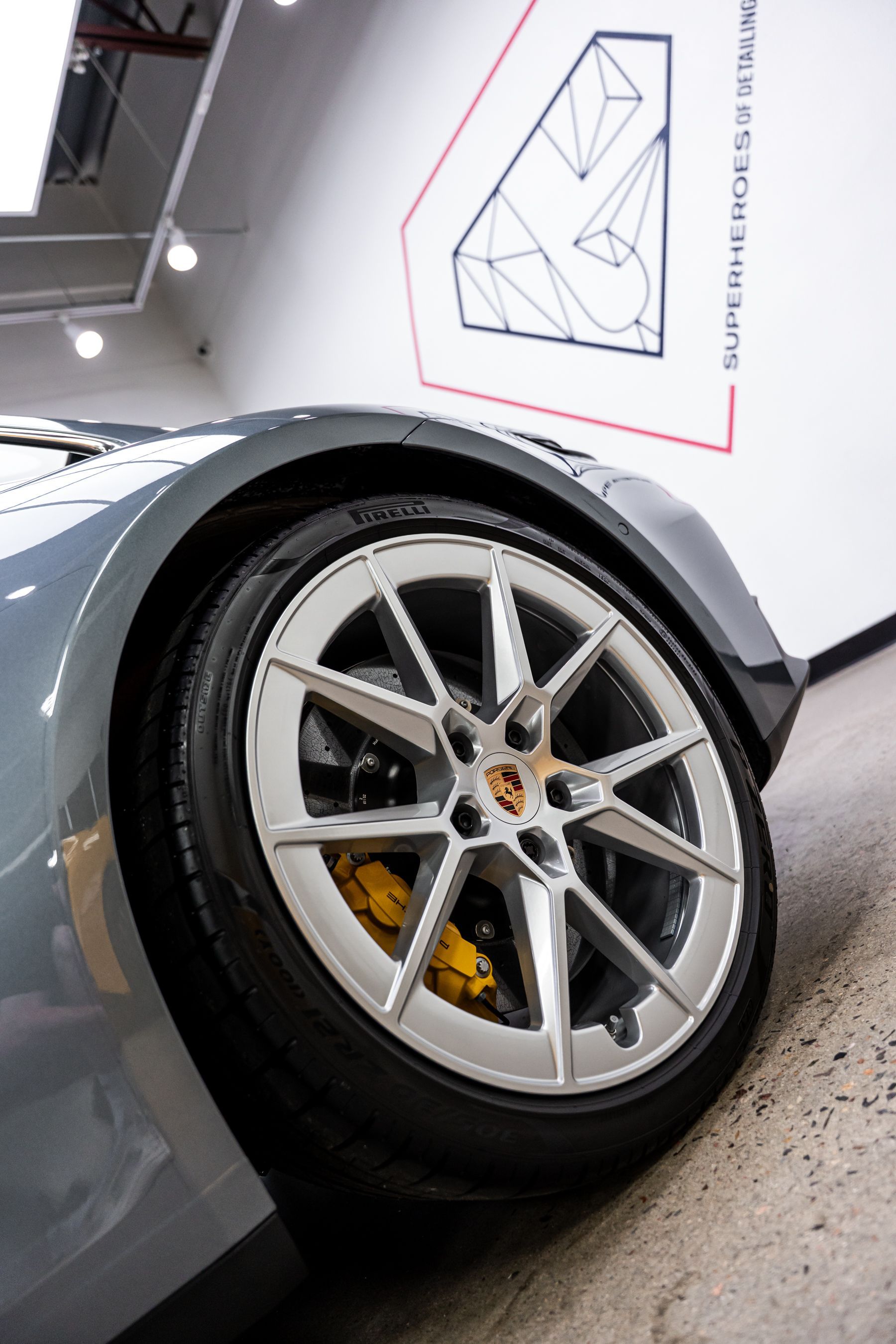
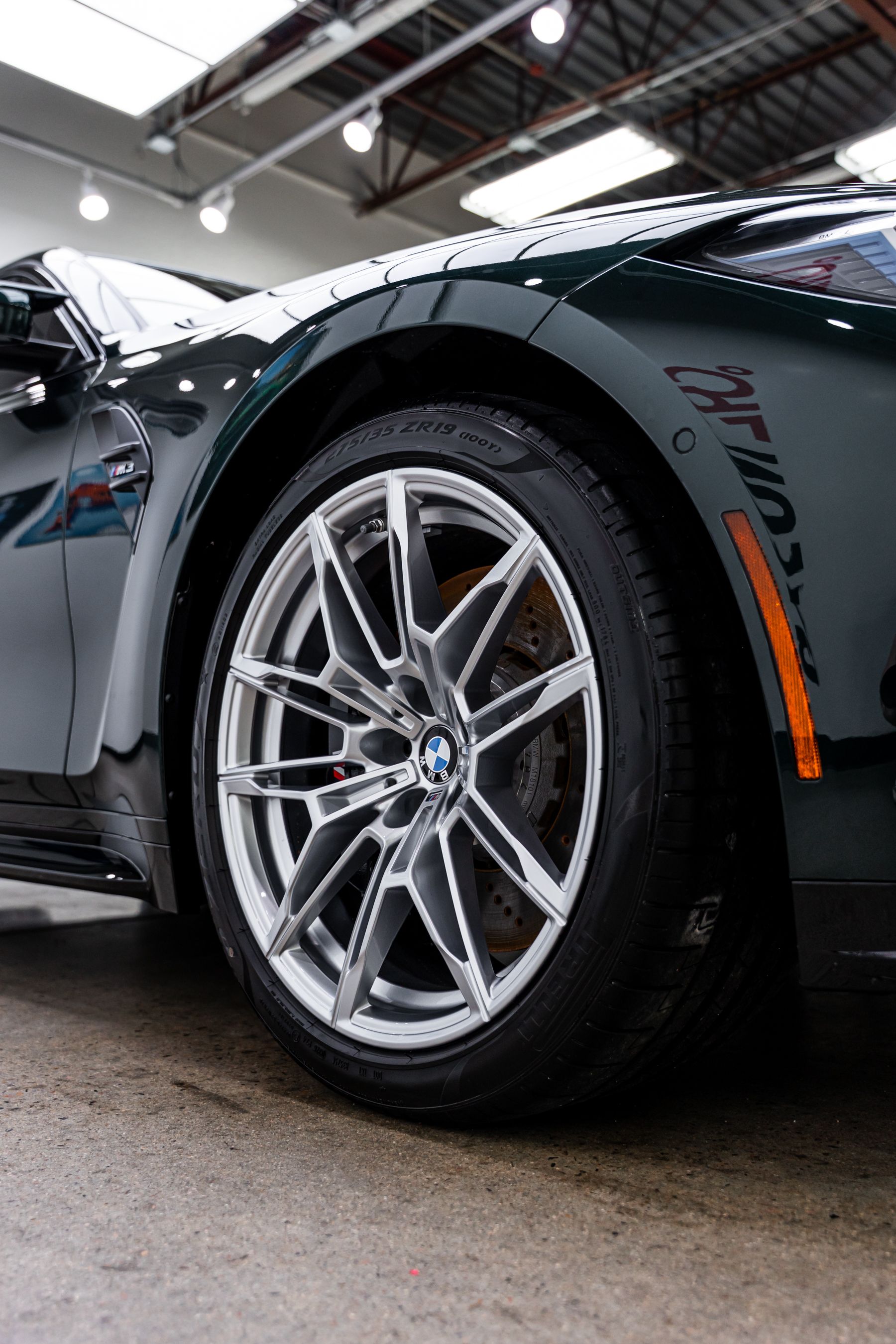
A properly applied ceramic coating forms a protective layer over the wheel's existing finish, creating a smoother and more resistant surface. Because brake dust and road grime have less opportunity to bond tightly with the treated surface, they can often be removed more easily during routine washing. This protective characteristic is particularly useful for wheels exposed to frequent braking and changing road conditions. Rather than allowing contaminants to settle directly against the wheel finish, the coating provides an additional barrier that supports easier maintenance. The result is a wheel surface that can remain cleaner with consistent care.
What Does This Mean for Routine Wheel Cleaning?
Ceramic coating does not remove the need for washing, but it can change how difficult that maintenance process becomes. When brake dust has less opportunity to bond strongly with the wheel, normal cleaning can be more effective and less labor-intensive. This can be valuable for drivers who want to maintain the appearance of their alloy wheels without repeatedly using aggressive cleaning methods. Regular washing remains important because contaminants should not be allowed to accumulate for long periods. With the added protection of ceramic coating, however, maintaining clean-looking wheels can become a more straightforward part of regular vehicle care.
How Does Ceramic Coating Improve Hydrophobic Performance on Alloy Wheels?
Hydrophobic performance is another important reason vehicle owners consider ceramic coating for their wheels. A ceramic coating can cause water to bead and move across the treated surface more readily instead of spreading across the finish and leaving contaminants behind. For alloy wheels exposed to rain, wet roads, washing water, and road grime in Englewood, this behavior can support easier maintenance. The coating's slick surface also helps reduce the tendency of dirt and other contaminants to remain firmly attached. Together, these characteristics can help alloy wheels maintain a cleaner and more attractive appearance with regular care.
How Does Hydrophobic Protection Affect Water and Contaminants?
When water encounters a hydrophobic-coated surface, it tends to form beads rather than spreading evenly across the surface. This can reduce the amount of moisture that remains in contact with the surface and can help carry loose contaminants away during washing. On an alloy wheel that regularly encounters wet roads and road spray, this added resistance can be useful for everyday maintenance. Hydrophobic performance is not a replacement for proper cleaning, but it can make the cleaning process more efficient. For vehicle owners in Englewood, it offers another layer of practical protection against the conditions wheels experience during normal driving.
Why Is Less Road Grime Adhesion Helpful?
Road grime contains a mixture of dirt, moisture, dust, and other contaminants that can quickly change the appearance of alloy wheels. When these materials adhere strongly to an unprotected finish, removing them may require more time and effort. Ceramic coating helps create a surface where contaminants have less opportunity to establish a strong bond. This can be particularly beneficial for vehicles that travel frequently through busy roads and changing weather conditions around Englewood and the greater Denver area. By reducing adhesion, the coating helps support a cleaner finish and makes regular wheel maintenance easier to manage.
Can Hydrophobic Performance Make Wheel Maintenance Easier?
The water-repelling behavior of ceramic coating can make routine washing more convenient by helping water and loose contaminants move away from the wheel surface. Instead of relying solely on repeated scrubbing to remove every trace of road grime, vehicle owners can benefit from a surface designed to resist contaminant buildup. Proper washing is still necessary, especially when brake dust accumulates after frequent driving. However, the combination of hydrophobic performance and reduced adhesion can help simplify the process. This is one reason ceramic coating can be a practical, maintenance-focused upgrade for alloy wheels.
Can Ceramic Coating Protect Alloy Wheels From Corrosion and Staining?
Alloy wheels face continuous exposure to conditions that can affect their finish, including brake dust, moisture, road grime, and chemical contaminants. If these materials remain on the surface for extended periods, they may contribute to staining or deterioration of the wheel's appearance. Ceramic coating provides a protective barrier between the wheel finish and many of these external contaminants, helping reduce direct exposure. While no coating makes a wheel completely immune to environmental damage, the added layer can support better surface protection. For Englewood vehicle owners, this can be especially useful when wheels encounter changing road and weather conditions throughout the year.
How Does Ceramic Coating Handle the Heat Generated by Braking?
Alloy wheels are exposed to substantial heat during normal braking, making heat resistance an important consideration when selecting a protective coating. A ceramic coating formulated for automotive applications is designed to provide a durable protective layer that can withstand the temperatures associated with regular driving and braking. This allows the coating to continue supporting the wheel surface rather than quickly breaking down under everyday use. For drivers in Englewood who regularly encounter stop-and-go traffic, city driving, or longer trips around the Denver area, this durability can be an important part of long-term wheel protection. The coating works as a protective surface while the wheels continue to perform their normal function.
Is Ceramic Coating on Alloy Wheels Worth the Investment?
Whether ceramic coating is worth the investment depends largely on how much value a vehicle owner places on wheel appearance, easier maintenance, and surface protection. Alloy wheels that are frequently exposed to brake dust and road grime can require consistent cleaning to remain attractive, particularly when contaminants are allowed to accumulate. A ceramic coating can reduce contaminant adhesion, provide hydrophobic performance, and create a protective barrier against staining and chemical exposure. These benefits can make routine maintenance easier while helping preserve the appearance of the wheel finish. For drivers in Englewood who want a long-term approach to wheel care rather than relying solely on frequent intensive cleaning, ceramic coating can be a worthwhile investment.
What Should You Consider Before Ceramic Coating Alloy Wheels?
The condition of the alloy wheels should be considered before any
ceramic coating application. Proper preparation is important because dirt, brake dust, stains, and other surface contaminants can affect how effectively the coating bonds with the wheel. Applying a protective coating over a poorly prepared surface can limit the quality and longevity of the finished result. Vehicle owners should also understand that ceramic coating is designed to support maintenance, not eliminate it completely. Regular cleaning remains necessary to remove accumulated contaminants and preserve the coated surface. Choosing a professional service such as Denver Auto Shield can help ensure that the wheels receive appropriate preparation and coating as part of a complete ceramic protection process.

How Can Ceramic Coating Help Maintain Alloy Wheels in Englewood, CO?
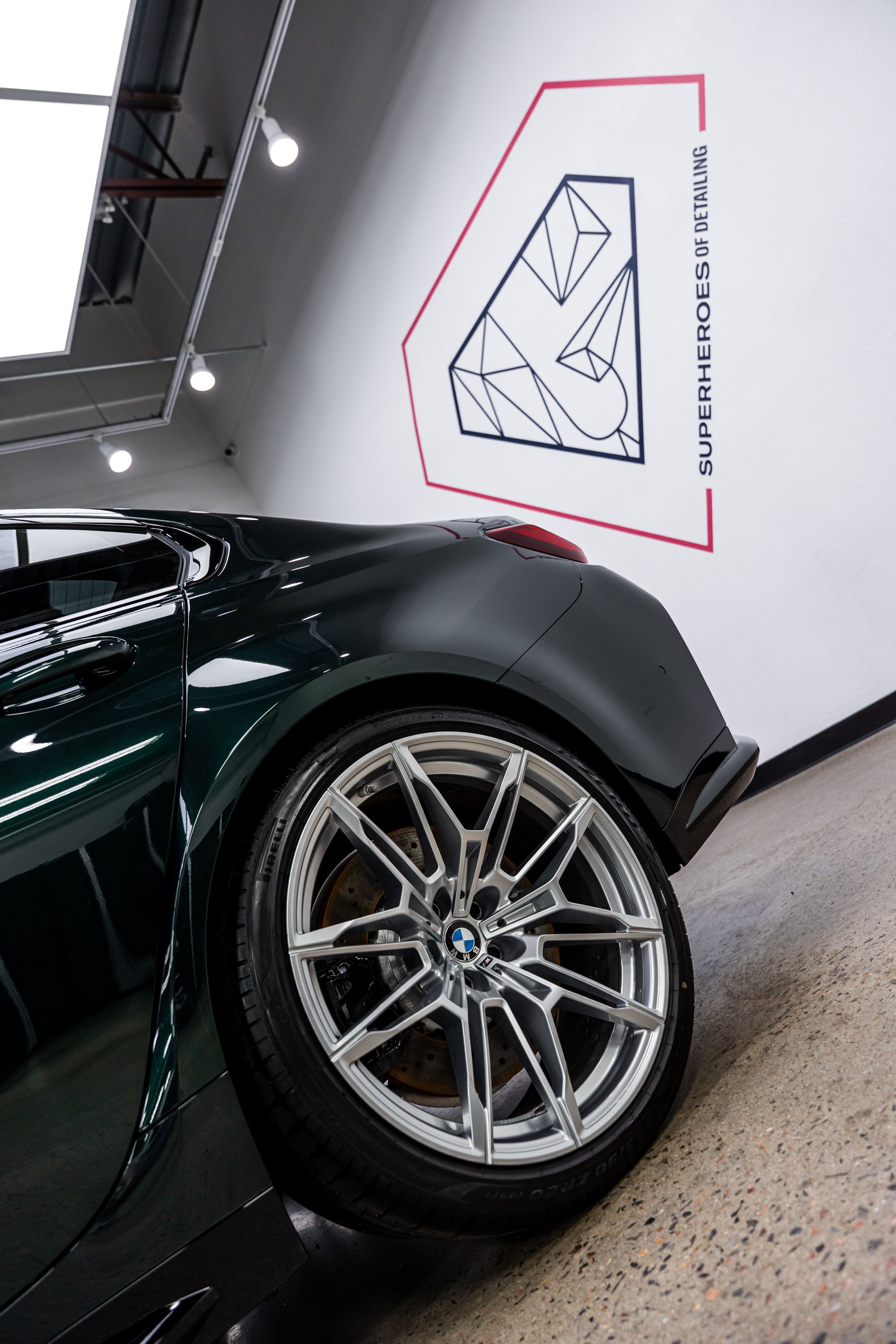
For vehicle owners throughout Englewood, CO, alloy wheels are exposed to the same everyday challenges that affect other exterior vehicle surfaces, including road grime, moisture, brake dust, and chemical contaminants. Ceramic coating offers a practical way to add a durable protective layer while improving hydrophobic performance and reducing contaminant adhesion. Its heat-resistant characteristics also make it suitable for wheels that experience repeated braking during everyday driving. When combined with consistent cleaning and appropriate maintenance, ceramic coating can help support a cleaner-looking wheel finish for longer. Denver Auto Shield provides ceramic coating services for vehicle owners looking to add professional protection to their automotive surfaces.
A Practical Protection Option for Alloy Wheels
Ceramic coating on alloy wheels can offer more than an improved appearance. By creating a durable, heat-resistant protective layer, it helps reduce the strength with which brake dust and road grime adhere to the wheel surface while providing hydrophobic properties that can make routine cleaning easier. The coating also adds a layer of defense against staining, corrosion, moisture, and chemical exposure associated with everyday road conditions. For drivers in Englewood, CO, these benefits can make wheel maintenance more convenient while supporting the long-term appearance of the vehicle. If you are considering Ceramic Coating Alloy Wheels, Denver Auto Shield can help you choose a professional ceramic coating solution suited to your vehicle's protection and maintenance needs. For professional ceramic coating alloy wheel protection in Englewood, CO,
contact us today to schedule your ceramic coating service.