Common Mistakes to Avoid When Installing Paint Protection Film
Paint protection film is a popular solution for preserving a vehicle’s exterior against road debris, rock chips, minor scratches, and other everyday hazards. Many vehicle owners in Centennial, CO, choose this protective layer to maintain the appearance and value of their cars for years to come. However, achieving the full benefits of paint protection film depends heavily on proper installation. Even premium materials can fail to perform as expected when installation errors occur. Understanding common PPF installation mistakes can help vehicle owners make informed decisions and appreciate the value of professional installation services from Denver Auto Shield.
Inadequate Surface Preparation Leads to Poor Adhesion
Surface preparation is one of the most important stages of any paint protection film installation. The film relies on a clean and properly prepared surface to bond effectively and provide long-lasting protection. When preparation is rushed or overlooked, contaminants and paint defects can interfere with adhesion and affect the overall appearance of the finished installation. Many of the most common PPF installation mistakes begin before the film is even applied, making preparation a critical step for achieving professional results.
Failing to Remove Dirt, Wax, and Contaminants
Dust, road grime, wax residue, grease, and other contaminants can create serious issues when trapped beneath paint protection film. Even tiny particles that are difficult to see may become highly noticeable after installation, creating bumps and imperfections that affect the film’s appearance. These contaminants can also weaken the adhesive bond and increase the likelihood of lifting or peeling over time. Professional installers use specialized cleaning techniques and decontamination processes to ensure the vehicle’s surface is completely clean before the film is applied.
Overlooking Paint Imperfections Before Installation
Paint protection film protects the existing finish, but it does not conceal minor scratches, swirl marks, oxidation, or paint chips that are already present. In many cases, these imperfections become even more visible once the film is installed. Failing to address paint defects beforehand can lead to disappointing results and reduce the visual appeal of the vehicle. Professional installers carefully inspect the paint and may recommend correction services to create the smooth surface needed for optimal film performance and appearance.
Incorrect Film Alignment and Placement
Proper alignment is essential for ensuring that paint protection film provides complete coverage while maintaining a clean, nearly invisible appearance. Every section of film must be carefully positioned to fit the contours of the vehicle and protect the areas most vulnerable to damage. Even minor placement errors can affect both the aesthetics and effectiveness of the installation. Precision and attention to detail are necessary to achieve seamless results that blend naturally with the vehicle’s finish.
When the film is misaligned, exposed edges and uncovered sections may leave portions of the paint vulnerable to road debris and environmental damage. Uneven placement can also create visible seams that detract from the overall appearance of the vehicle. Some installers attempt to compensate for alignment mistakes by overstretching the material, which can reduce durability and increase the risk of future lifting. Professional installation helps ensure accurate placement and consistent coverage across every panel.
Using Low-Quality Paint Protection Film Materials
The quality of the film itself plays a major role in determining how well it protects a vehicle over time. While lower-cost alternatives may initially appear attractive, they often lack the durability, clarity, and advanced protective features found in premium products. Selecting inferior materials is one of the most preventable PPF installation mistakes and can result in disappointing long-term performance. Investing in high-quality film provides better protection and helps maintain the vehicle’s appearance for years.
Low-quality paint protection films are more likely to discolor, crack, peel, or lose their transparency after prolonged exposure to sunlight and changing weather conditions. Some products also lack self-healing technology, making minor scratches and swirl marks more noticeable. Vehicle owners who choose premium film products benefit from improved durability, greater optical clarity, and longer-lasting protection. Denver Auto Shield uses high-quality paint protection film designed to withstand Colorado’s demanding driving conditions.
Improper Use of Installation Solutions
Paint protection film installation requires specialized solutions that allow the film to be positioned correctly before the adhesive forms a secure bond with the paint. These solutions play a critical role in achieving a smooth finish and proper adhesion. However, incorrect usage can create a variety of problems that affect both the appearance and longevity of the film. Understanding how these solutions work is essential for a successful installation process.
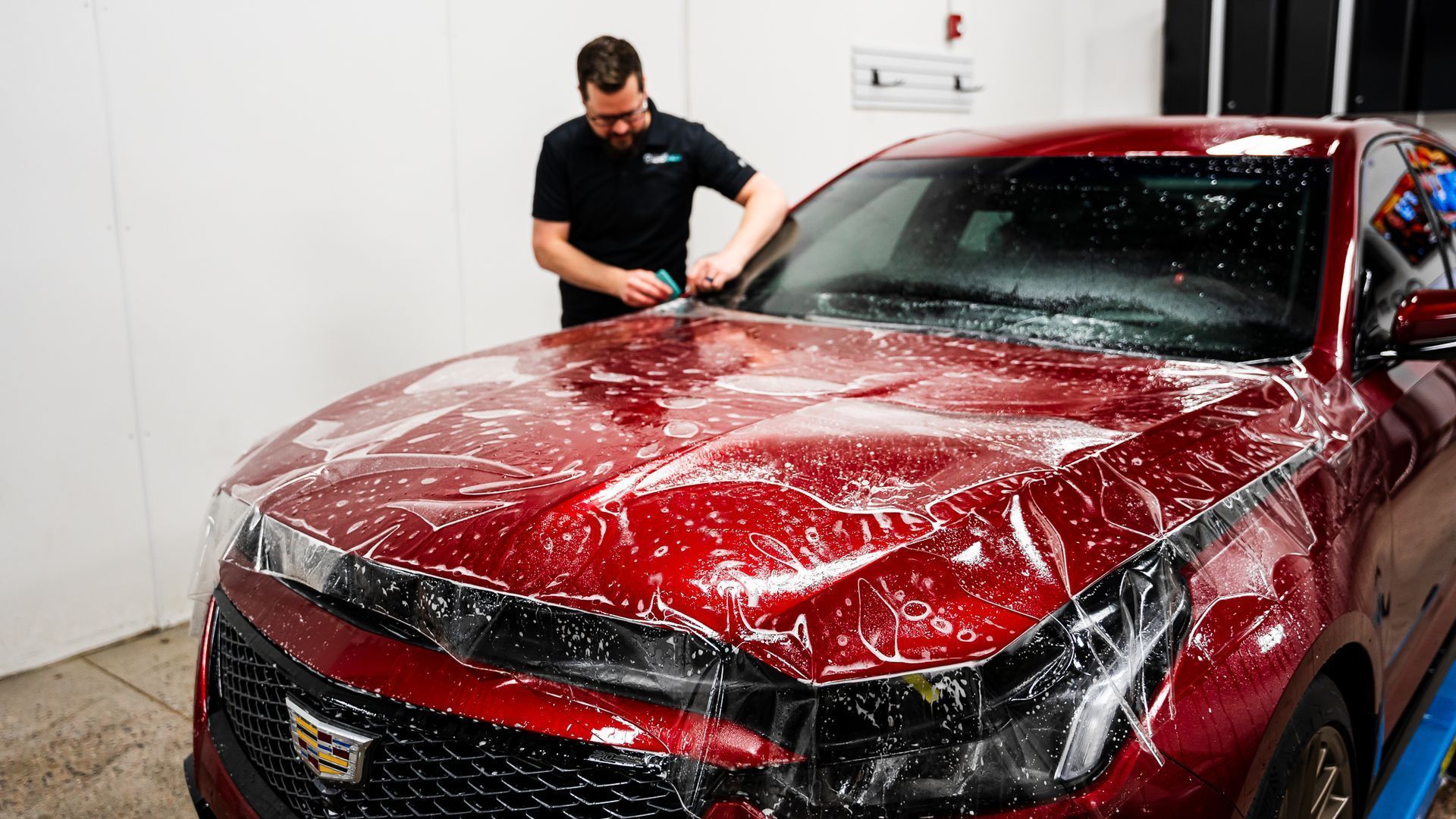
Using excessive amounts of installation solution can trap moisture beneath the film and significantly extend curing times. On the other hand, an insufficient solution may cause the film to stick too quickly, making adjustments difficult and increasing the risk of wrinkles or stretching. Achieving the right balance requires experience and an understanding of how environmental conditions influence the installation process. Professional technicians have the training necessary to apply the correct amount of solution for optimal results.
Air Bubbles and Moisture Trapped Beneath the Film
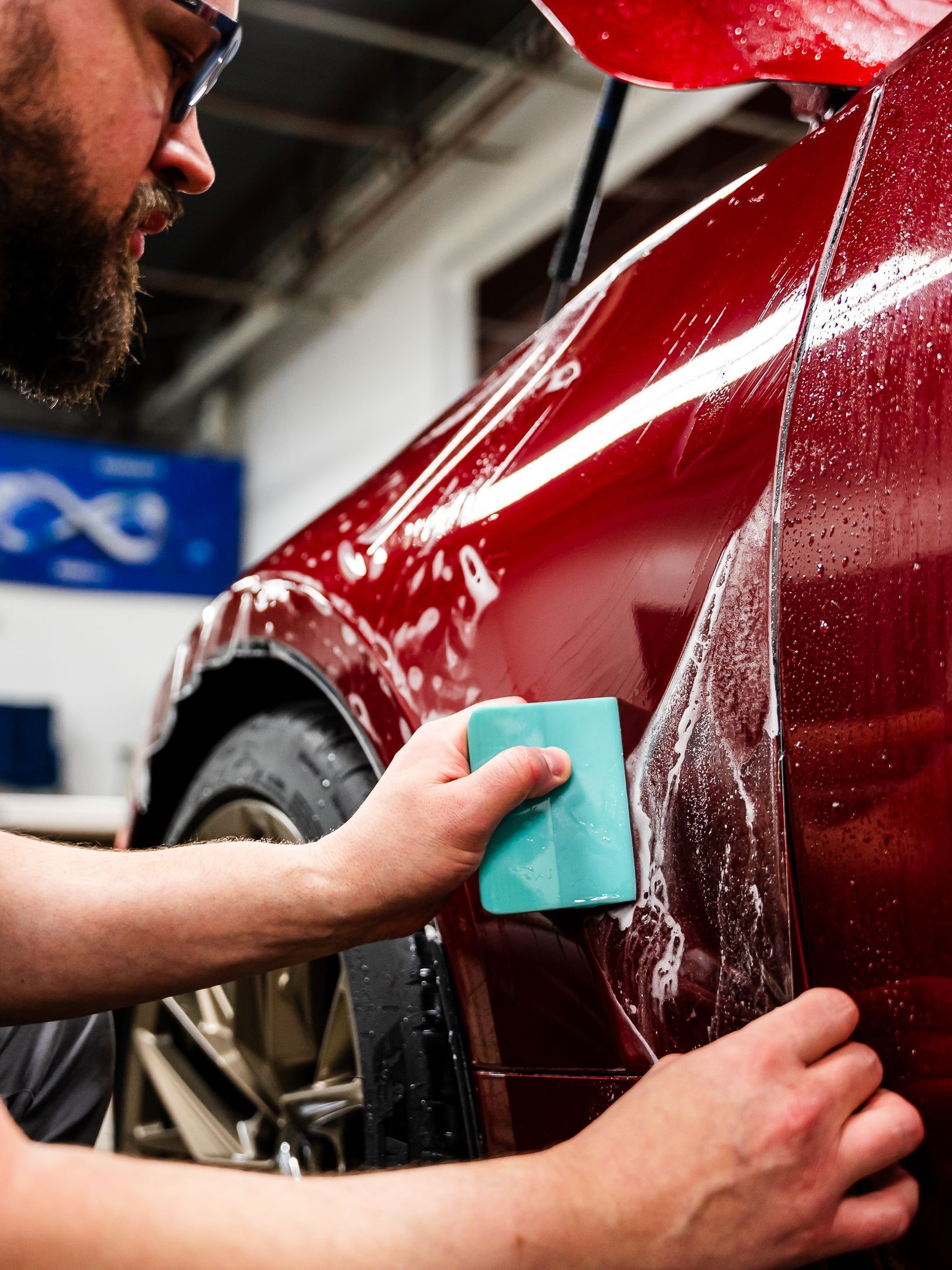
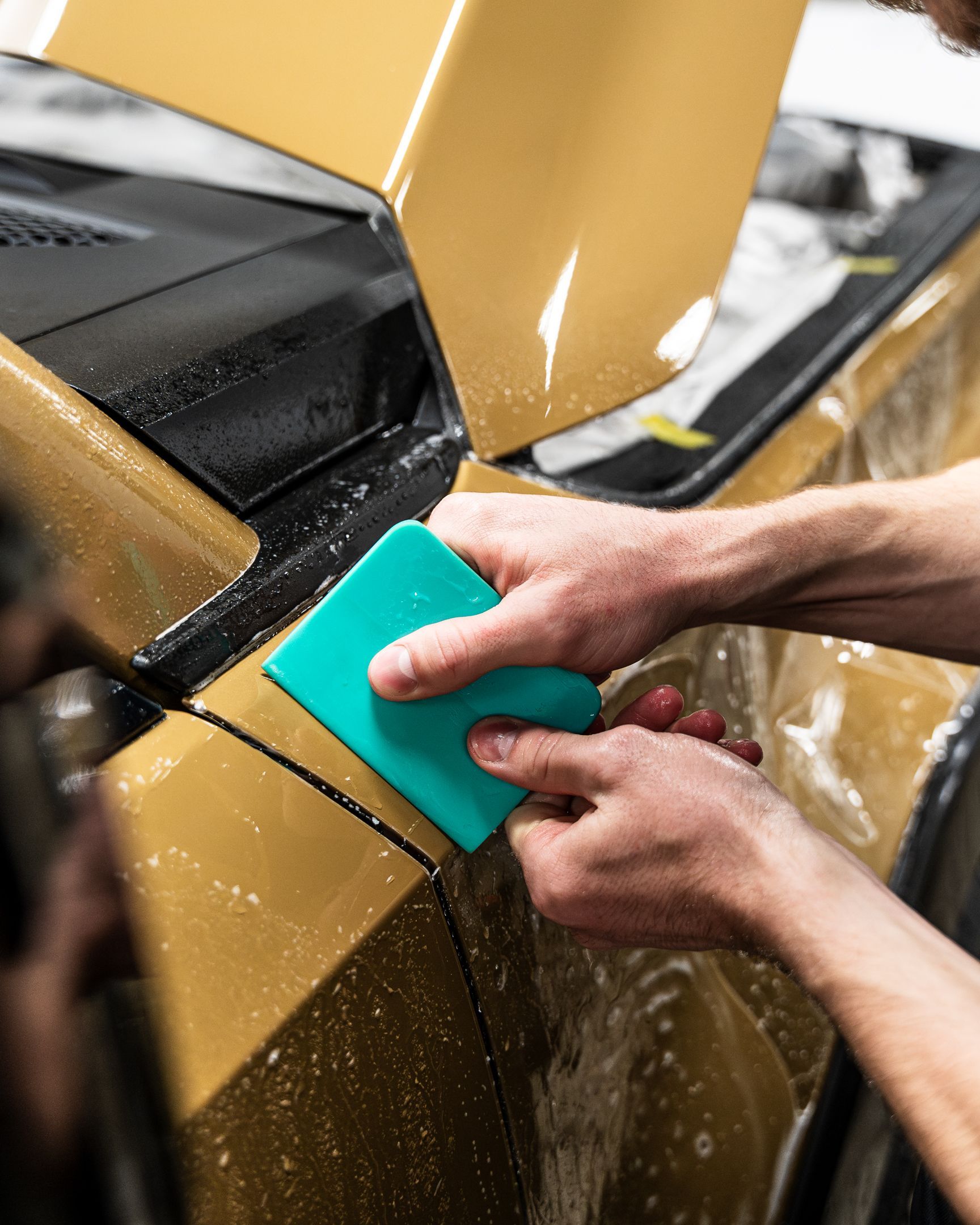
A properly installed paint protection film should appear smooth and nearly invisible after the curing process is complete. Air bubbles and trapped moisture are among the most noticeable signs of an installation problem and can negatively affect both appearance and performance. These issues often result from improper application techniques or rushing through critical steps during installation. Careful attention is necessary to eliminate imperfections and ensure a professional finish.
Air pockets that remain beneath the film can create visible blemishes and may weaken adhesion in affected areas. Excess moisture trapped during installation can also interfere with the bonding process and prolong curing times. While some minor moisture may dissipate naturally, larger pockets often remain visible and compromise the final result. Professional installers use specialized tools and proven techniques to remove air and moisture effectively throughout the application process.
Cutting Errors That Can Damage
Vehicle Paint
Trimming paint protection film to match vehicle panels requires skill, precision, and the proper tools. While this step may appear straightforward, mistakes made during cutting can have lasting consequences for the vehicle’s finish. Improper cutting techniques are among the most serious PPF installation mistakes because they can directly damage the paint that the film is intended to protect. Careful execution is essential to avoid costly repairs.
Some inexperienced installers cut film directly on the vehicle’s surface, increasing the risk of accidental scratches or scoring. Even minor cuts can compromise the integrity of the paint and diminish the vehicle’s value. Professional installation facilities often rely on computer-generated templates and pre-cut patterns that minimize the need for trimming directly on the vehicle. This approach helps preserve the original finish while ensuring precise and consistent coverage.
Rushing the Installation Process
Installing paint protection film is a detailed procedure that requires patience and attention to detail at every stage. Attempting to complete the process too quickly often results in errors that affect both the appearance and durability of the film. While faster installation may seem convenient, rushing frequently leads to problems that become apparent shortly after the vehicle is returned to the owner. Taking the necessary time helps ensure a higher-quality result.
When installers rush through preparation, positioning, moisture removal, or edge sealing, important details can be overlooked. This may lead to trapped contaminants, visible imperfections, lifting edges, or reduced adhesion. Every panel requires careful inspection and adjustment to achieve a seamless appearance and reliable protection. Professional installers understand that quality workmanship cannot be rushed and prioritize accuracy throughout the installation process.
Ignoring Environmental Conditions During Installation
The environment in which paint protection film is installed has a significant impact on the outcome. Factors such as temperature, humidity, dust levels, and lighting conditions can all influence how the film adheres and cures. Failing to control these variables may increase the likelihood of installation defects and reduce long-term performance. Maintaining the proper environment is an important part of delivering professional results.
Dusty surroundings can introduce contaminants that become trapped beneath the film, while extreme temperatures may affect adhesive performance and flexibility. High humidity can interfere with curing and increase the risk of moisture-related issues.
Professional installation facilities are designed to provide clean, climate-controlled environments that support precise application and consistent results. These controlled conditions help ensure the film performs as intended from the moment it is installed.
Why Professional Installation Helps Avoid Common PPF Installation Mistakes
Many of the issues associated with paint protection film installation can be avoided by working with experienced professionals. Professional installers possess the knowledge, tools, and training needed to manage every stage of the process effectively. From preparing the surface and selecting quality materials to positioning the film and ensuring proper curing, expertise plays a critical role in achieving long-lasting protection. Choosing professional installation reduces risk and helps maximize the value of the investment.
At Denver Auto Shield, every installation is completed with attention to detail and a commitment to quality workmanship. Experienced technicians understand how to prevent common PPF installation mistakes and deliver results that enhance both protection and appearance. By combining premium materials with proven installation techniques, Denver Auto Shield helps vehicle owners in Centennial, CO, enjoy durable protection and confidence on the road.
Protect Your Vehicle with Expert PPF Installation
Paint protection film can provide outstanding protection against many of the hazards vehicles face every day, but its effectiveness depends on proper installation. Common PPF installation mistakes, such as inadequate preparation, poor alignment, low-quality materials, and rushed application, can significantly reduce performance and longevity. Understanding these risks helps vehicle owners appreciate the importance of professional workmanship and quality materials.
For drivers throughout Centennial, CO, professional installation offers the best opportunity to achieve a smooth, durable, and nearly invisible protective finish. Denver Auto Shield provides expert paint protection film services designed to preserve the appearance and value of your vehicle for years to come. By trusting experienced professionals, vehicle owners can enjoy lasting protection and peace of mind every time they get behind the wheel. Looking for professional paint protection film installation in Centennial, CO?
Contact us today to schedule a consultation and protect your vehicle with high-quality PPF solutions designed for long-lasting performance and a flawless finish.