How Long Does Ceramic Coating Actually Take to Cure, and Why Does It Matter?
Ceramic coating is a valuable investment for vehicle owners who want to preserve their paint, maintain a glossy appearance, and reduce the effects of daily environmental exposure. While the application process often receives the most attention, the time required for the coating to cure plays an equally important role in determining its long-term performance. The ceramic coating curing time influences how well the coating bonds to the paint and develops its protective properties. Understanding this process helps vehicle owners avoid common mistakes and ensures they receive the maximum benefits from their ceramic coating. At Denver Auto Shield, professional ceramic coating services in Englewood, CO, are completed with careful attention to both application and curing so customers can enjoy reliable, long-lasting vehicle protection.
Understanding Ceramic Coating Curing Time
Applying a ceramic coating is only the first step toward creating a durable layer of protection for your vehicle. After the coating is installed, it must go through a curing process that allows it to chemically bond with the paint and gradually reach its intended hardness. Although the surface may appear dry shortly after installation, the coating continues strengthening beneath the surface for several days. Following the recommended ceramic coating curing time is essential because it allows the coating to develop the durability, gloss, water repellency, and resistance that make it an effective long-term solution for protecting your vehicle's finish.
Initial Drying vs. Full Chemical Cure
Many vehicle owners assume the coating is completely finished once it feels dry, but initial drying and full chemical curing are two different stages. Initial drying occurs when the carrier solvents evaporate from the surface, making the coating safe from light contact after several hours. Full chemical curing continues well beyond this stage as the coating forms strong molecular bonds with the vehicle's clear coat. During this period, the coating gradually reaches its maximum hardness, develops improved chemical resistance, and strengthens its ability to repel water and contaminants. Interrupting this process by exposing the vehicle to moisture or harsh conditions too early may reduce the coating's long-term effectiveness.
Typical Ceramic Coating Curing Timeline
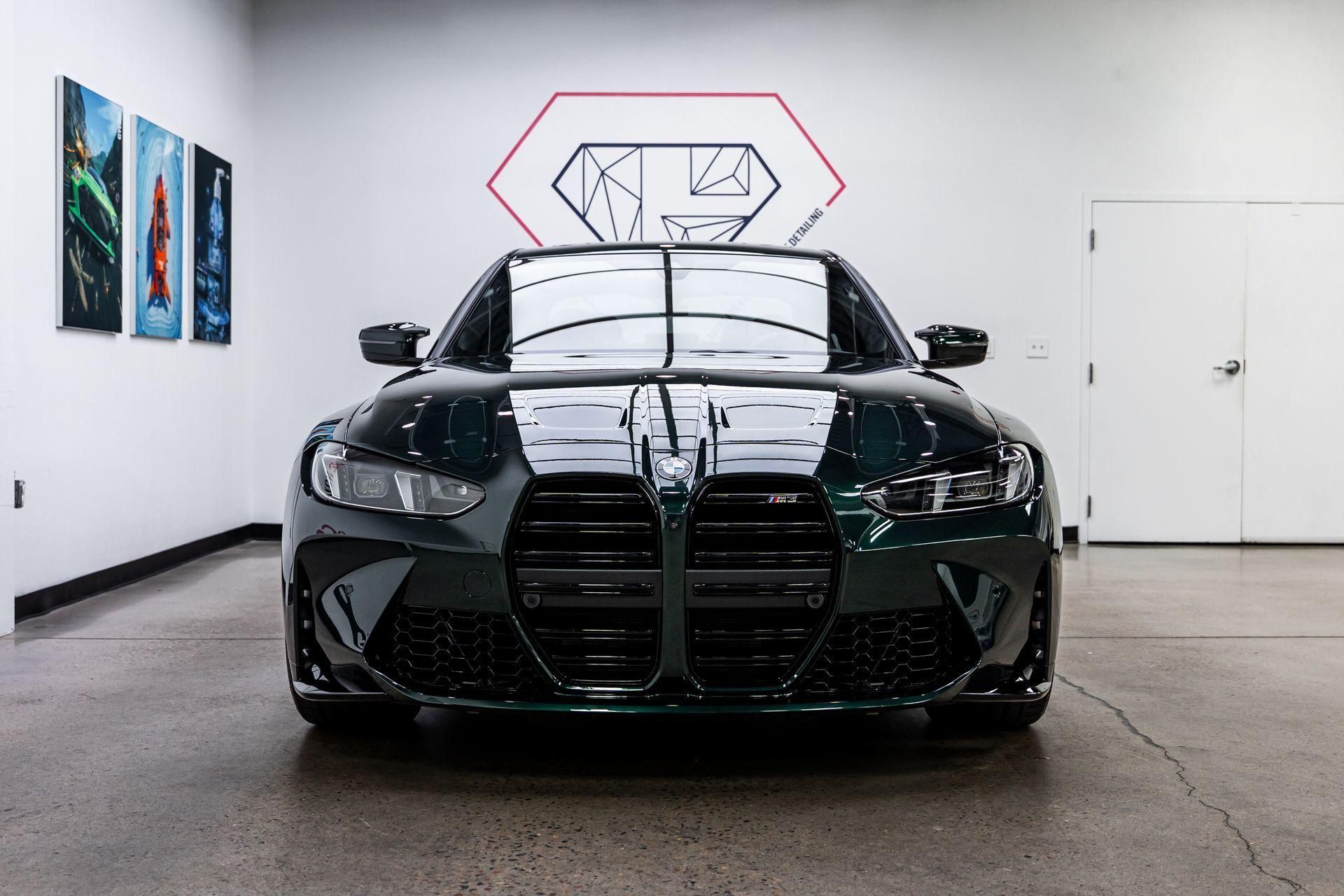
The exact ceramic coating curing time depends on the product being used and the surrounding environmental conditions, but most professional-grade coatings follow a similar schedule. The coating usually becomes surface dry within the first 12 to 24 hours, allowing limited handling under controlled conditions. Partial curing continues over the next several days, while complete chemical curing generally takes five to seven days, although certain premium coatings may require additional time to achieve full performance. During this period, installers recommend avoiding rain, washing, chemicals, and unnecessary exposure to contaminants so the coating can fully bond and provide the highest level of protection possible.
Environmental Conditions That Affect Ceramic Coating Curing
Environmental conditions have a direct impact on how efficiently ceramic coating cures after application, making them an important part of achieving long-lasting results. Factors such as temperature, humidity, airflow, and weather exposure influence the chemical reactions that occur during curing and determine how effectively the coating bonds to the vehicle's paint. Professional installers carefully manage these conditions to help ensure consistent performance and reduce the possibility of curing problems that could affect durability or appearance.
Temperature, Humidity, and Ventilation
Temperature plays a significant role in the curing process because ceramic coatings perform best within specific temperature ranges recommended by the manufacturer. Cooler conditions may slow the curing process, while excessive heat can accelerate solvent evaporation before proper bonding occurs. Humidity is equally important because excessive moisture in the air may interfere with the coating's ability to harden evenly across the paint surface. Proper ventilation helps remove evaporating solvents while reducing the likelihood of dust and airborne particles settling onto the fresh coating. This is why professional facilities like Denver Auto Shield use controlled indoor environments to help create ideal curing conditions for every vehicle.
Why Weather Exposure During Curing Should Be Avoided
Fresh ceramic coating remains vulnerable during the early stages of curing, making protection from weather an important part of the installation process. Rain, heavy dew, and sprinkler systems can introduce moisture before the coating has fully hardened, potentially affecting its appearance and performance. Dust, pollen, and airborne contaminants may also settle on the uncured surface, while prolonged exposure to direct sunlight can create uneven surface temperatures that influence the curing process. Keeping the vehicle indoors or in a protected area throughout the recommended ceramic coating curing time helps ensure the coating develops evenly and delivers the long-term gloss, durability, and protection that vehicle owners expect.
Why Proper Curing Matters for Long-Term Protection
Allowing ceramic coating to complete its full curing process is essential for achieving the long-lasting protection and appearance that vehicle owners expect. While the coating begins bonding immediately after application, it needs sufficient time to develop its maximum hardness and protective capabilities. Once the recommended ceramic coating curing time has passed, the coating forms a durable barrier that helps defend the paint against UV rays, oxidation, environmental contaminants, water spots, and minor surface imperfections. The fully cured coating also delivers stronger hydrophobic performance, making water, dirt, and road grime easier to remove while preserving a deep, glossy finish that enhances the vehicle's overall appearance for years. At Denver Auto Shield, every ceramic coating service in Englewood, CO, is completed with careful attention to proper curing because this final stage directly contributes to the coating's long-term durability and performance.
Common Mistakes That Can Interrupt the Curing Process
Even a professionally installed ceramic coating can fail to perform at its highest level if the curing process is interrupted during the first several days after application. Washing the vehicle too soon, exposing it to rain or sprinkler systems, parking beneath trees where sap or bird droppings may fall, or applying waxes and detailing sprays before the coating has fully cured can all interfere with the chemical bonding process. Driving through severe weather immediately after installation may also introduce contaminants that affect the developing coating. Following the aftercare recommendations provided by experienced installers helps prevent these issues and allows the coating to cure properly, ensuring it reaches its intended level of hardness, chemical resistance, and long-lasting gloss.
Professional Installation Helps Ensure Proper Ceramic Coating Curing Time
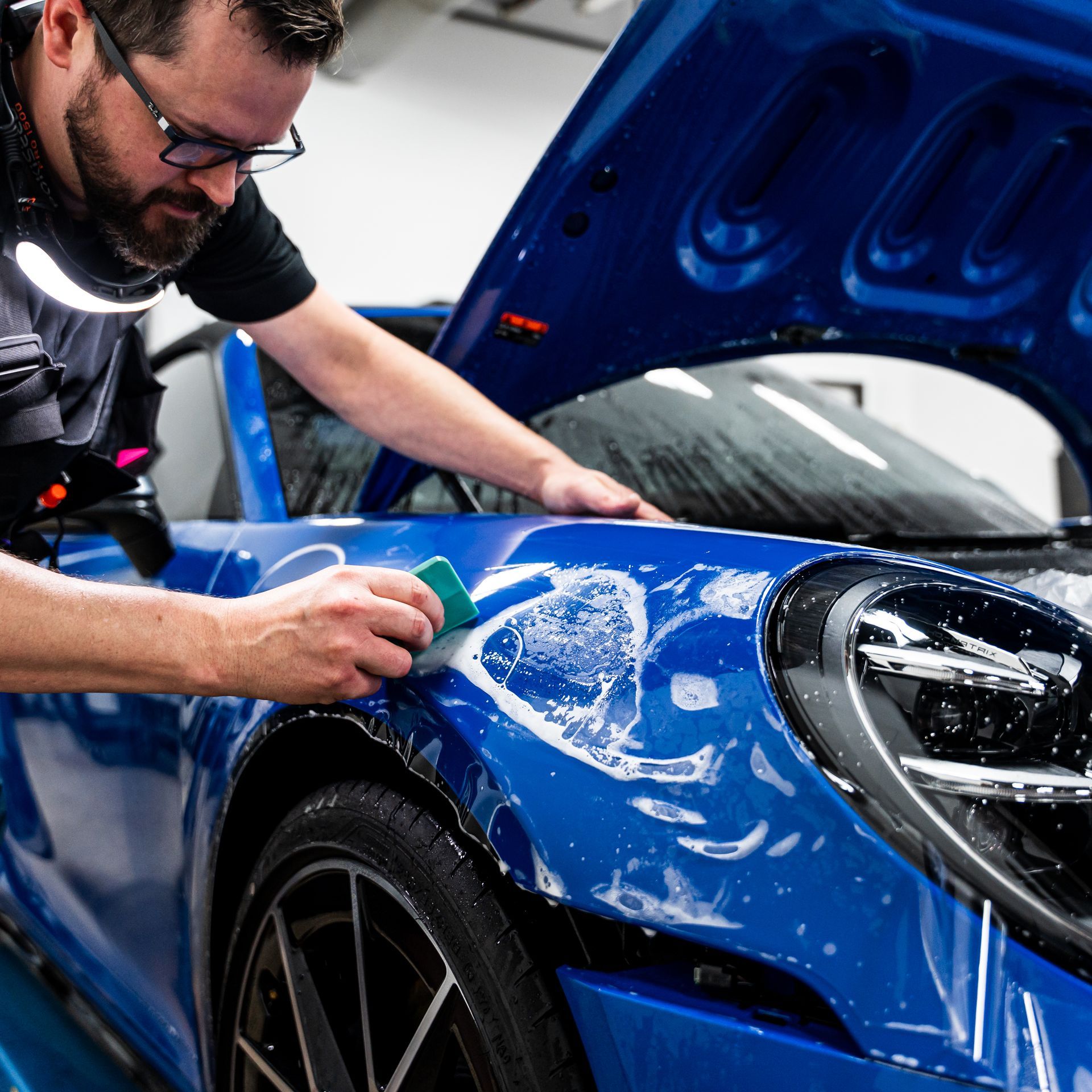
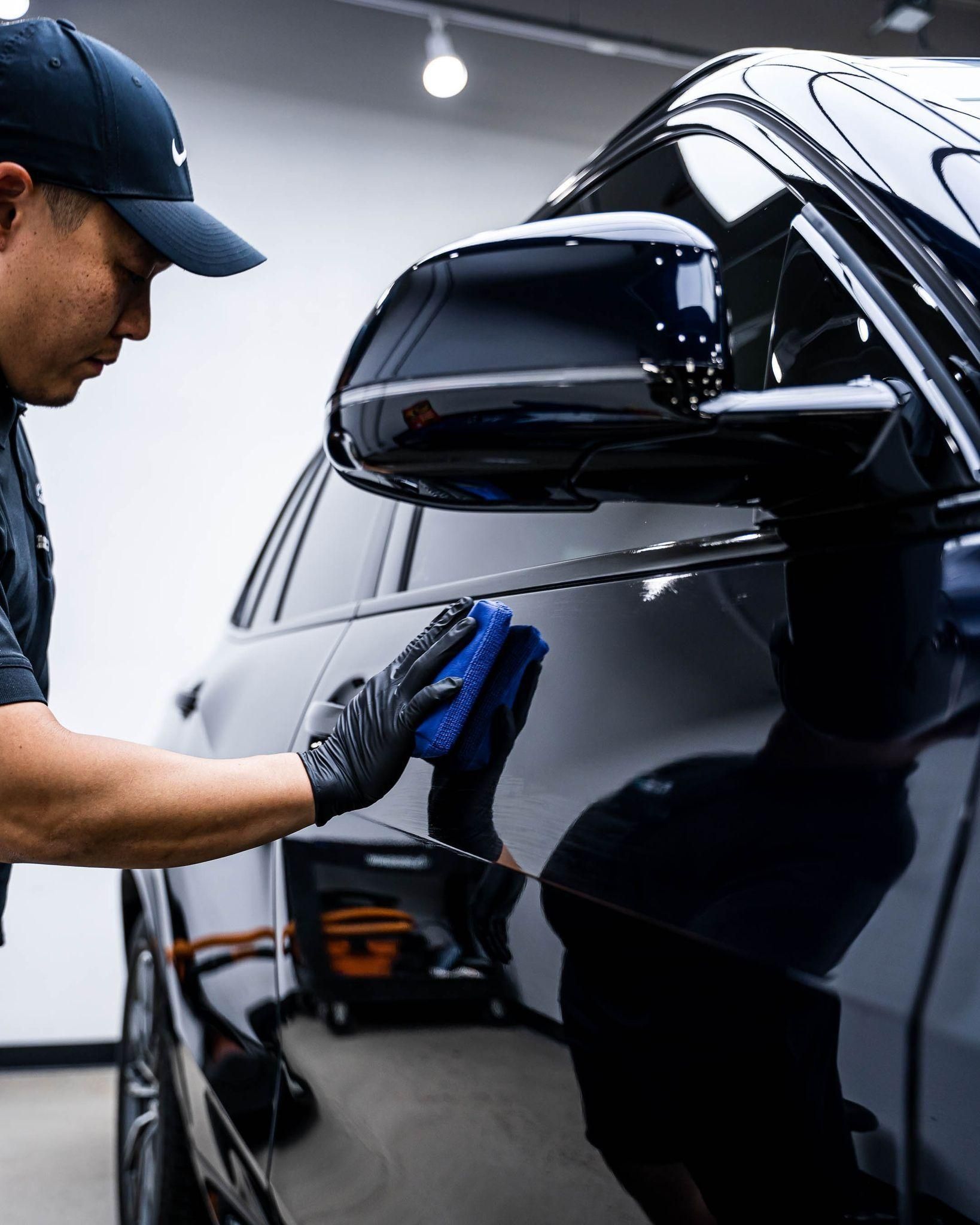
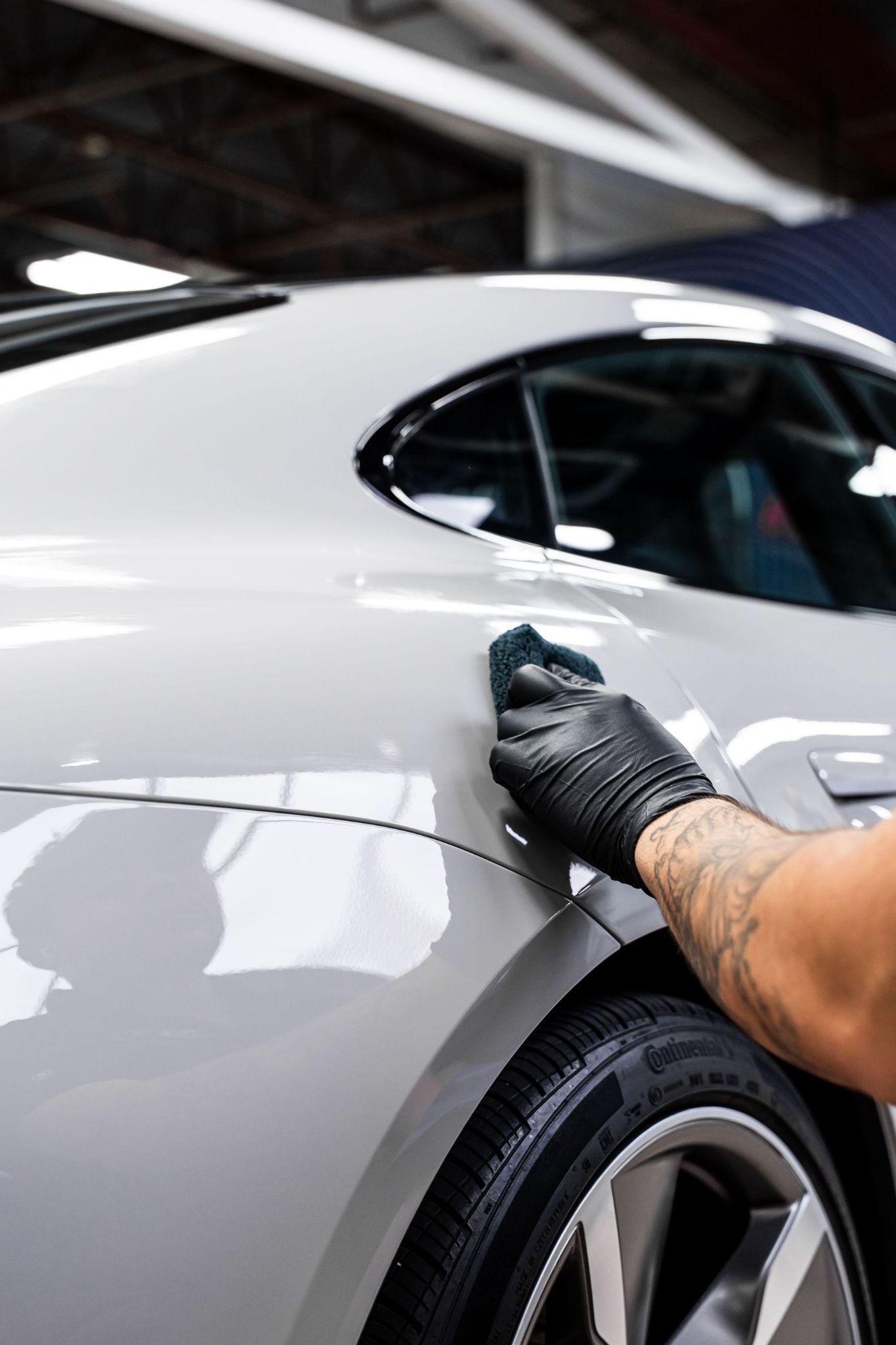
Professional installation plays an important role in achieving consistent ceramic coating results because proper curing begins long before the coating is applied. At Denver Auto Shield, technicians carefully prepare the vehicle's paint by removing contaminants and correcting surface imperfections to create the ideal foundation for coating adhesion. The coating is then applied in a clean, climate-controlled environment where temperature, humidity, and ventilation can be managed throughout the curing process. This professional approach helps reduce the risk of contamination while allowing the coating to bond evenly with the paint. Customers also receive clear aftercare guidance so they understand how to protect their vehicle throughout the ceramic coating curing time, ensuring the coating delivers maximum durability, long-lasting shine, and dependable protection against everyday driving conditions in Englewood, CO.
Get the Most Out of Your Ceramic Coating
Achieving outstanding results from ceramic coating depends not only on expert application but also on allowing the coating to complete its full curing process without interruption. Giving the coating enough time to develop its maximum hardness and protective qualities ensures better resistance to UV rays, contaminants, moisture, and minor surface wear while maintaining a beautiful gloss that lasts for years. If you are looking for professional ceramic coating services in Englewood, CO, Denver Auto Shield provides expert installation, controlled curing conditions, and reliable aftercare guidance to help protect your vehicle and maximize the long-term value of your investment. Ready to protect your vehicle with a professionally installed ceramic coating?
Contact us today to schedule your ceramic coating service in Englewood, CO, and enjoy long-lasting gloss, durability, and reliable paint protection.