How Self-Healing PPF Works and Why It's Worth the Upgrade for Your Vehicle
If you've ever stared down a fresh scratch on your car and wondered how to make it disappear, you're not alone. Keeping your vehicle's paint flawless can feel like a full-time job, especially with the daily bumps and scrapes that come with Denver driving. That's where self-healing paint protection film (PPF) steps in as a smart upgrade that doesn't just block damage but actually repairs itself when warmed by sunlight or water. This clever film acts like giving your car an invisible shield that quietly fixes small scratches on its own, saving you time and money while preserving that showroom shine you want to maintain.
Self-healing paint protection film utilizes a specialized elastomeric polyurethane topcoat that softens and reflows when exposed to heat sources like sunlight or warm water, allowing minor scratches and swirl marks to disappear within minutes to days. Upgrading to self-healing PPF is worthwhile, as it maintains your vehicle's pristine appearance by automatically repairing everyday wear and tear, protecting against rock chips and debris, preserving paint gloss, and ultimately saving you from costly repainting or detailing in the long run.
The Technology Behind Self-Healing Paint Protection
At the core of self-healing PPF lies a clever combination of materials and design that work together to repair minor surface damage almost invisibly. Unlike traditional films that act simply as a shield, these advanced films are engineered to actively respond to scratches through their unique polymer structure. This means that instead of a scuff or scratch lingering and dulling your paint, the film can literally heal itself when exposed to warmth. When you warm your vehicle in the sun or rinse it with warm water, this everyday heat triggers the repair mechanism inside the film. The top layer is made from a special elastomeric polymer, which softens at temperatures above about 80 degrees Fahrenheit. When this happens, the microscopic chains of polymer gain mobility, allowing them to flow back into scratches like liquid filling a crack before resolidifying smoothly. This process happens without any manual effort on your part. No need for touch-ups or buffing. The film continuously works in the background whenever conditions permit.
The choice of thermoplastic polyurethane (TPU) is key here. TPU offers exceptional elasticity and toughness, flexible enough to stretch yet resilient against impacts, abrasions, and harmful UV rays. This stands in contrast to older PVC films, which lack self-healing properties and tend to yellow or crack over time. TPU-based films protect not just by blocking damage but by preserving quality over years of daily driving and environmental exposure, especially important in Denver's harsh climate with intense UV exposure and winter road conditions. Modern self-healing PPFs often feature multiple precision-engineered coatings. These layers include adhesives with strong but reversible bonds allowing professional installation, optically clear topcoats ensuring no haze or discoloration, and self-healing polymer layers for even greater resistance to heat, oxidation, and water damage. Some advanced films also offer superior hydrophobicity, meaning dirt and grime don't stick as easily, making cleaning simpler. This synergy between chemistry and engineering provides a robust shield that actively preserves factory paint finishes from harsh sunlight, chemical contaminants, and everyday wear.
Benefits of Enhanced Scratch Resistance
One of the most practical benefits you'll notice with self-healing PPF is how it manages the minor scratches and abrasions your vehicle inevitably encounters. Unlike traditional waxes or sealants that simply create a protective barrier, this film actually repairs itself over time, smoothing out those tiny flaws that would otherwise dull your car's finish. Imagine a small scrape from a shopping cart or fine scratches from brushing against low-hanging branches disappearing after a sunny afternoon or a warm car wash. This feature isn't just about vanity but about preserving your paint's integrity against the daily grind. What sets self-healing PPF apart is its specialized elastomeric topcoat, which activates under mild heat exposure such as sunlight or engine warmth. This causes the polymer chains in the film to relax and flow back into their original shape, essentially erasing superficial damage without any manual intervention. The result is a surface that maintains its glossy, flawless look far longer than with conventional protection methods.
Self-healing films excel at handling common hazards like rock chips during highway drives, inadvertent door dings in parking lots, and environmental elements such as bird droppings or tree sap that can etch paint if not quickly removed. Even if your car brushes lightly against roadside foliage, these small impacts won't leave lasting scars thanks to the film's fast repair capabilities. These real-world protections create peace of mind, letting you enjoy your vehicle without constant worry about every minor encounter. For drivers in regions with aggressive road conditions like gravel or winter weather, investing in high-quality self-healing PPF translates into noticeably fewer paint blemishes, preserving both looks and resale value. Vehicles outfitted with premium self-healing PPF sustain protection against the vast majority of typical paint damage sources encountered day-to-day. This exceptional resilience helps maintain a showroom-like finish long after purchase, allowing owners to command higher resale prices due to visibly better condition.
Comparing Self-Healing Films to Traditional Paint Protection
Traditional paint protection films have long been a staple for shielding vehicle paint from chips and scratches. These older films, typically made from materials like polyvinyl chloride (PVC), do provide a physical barrier but tend to fall short when durability and aesthetics are concerned. Over time, PVC-based films become brittle, leading to cracking and peeling that can actually detract from your vehicle's appearance rather than enhance it. This is where self-healing PPFs shine. Constructed from thermoplastic polyurethane, these newer films combine flexibility with resilience. TPU offers an elastic quality that allows the film to stretch and rebound from minor impacts without sustaining permanent damage. The elastomeric polymers embedded in the topcoat respond to heat from sunlight or warm water to smooth out light scratches within hours or days, restoring clarity.
This resilience means that the film's protective barrier lasts longer and keeps your car looking fresh far beyond what traditional films can sustain. Many vehicle owners find themselves frustrated as traditional films yellow and fade after several years, creating a cloudy haze that dulls paint rather than preserving its shine. In contrast, self-healing PPF maintains remarkable transparency over its lifespan, often rated up to 10 years, with UV inhibitors preventing discoloration and degradation. This virtually invisible layer lets your car's original paintwork glow through unhindered, preserving both showroom gloss and intricate design details. The upfront cost of self-healing PPF is noticeably higher than traditional films, but this initial investment pays off by reducing long-term expenses associated with frequent film replacement or costly paint touch-ups. Where traditional PPF may require replacement after 3 to 5 years due to yellowing or cracking, self-healing films often come backed with warranties spanning 7 to 10 years, reflecting their superior longevity and reliability.
Installation and Maintenance
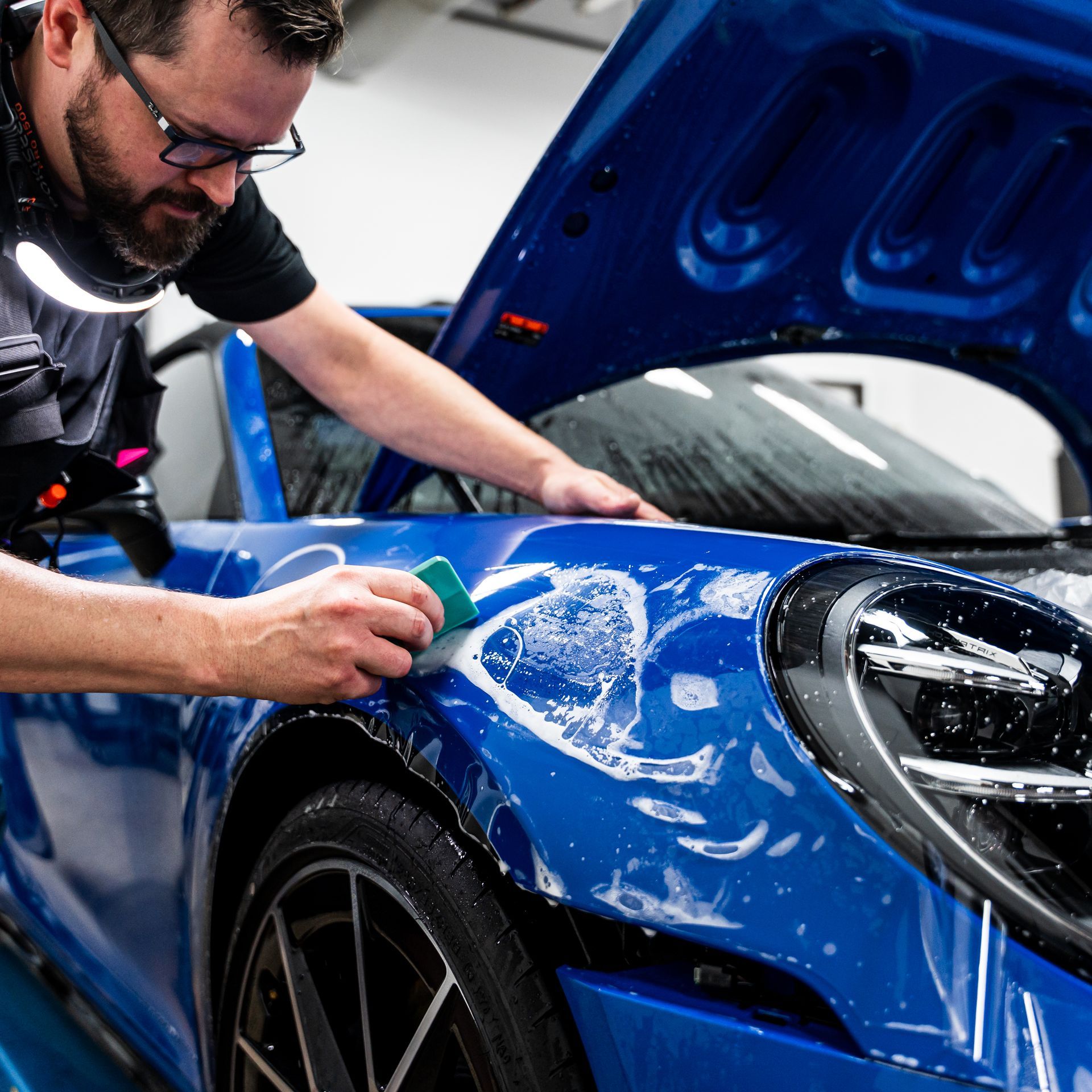
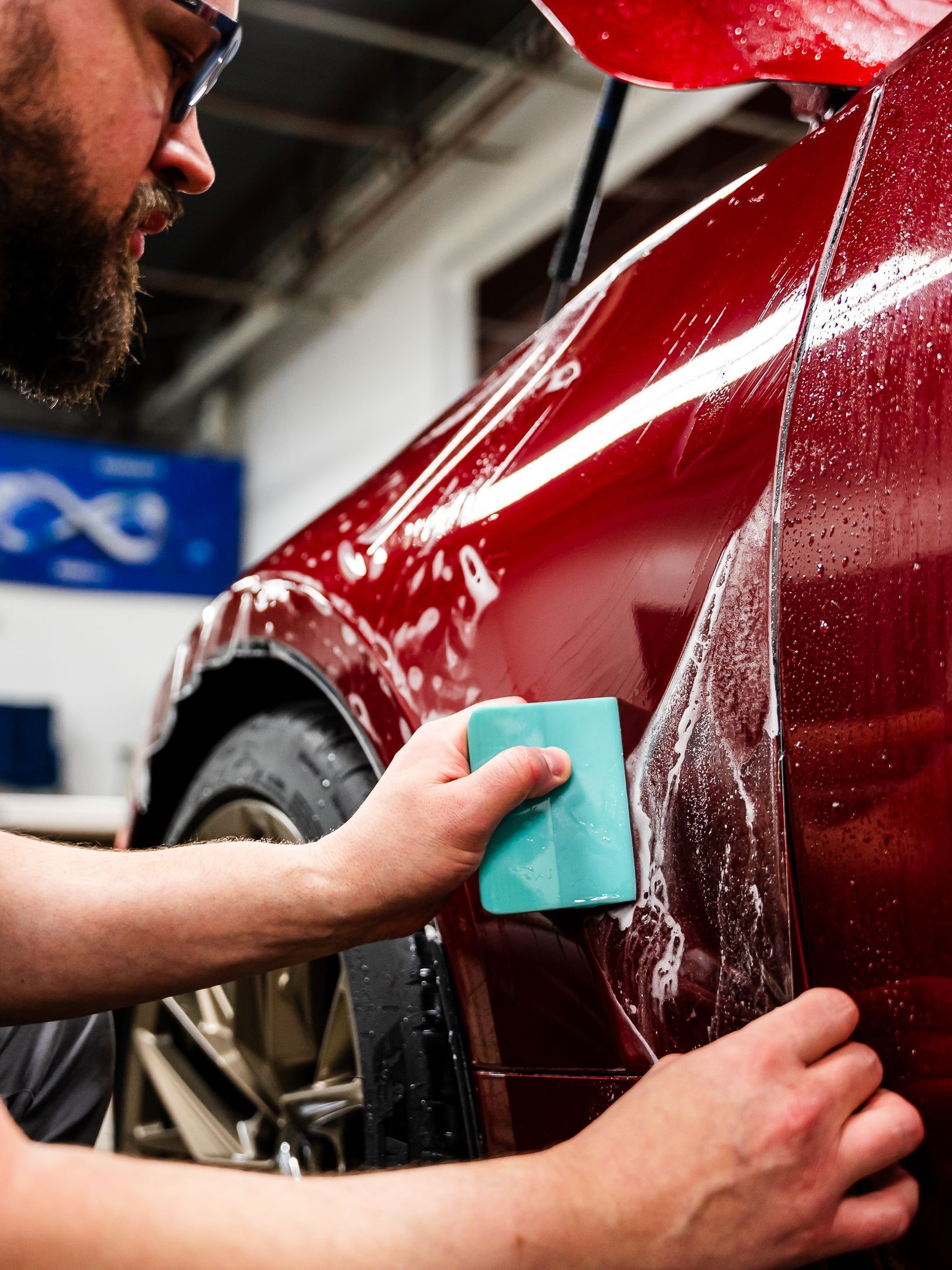
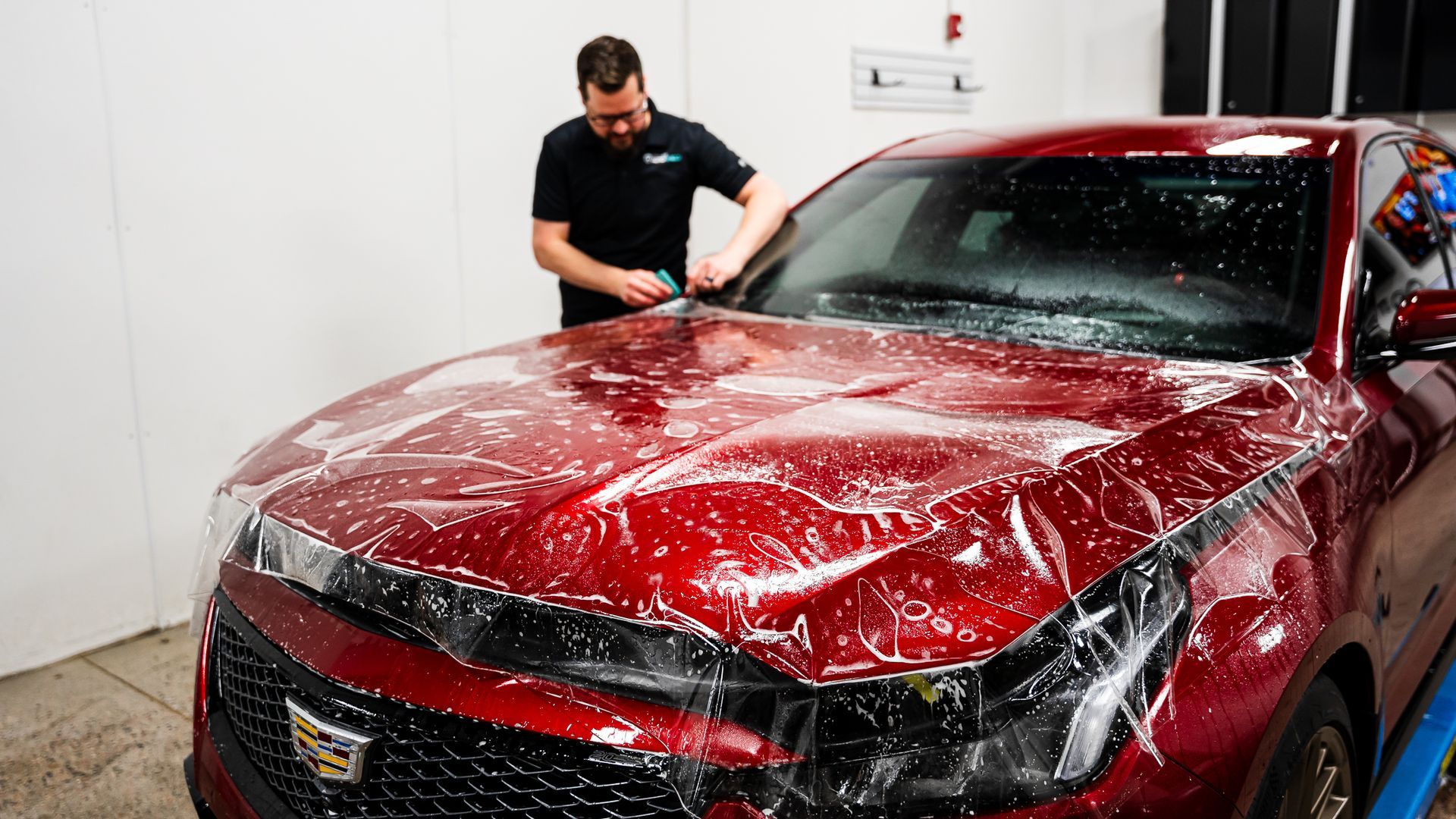
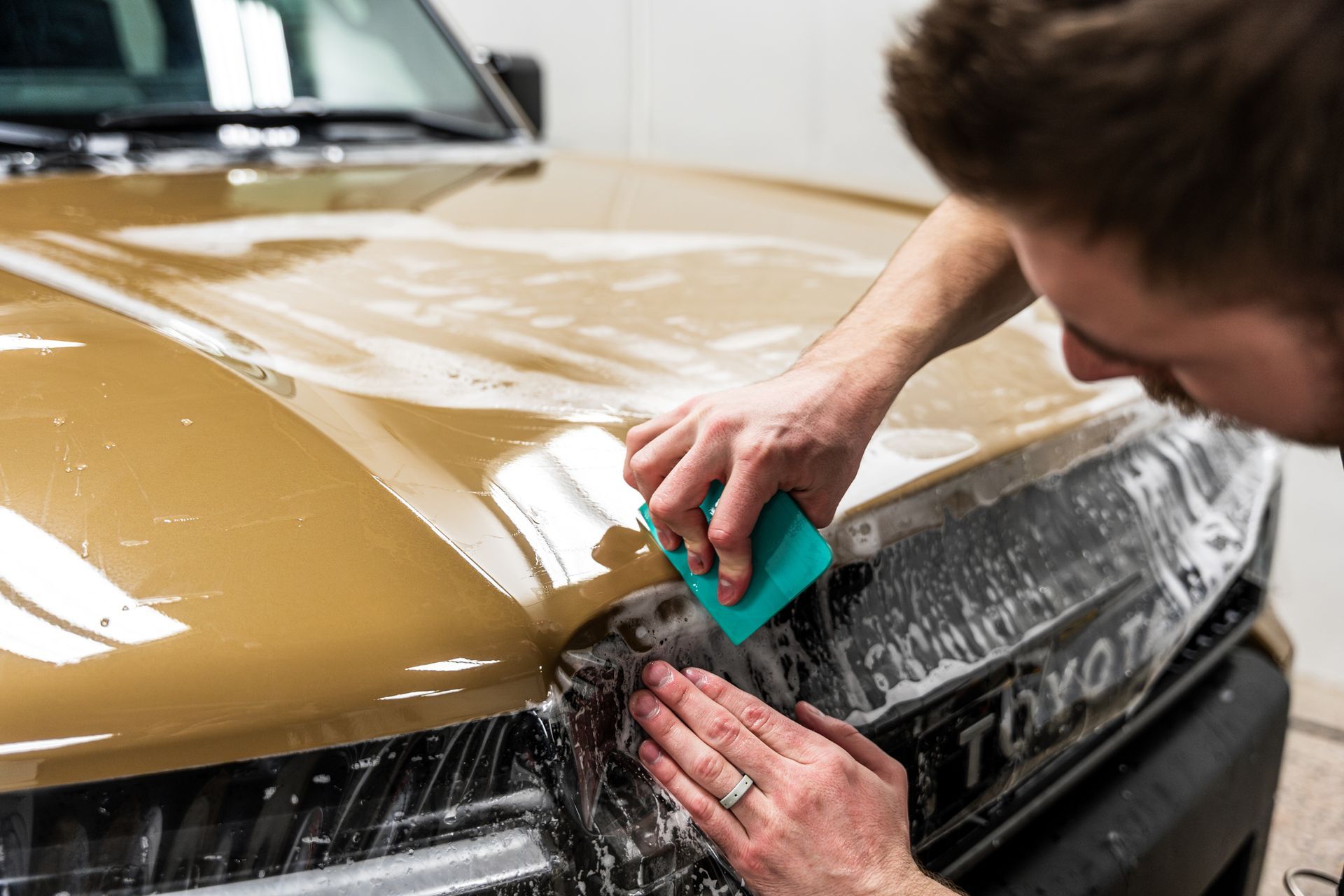
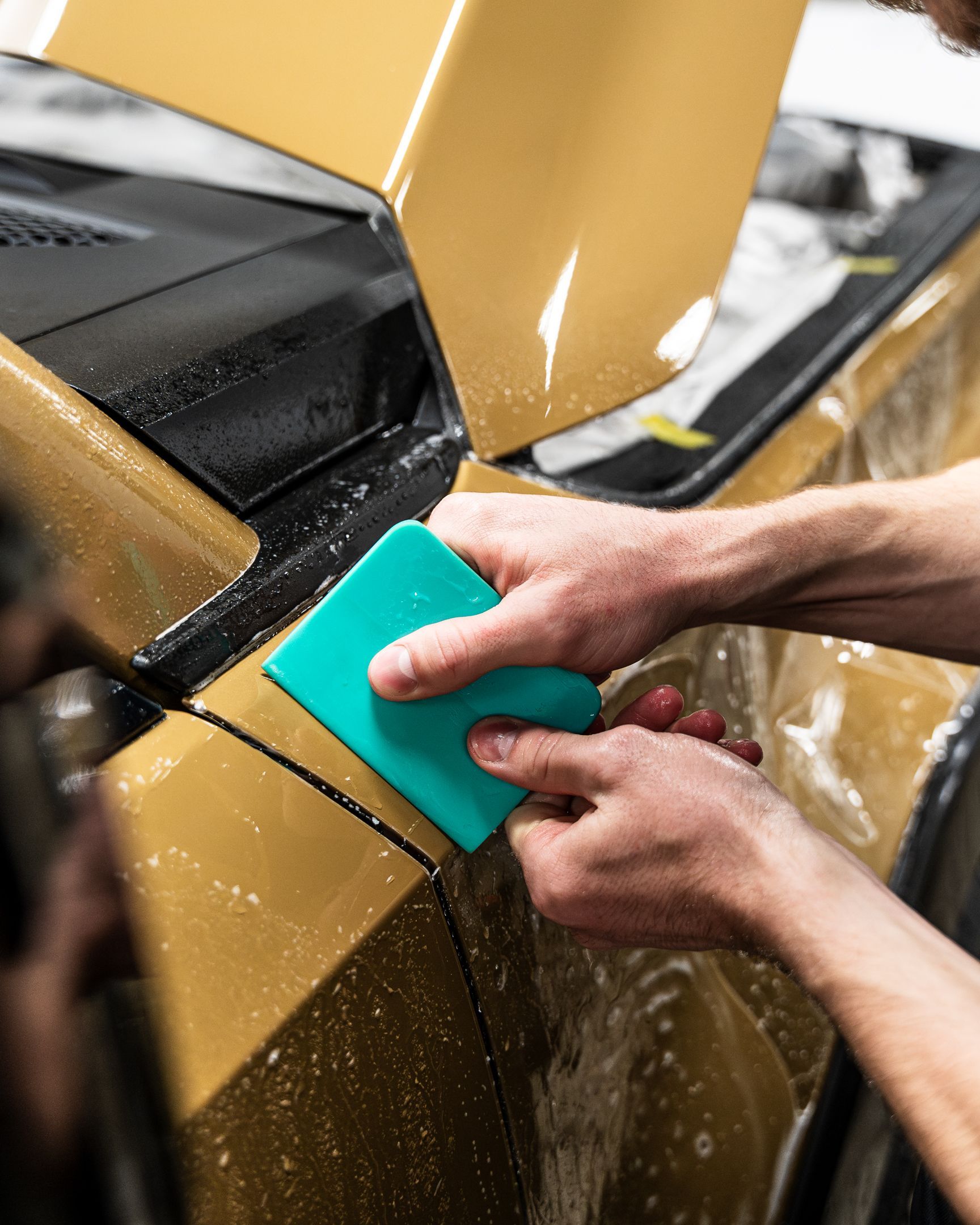
The foundation of effective paint protection begins with professional installation. The process starts with surface preparation, which involves deeply cleaning and decontaminating the car's paintwork to eliminate dirt, oils, wax residues, or any other contaminants that could interfere with adhesion. Without this meticulous preparation, even the highest-quality PPF won't adhere properly and could peel prematurely. After preparing the surface, precision-cut templates tailored to each vehicle make and model ensure fewer seams and a cleaner appearance. During application, installers carefully position the film and squeegee out air bubbles and excess fluid. After application comes curing, a phase vital for long-term durability. The film needs time, typically 24 to 48 hours, to fully bond with the paint.
Having invested in professional installation, maintenance becomes straightforward but crucial. Washing your car regularly using pH-neutral soap keeps dirt, grime, and contaminants from embedding into the film surface. Harsh detergents or abrasive brushes can scratch or dull the protective layer. Some owners enhance longevity by applying spray-on sealants specifically designed for PPF every few months. If you want scratches to disappear, faster after minor impacts, gently warming the affected area with warm water or a hairdryer on low heat speeds up polymer relaxation, helping scratches vanish without buffing or polishing.
Evaluating the Investment
High-quality self-healing paint protection films typically range from $1,500 to $7,000 depending on your vehicle's size, the areas covered, and professional installation. While this upfront expense might feel significant compared to traditional waxes or sealants, the technology behind these films supports the investment. The beauty of self-healing PPF is that it effectively removes minor scratches without any manual intervention, preserving your vehicle's finish in ways frequent paint corrections simply can't match. Without such protection, even small dings or rock chips can accumulate into costly repainting bills.
Professional touch-ups often run between $500 and $1,500 per incident, and repetitive bodywork not only affects your wallet but also diminishes the vehicle's resale value over time. When professionally installed, quality self-healing PPF comes with robust warranties, often stretching up to ten years for premium products. These warranties cover issues like yellowing, cracking, and staining, offering peace of mind. The typical lifespan for good self-healing PPF runs five to ten years, a clear upgrade over traditional films that tend to last three to five years before needing replacement. Because these films combine durable materials with engineered self-repair mechanisms activated by everyday warmth or sunlight, they pay for themselves through reduced maintenance costs and enhanced vehicle value over time.
Protecting Your Investment
Self-healing paint protection film represents a smart fusion of technology and practicality that elevates vehicle care into a hassle-free experience. For drivers who value their vehicles as significant investments and want to maintain that showroom appearance, this upgrade offers lasting beauty and cost savings. The combination of invisible defense, economic savings from fewer repairs, and long-term durability makes it more than just a luxury upgrade but a practical choice for anyone serious about preserving their vehicle's finish. Whether you drive a premium sedan through Denver's challenging climate or navigate daily commutes in a high-end SUV, self-healing PPF provides the protection your investment deserves.
Englewood’s Trusted Choice for Premium PPF
Safeguard your vehicle from everyday hazards with Denver Auto Shield’s premium paint protection film services in Englewood, CO. Our PPF adds a resilient, nearly invisible layer that strengthens your paint against debris, UV exposure, and harsh weather. Using industry-leading materials and a precision-focused process, we help your car maintain a flawless finish while reducing the need for future repairs.
Contact us today
to secure lasting protection for your vehicle!