The Science Behind Window Tinting and Its Impact on Comfort and UV Protection
Window tinting delivers far more than just darker windows. By using advanced materials and technology, quality window tint helps keep heat out, blocks harmful UV rays, and reduces glare, making your vehicle cooler and safer without sacrificing visibility. If you've ever wondered how window tinting can make such a difference on sunny days, this article breaks down the science behind it all in simple terms. Window tinting enhances driving comfort by using advanced materials and coatings that reduce solar heat gain, block harmful UV rays, and regulate visible light transmission. By lowering heat ingress and UV exposure, window tinting maintains consistent interior temperatures, protects your vehicle's interior from fading, and improves overall comfort year-round.
How Window Tinting Technologies Work
At the heart of today's advanced window films are microscopic particles that work like tiny shields against harmful rays and heat. These nanoparticles, often made from metals or metal oxides, absorb the sun's energy and convert it into harmless heat, which then disperses instead of warming up your vehicle's interior. This process allows films to block intense UV and infrared radiation without turning your windows into dark mirrors. Ceramic tints represent a major leap forward because they integrate ceramic nanoparticles, which are non-metallic and highly durable. Unlike traditional metallic tints that can interfere with electronic signals or degrade over time, ceramic films maintain their effectiveness for years without discoloration. They can block up to 99% of ultraviolet light, crucial for preserving your skin health during long drives and keeping your vehicle's interior from fading or cracking.
They also reduce about 80% of infrared rays, those invisible wavelengths responsible for most heat buildup inside vehicles on sunny days. Even with such strong protection, ceramic tints still pass high levels of visible light, so your view remains crisp and clear. Other innovative films offer dynamic control over tint levels using electrochromic technology. These films rely on electrical charges to change their opacity, giving you customized comfort on demand, perfect for shifting weather conditions or when privacy is needed. Security films add another layer of protection by reinforcing glass strength, holding shattered glass together if broken and reducing risks from accidents or break-ins.
Types of Window Tint Films
Different tint films cater to various needs by blending technology and function in distinct ways.
- Dyed films: They represent the traditional approach, featuring a layer of dye that absorbs solar heat before it passes through your windows. While affordable, dyed films tend to fade and lose effectiveness over time as sunlight breaks down their coloring agents.
- Metallic films: These incorporate fine metallic particles that reflect infrared rays, effectively bouncing heat away from your vehicle. This reflection significantly reduces interior temperatures but comes with a tradeoff: metal-based tints may disrupt radio signals or GPS reception.
- Hybrid films: They strive for a middle ground by combining dyed layers with metallic particles. This mix balances effective heat rejection while minimizing electronic interference, often offering better durability than dyed films alone.
- Ceramic films: They have become the preferred choice in window tinting technology. Crafted using advanced ceramic nanoparticles, these films block both ultraviolet rays and heat with impressive efficiency, all without hindering electronic signals. Their non-metallic nature suits modern vehicles equipped with electronic aids. Ceramic films exhibit remarkable strength against fading, standing up well against years of sun exposure.
- Carbon films: They offer a robust alternative focused on heat reduction and maintaining interior aesthetics over time. With their rich matte finish that stays vibrant without dulling from sunlight, carbon tints help prevent cracking, fading, and other aging signs caused by UV exposure. Carbon films excel at consistently blocking infrared radiation while giving you a sleek visual appeal.
Layers and Composition
At first glance, a window tint might seem like a simple dark sheet, but its true power comes from the carefully designed layers stacked within it. Each layer plays a unique role that contributes to how well the tint blocks heat, reduces glare, and protects against harmful UV rays. Typically, a tint starts with an adhesive layer that firmly bonds the film to your vehicle's glass without bubbling or peeling over time. Above the adhesive, there is usually a polyester base layer, providing mechanical strength and flexibility while keeping the film thin enough to remain virtually invisible. This polyester is often specially treated to withstand exposure to sunlight and resist cracking. The most critical element for blocking heat lies deeper. Embedded within or applied atop this polyester base is the metalized layer, which can be very thin coatings of aluminum, nickel-chromium alloys, or silver nanoparticles. These metals act as tiny mirrors reflecting out infrared radiation, the part of sunlight that heats your vehicle interior. By bouncing infrared light away before it enters the vehicle, they keep things cooler during blazing summer afternoons.
Premium films incorporate a ceramic nanoparticle layer within the polyester matrix itself. Unlike metals, ceramics don't interfere with radio signals and provide superior heat rejection combined with increased UV protection. Ceramic-infused films maintain clarity with less darkening, making them ideal where laws limit how dark you can legally tint your windows. On top of these functional layers sits a scratch-resistant coating, designed to help maintain that crisp, clean appearance over years of use. The layering strategy transforms simple polymer sheets into high-performance barriers, providing thermal relief while safeguarding health by filtering up to 99% of UV rays.
Temperature Regulation and Glare Reduction
When sunlight streams through a window, it carries both visible and invisible energy. Window tinting acts like a selective shield, blocking much of this infrared energy before it can penetrate your vehicle. By reducing solar heat gain significantly, window tints dramatically ease the burden on air conditioning systems, translating to lower fuel costs and reduced environmental impact. The science involves ultra-thin nanotechnology layers embedded within the film that reflect or absorb heat-carrying wavelengths. Instead of turning your vehicle into a greenhouse, these advanced films maintain a stable interior climate throughout the day.
Modern smart window tints can even dynamically adjust their darkness in response to sunlight intensity, tailoring heat rejection precisely when needed. Excessive glare from sunlight or headlights can make driving uncomfortable and unsafe by severely limiting visibility. Window tint films act like sunglasses for your vehicle windows, filtering out a portion of visible light to cut down on harsh brightness. A film with a Visible Light Transmission rating of 50% lets half the light through, softening glare without making the cabin too dark. This balance is key to maintaining clear vision while reducing eye strain. Tinted windows prevent sudden bursts of brightness that cause squinting or temporary blindness. This is especially helpful during early morning or late afternoon when sunlight hits at a low angle, reflecting off roads or other vehicles. It also reduces the blinding effect of oncoming headlights during night driving. Effective glare reduction means less squinting, reduced fatigue, and better focus, important factors for safer driving and preventing headaches during long trips.
UV Protection Benefits
Window tinting goes beyond comfort. Its ability to block ultraviolet radiation plays an essential defensive role for both you and your vehicle. The sun emits UVA and UVB rays, invisible culprits that can cause skin damage, accelerate aging, and even increase the risk of skin cancer. By installing quality window tint, you effectively shield yourself from nearly all these harmful effects because modern films block up to 99% of UVA and UVB rays. Think of window tint as sunscreen for your vehicle's windows. Tint films absorb or reflect the sun's rays before they reach your interior or occupants. This preservation dramatically reduces fading of leather, fabric seats, and dashboards, prolonging your vehicle's showroom look.
It also helps prevent plastic and vinyl components inside from cracking due to prolonged sun exposure. Modern tint options vary in their composition, influencing the amount of UV they block. Dyed films typically block up to 95% of UV rays, while metallic, hybrid, ceramic, and carbon films can block up to 99%. Regular drivers quickly notice how tinted windows reduce sunburn risk during daily commutes, especially in regions with intense sunlight like Denver, where high altitude means increased UV exposure. Beyond personal health, protecting your vehicle's interior delays costly repairs or replacements of upholstery and trim damaged by solar exposure. This extends the vehicle's value and keeps it looking fresh longer.
Choosing the Right Window Tint
Picking the right window tint requires balancing several key factors. Your location plays a major role. If you live somewhere where the sun blazes for most of the year, selecting a high heat-rejection film is crucial. Such films actively block infrared radiation, stopping your vehicle from becoming an oven. In Denver, where high altitude means increased UV exposure and harsh seasonal conditions, choosing the right tint becomes even more important. Regulations are another fundamental consideration because tinting laws vary widely across states. Some places limit how dark you can go on certain windows to ensure driver visibility and safety. Ignoring these rules can lead to expensive fines or having to remove newly installed films. Check local codes before deciding on a darkness level or film type. Knowing exactly what you want from your tint also guides your choice. Are you after privacy, heat blocking, UV damage prevention, or glare reduction? This clarity helps narrow down options significantly.
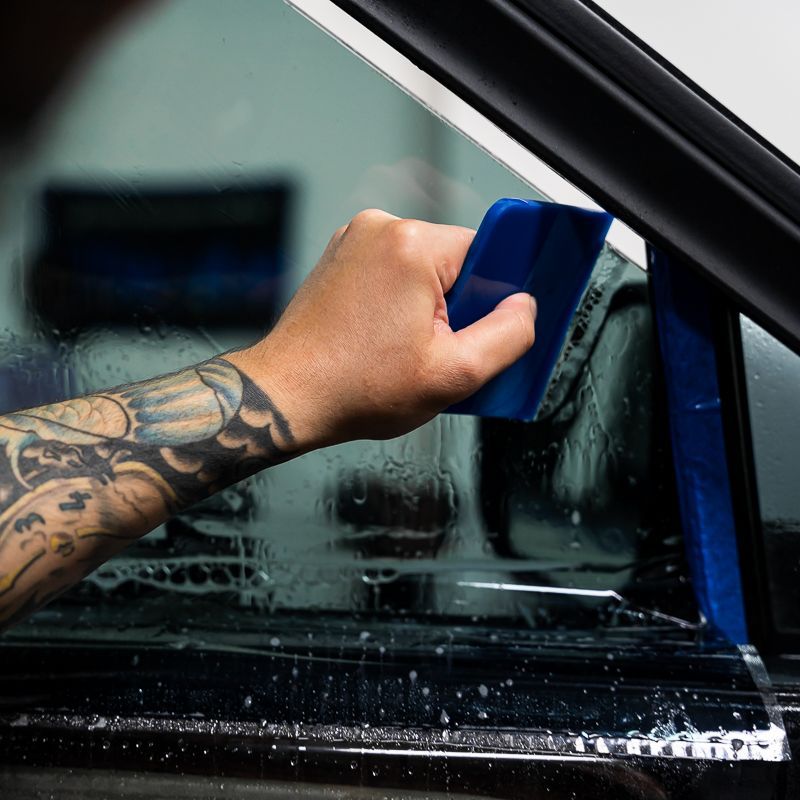
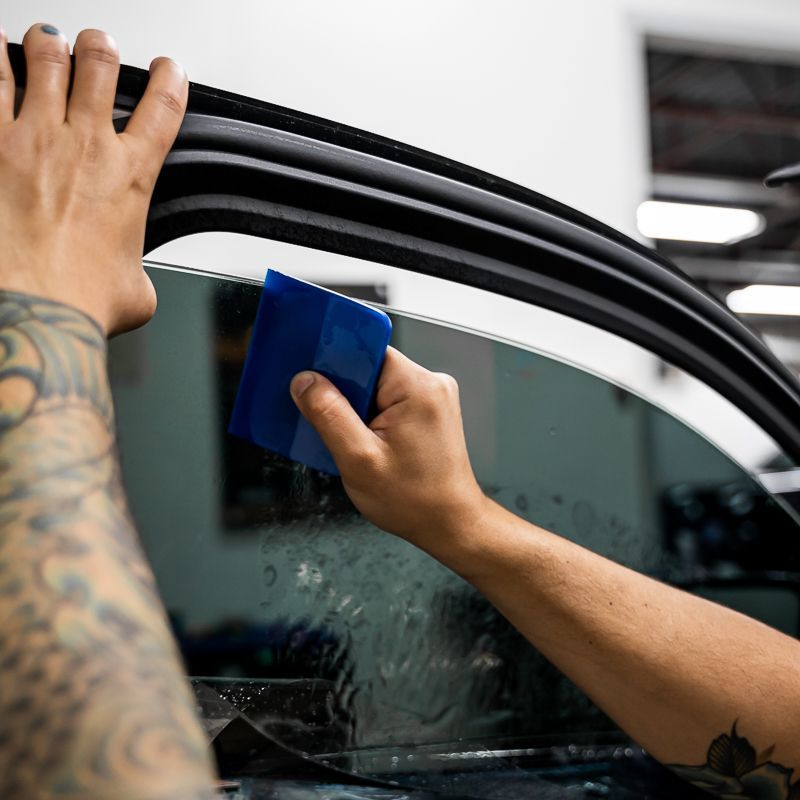
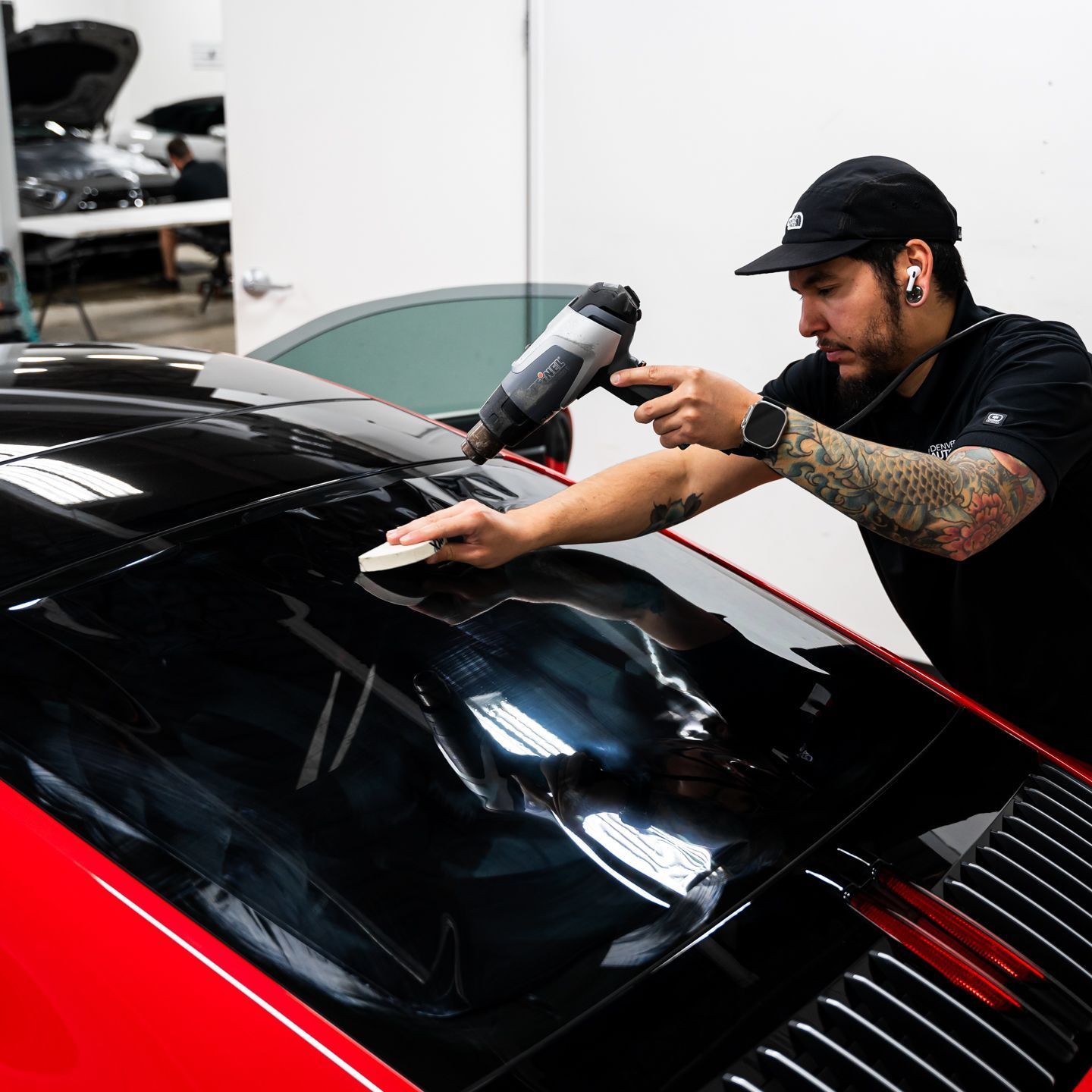
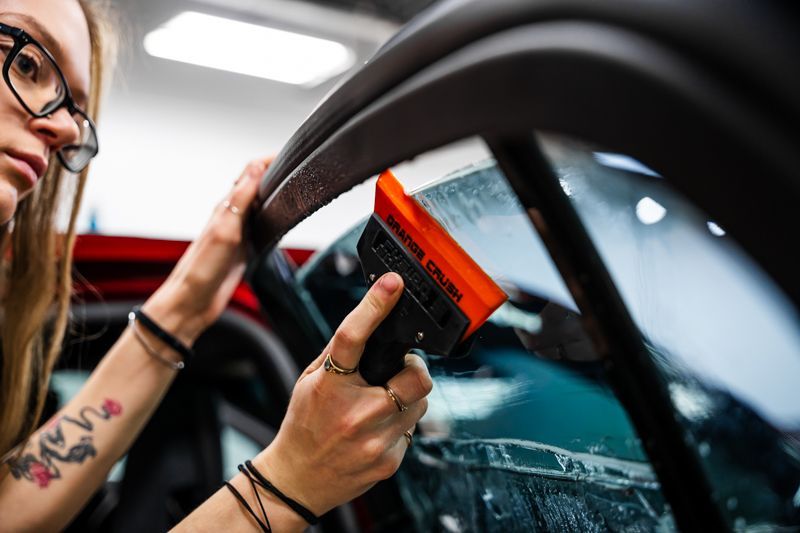
Ceramic films stand out as versatile performers, providing excellent heat rejection without turning your windows into reflective mirrors and maintaining clarity without distorting colors or signals. Installation quality dramatically influences outcome. Even top films will underperform or look patchy if applied poorly. Choose both your film and installer wisely. Professionally applied film tailored for your specific vehicle model ensures precise edges and reduces bubbles or imperfections that diminish performance and appearance. Window tinting is not just about style. It's a carefully engineered layer that enhances comfort, protects health by blocking UV radiation, and preserves your vehicle's interior. Making an informed choice ensures your drive remains cool and safe throughout every season.
Lakewood’s Choice for Comfort-Driven Window Tinting
Upgrade your driving experience with Denver Auto Shield’s top window tinting services in Lakewood, CO. Our premium films reduce heat, cut glare, and protect your interior from UV damage while giving your vehicle a clean, refined appearance. Every installation is handled with precision to ensure smooth, long-lasting results that perform year-round.
Schedule your window tinting service today and enjoy a cooler, more comfortable ride on every drive!