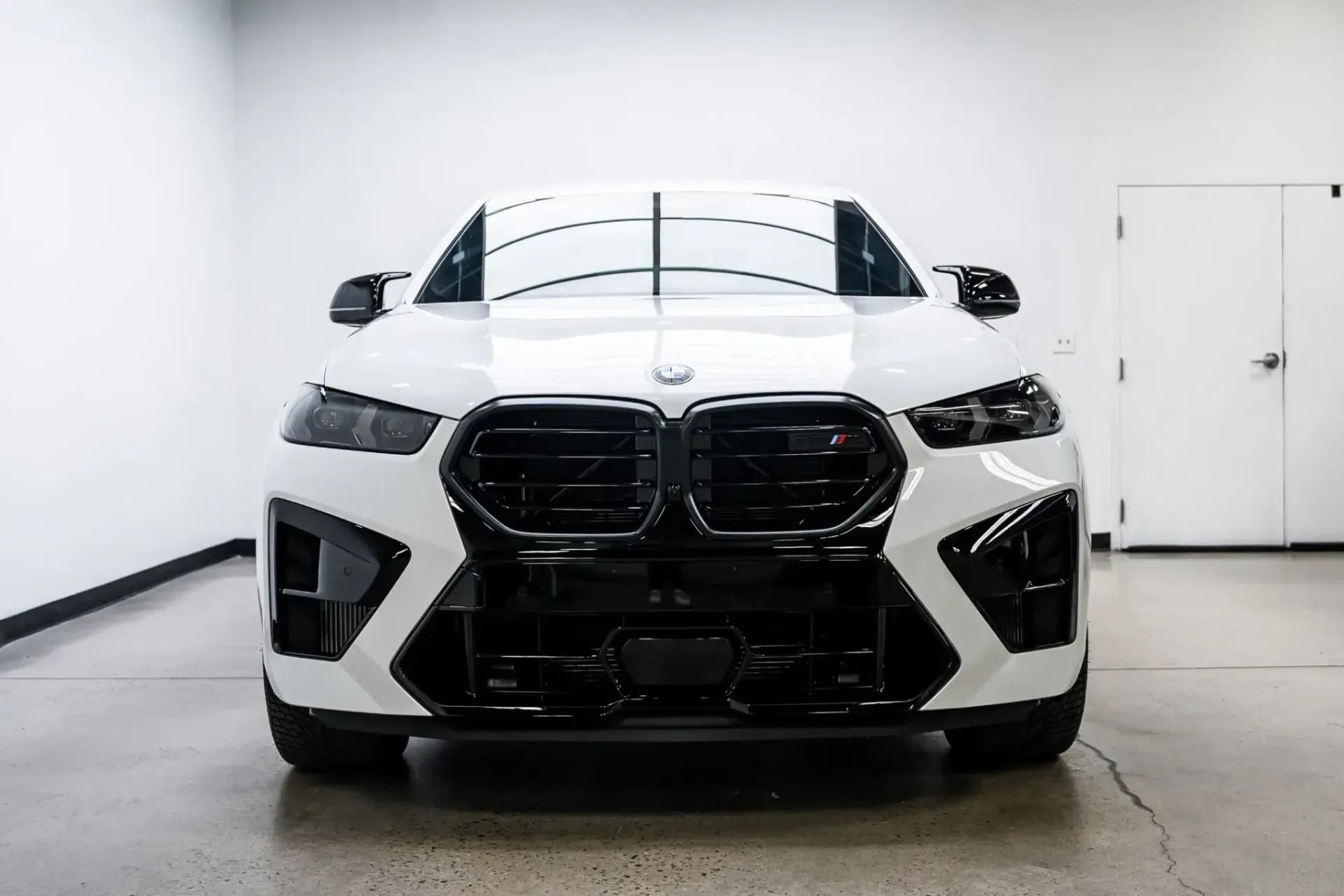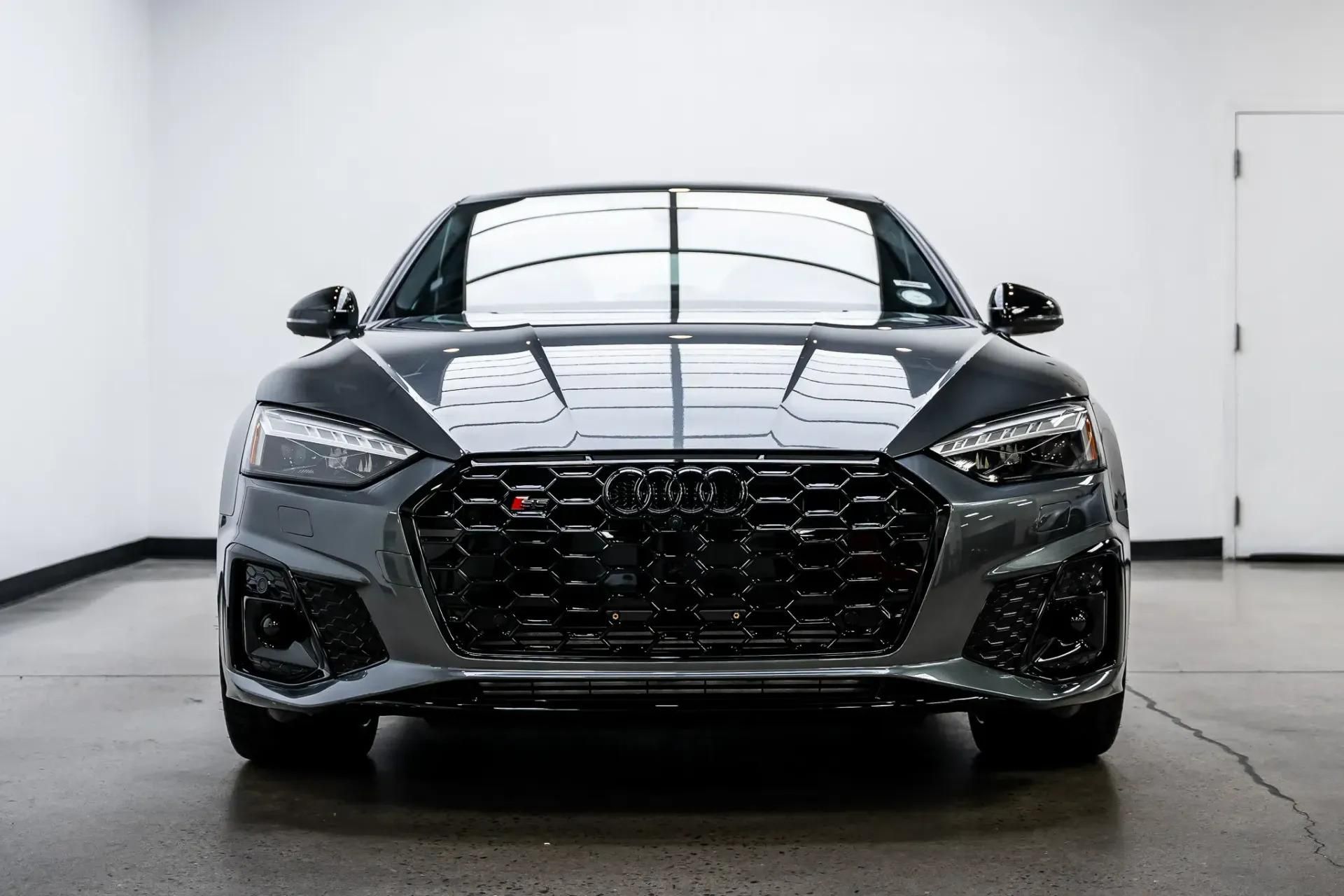
PPF Helps Preserve Visual Quality in High-Traffic Areas: Benefits and Protection Tips
If you’ve ever noticed small chips or marks appearing on your car not long after driving it off the lot, you’re not alone. Maintaining that fresh, glossy finish can feel like an ongoing challenge, especially with everyday exposure to road debris, changing weather, and constant use.
Paint protection film (PPF) offers a practical way to help maintain your vehicle’s appearance. This clear, durable layer is applied directly to the surface to act as a barrier against daily wear while keeping the original finish fully visible. Designed to blend seamlessly with your paint, PPF provides reliable protection without changing the look you enjoy. Let’s take a closer look at how it works and why more drivers are choosing it to keep their vehicles looking their best.
PPF: The Invisible Shield
Paint protection film acts like invisible armor for your car's paintwork. Unlike bulky covers or traditional waxing, it is a slim yet incredibly tough skin that forms a shield against everyday hazards. This film is engineered to hug every curve and contour of your vehicle, ensuring no spot goes unprotected, even on complex shapes like side mirrors or hood edges.
Its transparent nature means your car's glossy finish and vibrant color shine through unabated, preserving its showroom look without any hint of extra material. The real strength lies in its advanced thermoplastic urethane composition, which balances flexibility with durability. It absorbs and disperses impacts from small rocks, road debris, and harsh environmental elements rather than letting them chip or scratch the paint underneath.
Unlike traditional coatings that only guard against fading or superficial scuffs, PPF provides robust defense against physical abrasions, which is invaluable if you regularly face high-speed commutes or rough driving conditions. What truly sets PPF apart is its self-healing capability. When minor scratches appear, the film can mend itself simply by warming up under sunlight or a heat source. This happens because the molecular structure of the film relaxes and returns to its original state, erasing imperfections within hours to days. This property minimizes the need for frequent repairs or touch-ups that conventional treatments cannot offer.
PPF also offers excellent resistance to ultraviolet light and corrosive substances like bird droppings, tree sap, and road salts often encountered during different seasons. UV rays are notorious for fading paint over time, causing colors to dull and surfaces to lose their luster. A top-quality PPF blocks a significant percentage of these harmful rays, preserving your vehicle's fresh look for years longer than untreated surfaces. At the same time, the film's chemical resilience prevents staining or degradation, meaning less time spent scrubbing and more time enjoying your ride.
How PPF Protects Your Car
Paint protection film is not just a passive layer sitting on your car's surface. It works dynamically to defend your vehicle against everyday hazards that would otherwise slowly degrade its appearance and value. Its impact resistance is remarkable. Picture yourself driving behind a gravel truck with stones bouncing off your front bumper and hood. Thanks to PPF's flexible yet tough composition, it acts like a shock absorber, spreading out the force of these impacts so they do not leave unsightly chips or scratches.
This protective nature extends beyond physical blows. High-traffic areas such as side mirrors and door edges face continuous abrasion from dust, dirt, and microscopic particles in the air. The film's tensile strength means it stretches well over complex curves and corners without tearing or wearing thin, ensuring seamless coverage of these vulnerable zones without compromising your car's sleek lines.
PPF also serves as a chemical fortress for your paintwork. Bird droppings, tree sap, and road salts all contain acids and corrosive elements that can eat away at unprotected paint surfaces over time. The hydrophobic topcoat found on many modern PPF products repels water and grime while resisting oxidation caused by ultraviolet exposure. This dual-action barrier helps keep paint vibrant and prevents costly etching or staining.
Applying PPF over these high-risk zones dramatically reduces the need for frequent detailing or repainting, saving both time and money. Furthermore, the self-healing properties of premium PPF are more than marketing talk. When minor abrasions occur, the heat from sunlight gently activates the film's molecular structure to flow back into place within 24 to 48 hours. Instead of light scratches becoming permanent scars, they disappear almost like magic, maintaining smoothness and clarity.
Benefits in High-Traffic Areas
When you drive through busy city streets or along fast-moving highways, your vehicle's front end, side mirrors, doors, and hood absorb the brunt of road debris, salt residue in winter, and even stray branches. Without some form of defense, these constant impacts chip away at your car's finish.
PPF forms an invisible shield in exactly these vulnerable spots. Its ability to absorb and disperse impact energy means that many of those tiny rock chips or scrapes never reach the paint underneath. What is remarkable about PPF is not just its toughness but also its flexibility; the film conforms seamlessly over complex curves and edges where damage is most likely to occur.
Beyond shielding against physical abrasions, PPF excels at blocking harmful ultraviolet rays. UV radiation causes paint to fade and lose vibrancy over time, subtly robbing your car of its showroom shine. The latest PPF formulations block a high percentage of UV rays, dramatically slowing this fading process so your vehicle looks newer for longer, even after years of sun exposure.
To maximize these benefits on high-traffic routes, experts advise focusing PPF applications on the most exposed zones: the front bumper, which takes direct hits from flying gravel; side mirrors, which are vulnerable during tight parking situations; and door edges, where accidental scrapes are common.
Careful maintenance also complements PPF's protective capabilities. Regular gentle washing using pH-neutral soaps prevents dirt buildup that could degrade adhesion over time, and avoiding harsh chemicals helps protect the film's polymer layers.
Enhancing Durability with PPF
Durability is not simply about enduring for a long time. It is about maintaining the look and feel of your vehicle's paint as if it were fresh off the showroom floor. When applied correctly, PPF forms a resilient shield that absorbs the daily wear and tear vehicles encounter, from tiny rock chips to abrasive dirt and chemical exposure. The film's thickness acts as a tough barrier that disperses impact energy, preventing micro-abrasions from reaching the paint below. Vehicle owners consistently report that their cars maintain a near-flawless appearance over several years despite facing harsh conditions such as winter salt, roadside debris, and intense sunlight.
Resistance to chemicals is another critical durability factor. Everyday contaminants such as bird droppings, tree sap, and harsh cleaners that can stain or etch paint are no match for high-quality film, preserving the glossy finish and saving you from costly polishing or repainting jobs.
However, this level of durability relies heavily on proper installation. The film must adhere perfectly to your car's surface, with careful preparation that includes washing, drying, and clay bar treatment to remove any grime or imperfections that could prevent adhesion. Precision cutting and application ensure full coverage without overlaps or bubbles that can weaken protection.
Investing in quality PPF and trusting installation to skilled technicians can ultimately save thousands by avoiding paint damage repairs. Vehicles with well-applied PPF also tend to command higher resale values because their exteriors remain pristine longer.
Professional Installation and Maintenance Tips
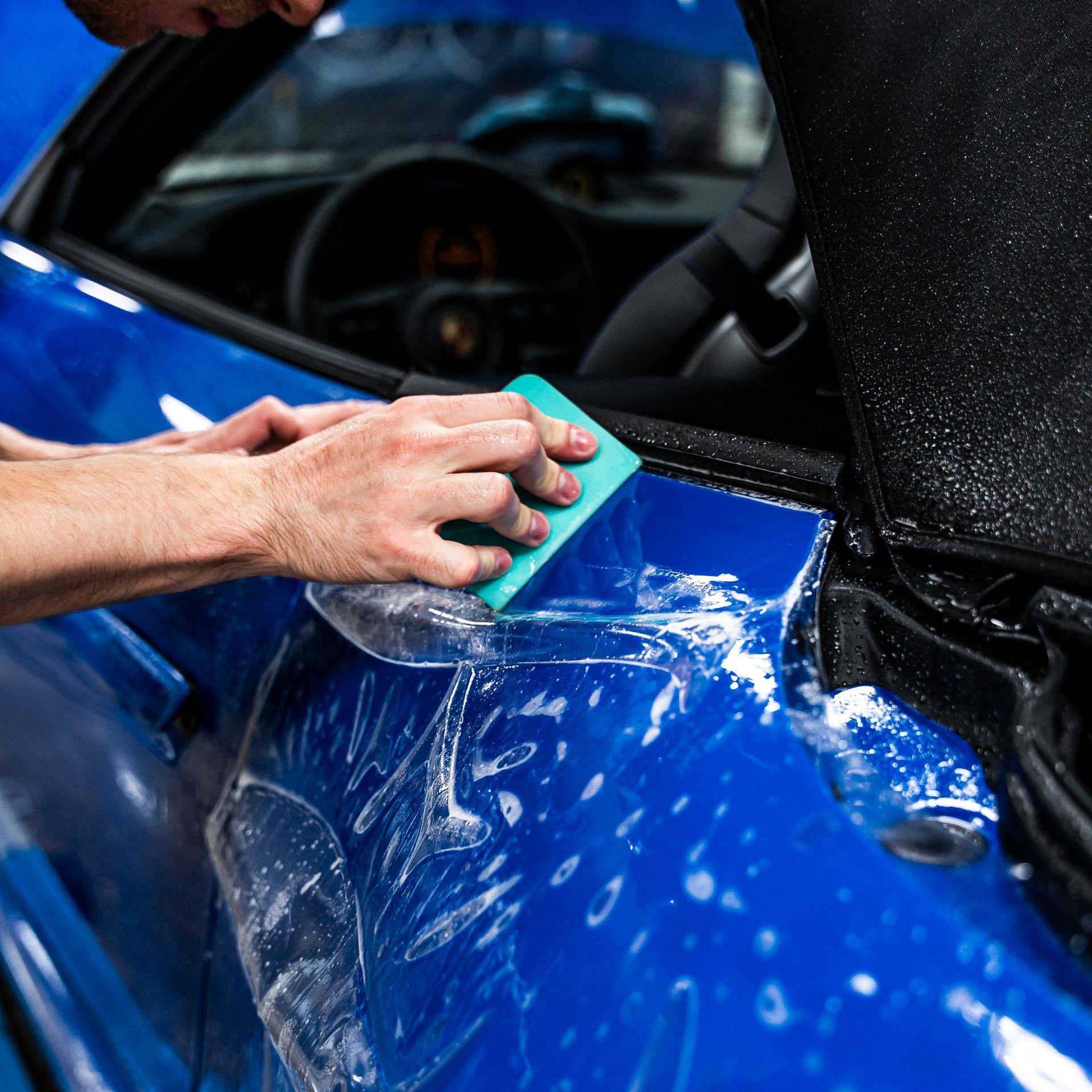
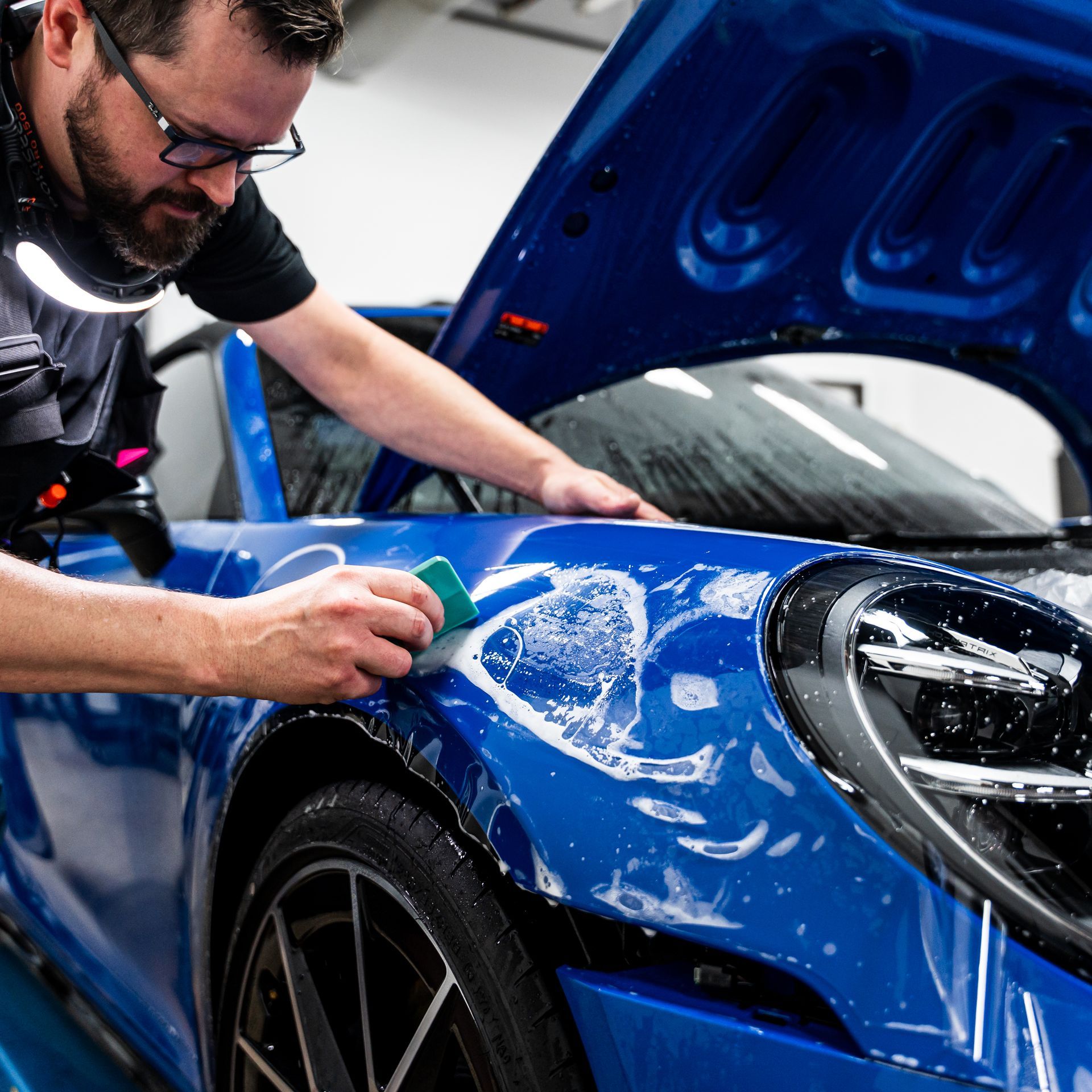
The success of a PPF application starts well before the film touches the vehicle's surface. Professionals begin by washing every inch of the car thoroughly, followed by drying with microfiber towels. Contaminants embedded in the paint, such as tar or industrial fallout, are removed using clay bars, which lift away invisible particles without damaging the paint underneath. This step ensures a perfectly clean surface for the PPF.
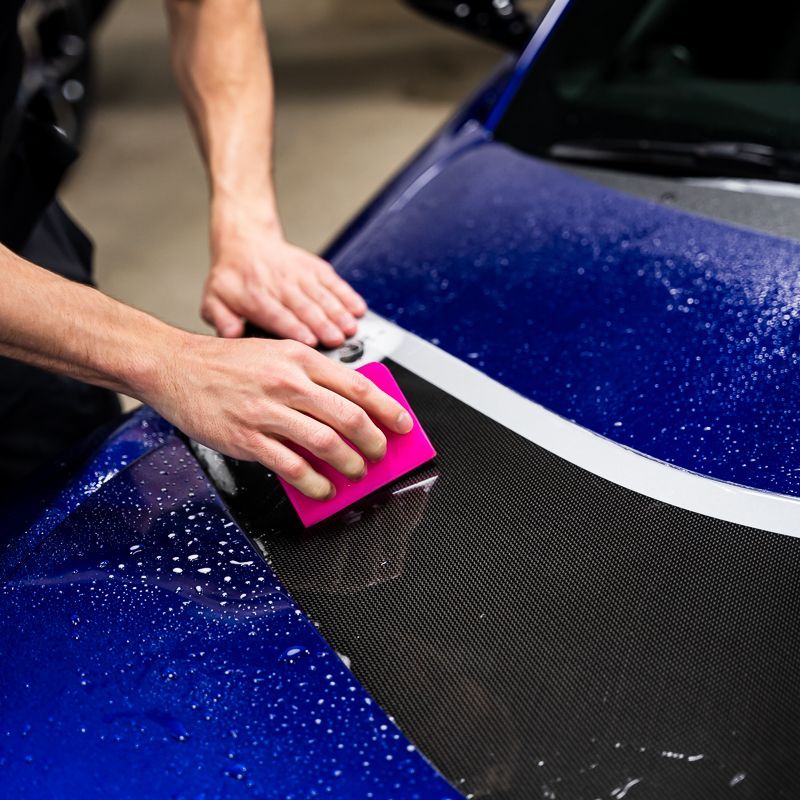
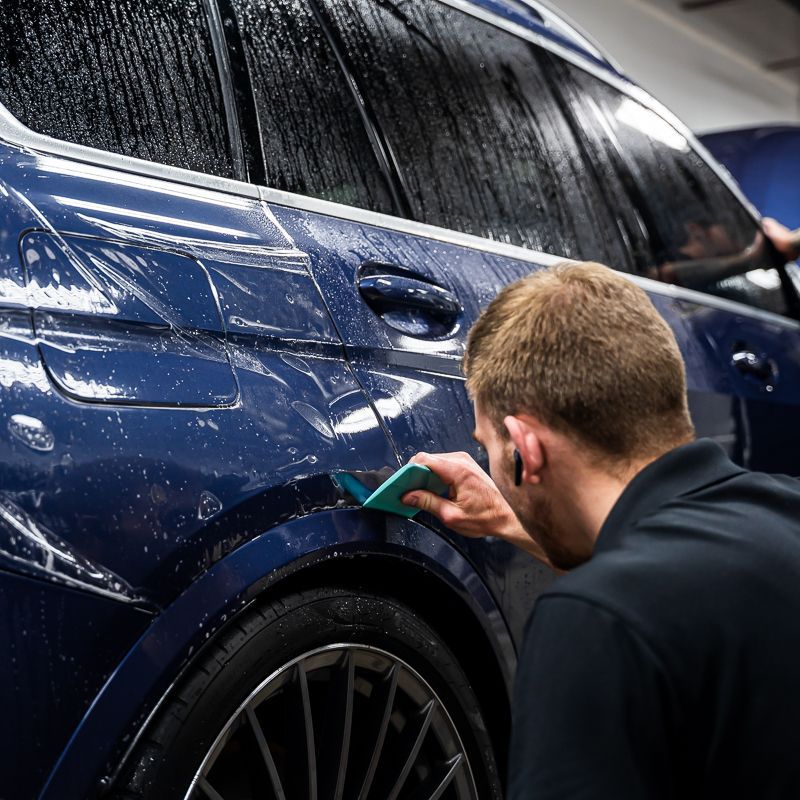
Precise cutting of the film is equally critical. Professional installers use computer-controlled equipment programmed with exact dimensions, allowing them to cut film pieces tailored precisely to bumpers, hoods, side mirrors, and other complex shapes. During application, technicians use a slip solution over the adhesive side of the film and the car's surface, granting them flexibility to reposition the film until it sits perfectly aligned. Air bubbles and excess solution are then carefully pressed out, gradually bonding film to paint without trapping moisture or wrinkles beneath.
Once installed, maintaining your PPF is just as important as the installation itself. Hand washing with a gentle, pH-neutral soap is essential because harsh detergents or automatic car washes with stiff brushes can scratch or prematurely degrade the film. Washing every one to two weeks prevents dirt, grime, road salt, and other contaminants from building up and embedding into the film's surface. Drying with a soft microfiber towel after each wash is equally important to avoid water spots.
Periodic inspections are also crucial. Small imperfections such as bubbles or lifting edges can escalate into larger concerns if ignored, so monthly visual checks allow you to spot issues early. Scheduling a professional check-up at least once a year allows a trained installer to address subtle wear patterns and perform small repairs that extend the life of the film.
With thoughtful maintenance, PPF can stay effective for five to ten years depending on environmental conditions, transforming it from a temporary shield into a long-lasting guardian of your vehicle's appearance.
Reliable Paint Protection in Centennial, CO
Protect your vehicle from daily road exposure with Denver Auto Shield’s
expert paint protection film services in Centennial, CO. We focus on delivering clean, accurate installations that help maintain your vehicle’s finish and reduce the need for frequent touch-ups. With long-lasting materials and attention to detail, your vehicle stays in great condition longer.
Schedule your appointment today!