Understanding Paint Protection Film Thickness: A Complete Guide for Denver Vehicle Owners
When it comes to protecting your vehicle's paint, you might think a film is just a film, but there's more science behind it than meets the eye. The thickness of paint protection film isn't just about how it feels or looks; it plays a crucial role in how well your vehicle withstands daily wear and tear. Understanding the differences in thickness can help you decide what kind of protection fits your driving style and environment without guessing. Let's take a closer look at why thickness matters so much for keeping your car looking its best.
Professional PPF films typically range from 4 to 12 mils in thickness. Thinner films in the 4 to 6 mil range are suited for standard urban driving and offer subtle protection, while thicker films between 8 and 12 mils provide superior defense against scratches, chips, and road debris, especially on rough terrains. The choice of thickness balances durability, self-healing capabilities, visual aesthetics, and overall longevity tailored to your vehicle's exposure and usage conditions.
The Engineering Behind PPF Films
Professional PPF films are far from a simple sheet applied to your car's paint. They are intricate composites made of several specialized layers, each engineered to serve a precise function while balancing protection, durability, and aesthetics. Starting at the very top is the clear coat layer. This isn't just a glossy shield; it provides vital UV resistance that prevents your car's paint from fading under Denver's intense sunlight at altitude. Many modern clear coats incorporate self-healing technology, a feature that works beautifully in practice. When minor scratches or swirl marks form on the surface, a little warmth, whether from sunlight or a heat source, softens this layer just enough to allow its elasticity to smooth out imperfections, restoring that pristine look without any intervention.
Beneath the clear coat lies the polyurethane layer. This thermoplastic polyurethane segment offers extraordinary flexibility paired with toughness. Its role is to absorb shocks and abrasions from everything your car encounters, from tiny gravel chips on mountain roads to accidental brushes with shopping carts in tight parking lots. The balance here is delicate: too rigid, and the film could crack under impact; too soft, and it won't cushion damage effectively. The polyurethane layer strikes this balance magnificently, molding slightly to absorb force while maintaining structural integrity.
The adhesive layer is specially formulated to bond tightly to automotive paint while allowing for clean removal when necessary, without any sticky residue or damage beneath. The adhesive ensures the film stays put even when faced with extreme weather, high speeds, or routine washing. Professional films hit that sweet spot using advanced formulations that have evolved over years of research. Beyond these fundamental layers, many premium PPF products introduce advanced functional layers meant to enhance user experience and longevity. Hydrophobic coatings create microscopic bead-like effects that repel water and dirt, making cleaning far easier and less frequent. Some manufacturers also add anti-yellowing compounds within the layers to preserve clarity over time despite sun exposure.
Thickness and Durability: What You Need to Know
The thickness of a paint protection film isn't just a number; it directly shapes how well your vehicle's paint is shielded over time. Thicker films, generally between 10 and 12 mils, act like resilient armor against the daily barrage of road hazards. Their robust build absorbs and disperses impacts from rocks, gravel, and even minor abrasions far better than thinner options. This enhanced resilience means they tend to last 7 to 10 years or more if properly maintained, making them a favorite for drivers frequently navigating rough or unpredictable environments. If you tend to drive in harsh weather conditions or areas with loose debris and gravel, opting for thicker PPF is a worthwhile investment. Not only does it maintain the pristine look of your vehicle longer, but it also reduces the need for frequent replacements, saving both time and money in the long run.
Thinner films ranging from 4 to 6 mils serve a different purpose. These are engineered for everyday urban driving, where the chances of encountering sharp stones or hard hits are significantly lower. Their slim profile allows them to sit almost invisibly on your car's surface, preserving that factory-fresh sheen without altering the paint's texture or color noticeably. However, this advantage comes with trade-offs: while they provide excellent scratch resistance against everyday wear and tear, their lifespan typically maxes out around 5 years, after which adhesive breakdown and diminished protective qualities necessitate replacement.
Thickness doesn't only affect how long the film lasts; it impacts mechanical properties as well. Thicker PPF films exhibit higher tensile strength, often measured around 7,000 psi compared to roughly 5,000 psi for thinner variants. This means thicker films stretch less under stress and recover better from minor deformations. Additionally, thicker materials can better withstand aggressive cleaning techniques and chemical exposures without degrading prematurely. This durability can be a crucial factor for owners who regularly detail their cars or face challenging climates. While thicker films demonstrate clear advantages in protection and longevity, they do come with some considerations. Their increased bulk may reduce conformability on complex curves or edges of certain vehicles, requiring expert installers to minimize any noticeable seams or bubbling. However, advances in PPF technology have steadily reduced these issues through enhanced elasticity and finish options.
Professional Installation Matters
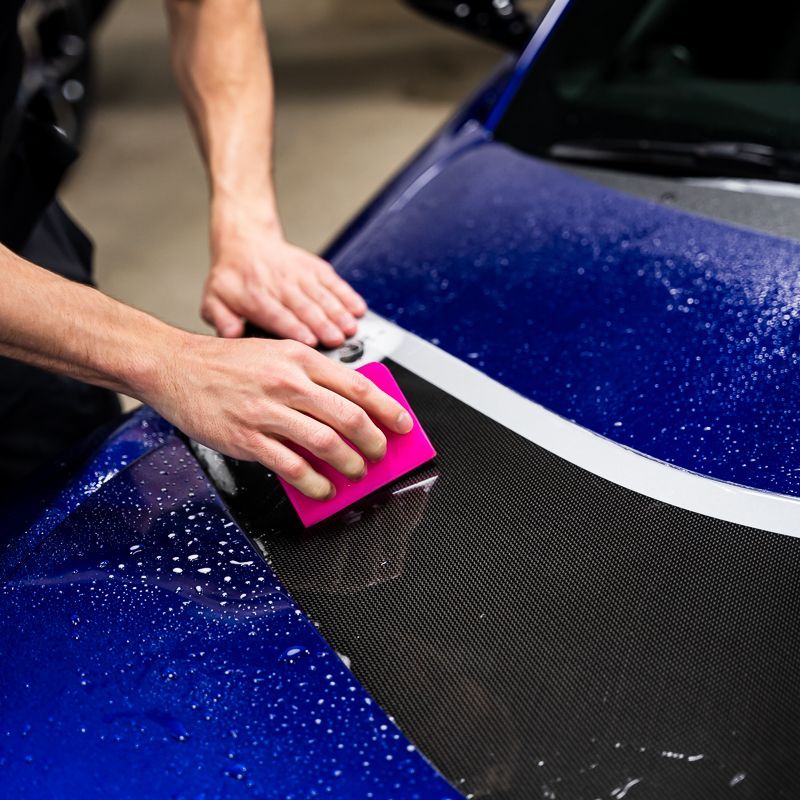
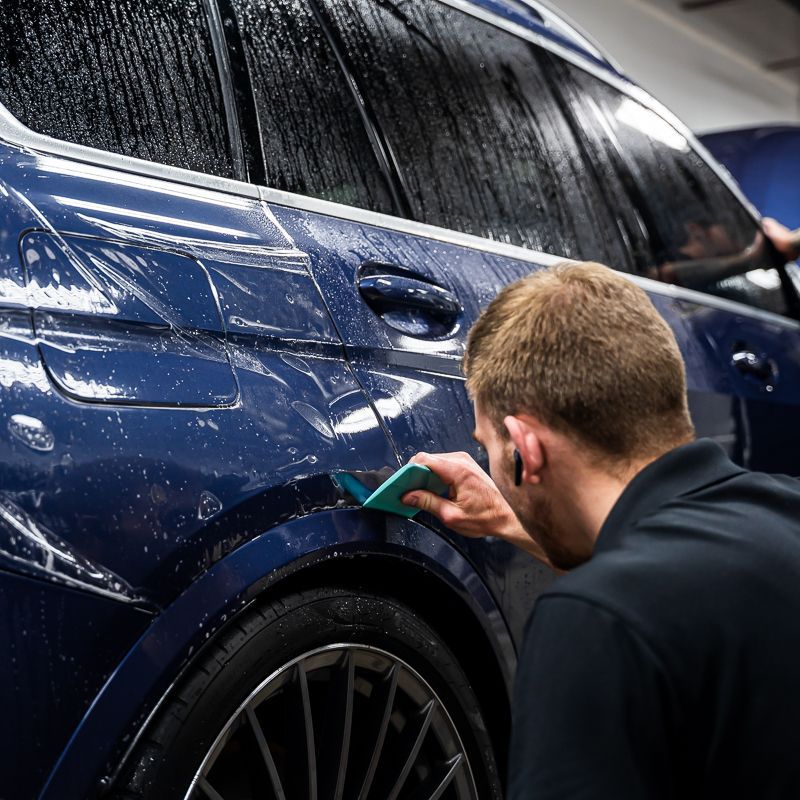
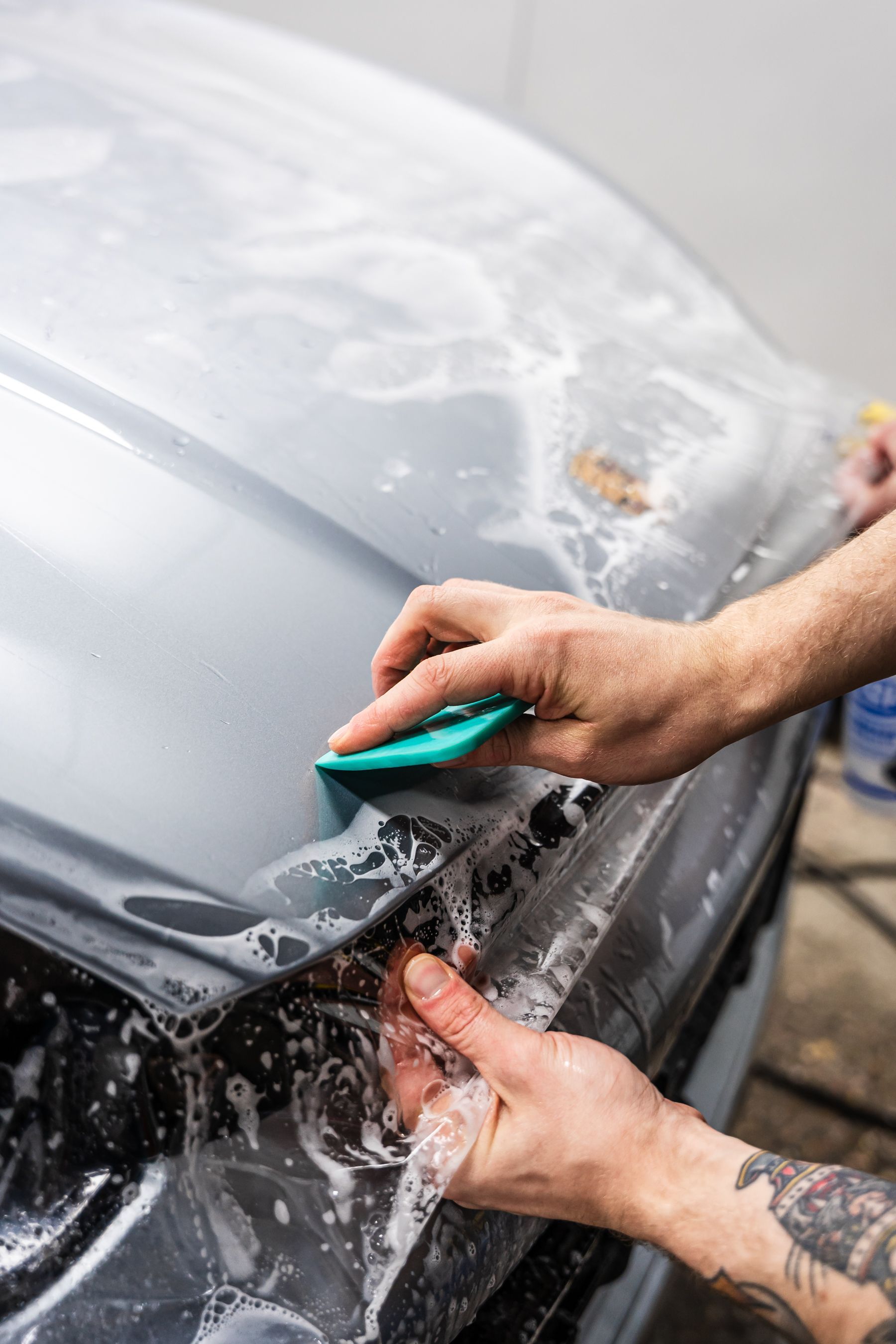
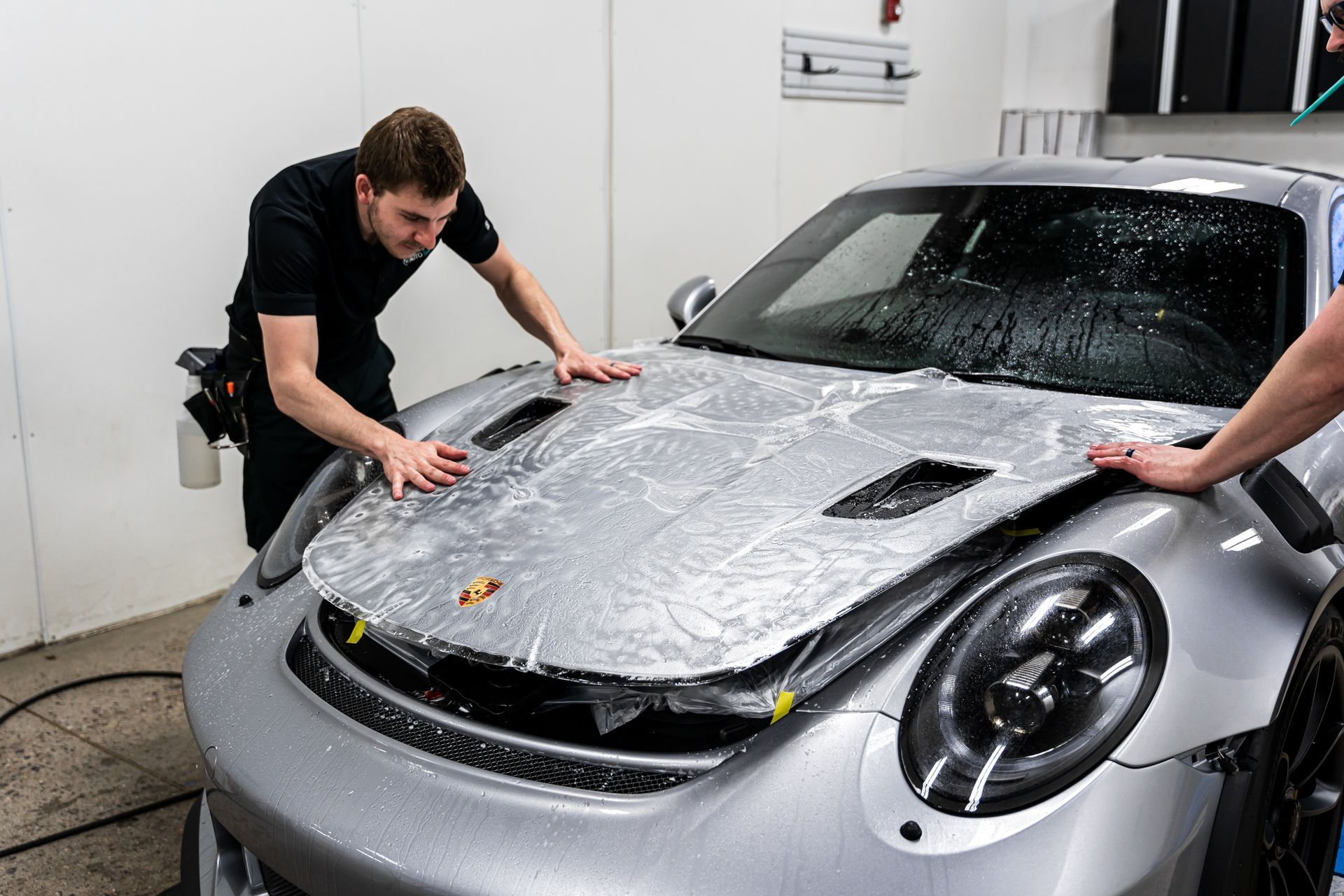
Proper installation of paint protection film is more than just applying a sticker to your car; it's a meticulous process that can make or break the film's effectiveness and lifespan. The first critical step is surface preparation. This involves thoroughly cleaning and decontaminating every inch of the paintwork to remove dirt, oils, and residues that can interfere with the adhesive bond. Even tiny particles left behind can create bubbles or lead to premature lifting. Once the surface is pristine, the application begins. This step requires skillful use of a squeegee to lay the film down smoothly while pushing out any trapped air or moisture. The challenge here lies in navigating the complex curves and contours of a vehicle without causing wrinkles or stretching the film beyond recommended limits, typically no more than 10 to 15 percent stretch. Experienced installers employ slip solutions, a precise mixture of water and gentle soap, sprayed onto both the paint and film to allow repositioning before final adhesion.
After correctly positioning the film, heat application comes into play. A heat gun set between 140 and 176 degrees Fahrenheit is gently used to conform the film snugly over edges and around curves. This not only activates the adhesive but also helps in shrinking edges to minimize future lifting risks. Professional installers work methodically to optimize pressure without damaging either paint or film. Beyond technique, environmental conditions during installation matter too. Optimal ambient temperatures between 64 and 77 degrees Fahrenheit with relative humidity maintained around 40 to 60 percent create an ideal setting for adhesive curing and easier film manipulation. Installing indoors or in climate-controlled spaces helps maintain these parameters consistently. Post-installation care is essential; giving the film a 24 to 48 hour curing period before exposing it to harsh weather or vigorous washing lets adhesives fully bond while preventing early damage.
Choosing the Right Thickness for Your Vehicle
Different vehicles demand different levels of paint protection, and the choice of PPF thickness plays a pivotal role in balancing durability, aesthetics, and cost-effectiveness. For luxury and high-end cars, thicker films typically ranging from 8 to 12 mils ensure superior defense against scratches, chips, and environmental hazards. These vehicles often carry substantial investment value, making flawless paintwork essential not only for appearance but also for preserving resale price. Owners of prestigious vehicles commonly prefer full-body coverage with premium thick films that resist wear for a decade or more under normal conditions. Thicker films provide robust impact resistance, withstanding rock chips from high-speed highway driving and abrasions from road debris while offering enhanced UV protection to prevent paint fading. For daily drivers primarily used in urban environments, a thinner PPF in the range of 4 to 6 mils often suffices. These films are generally less noticeable when applied, blending seamlessly with the vehicle's paintwork. Vehicle owners seeking to mitigate common dings and minor scratches tend to apply thinner films selectively, focusing on high-impact zones like front bumpers, hoods, side mirrors, and door edge guards rather than full-body wraps. This approach optimizes cost while still delivering adequate protection against typical city hazards like parking lot scratches or road grit.
Specialty vehicles such as off-road SUVs or trucks routinely face aggressive environments laden with gravel, mud, branches, and unexpected impacts. For these cases, the thickest PPF options, between 10 and 12 mils, offer unparalleled durability. Their reinforced structure absorbs significant blunt force trauma while resisting tearing or punctures that would quickly compromise thinner films. Off-road enthusiasts also benefit from films engineered with enhanced self-healing properties paired with UV resistance and hydrophobic top coats. Selecting the right PPF thickness ultimately depends on understanding your vehicle's daily challenges and desired outcomes. Consulting experienced professionals can greatly assist by factoring in local driving conditions, climate influences such as UV exposure intensity, and personal preferences regarding maintenance frequency versus upfront investment.
Modern PPF Technology Advances
The evolution of paint protection film technology has transformed it from a simple protective shield into a smart, highly durable layer that actively preserves your car's finish. One key breakthrough is self-healing technology, which allows the film to automatically mend minor scratches and swirl marks simply through exposure to heat sources like sunlight or warm water. For Denver car owners, where road debris and frequent sun exposure are daily realities, this means less time worrying about wear and tear and more time enjoying a flawless finish without constant upkeep.
Beyond self-healing, manufacturers have integrated specialized surface treatments that enhance both functionality and ease of maintenance. Many professional-grade films now come equipped with hydrophobic and anti-stain coatings, layers engineered to repel water, oils, dirt, and other contaminants. This means your vehicle stays cleaner for longer periods, and routine washing becomes quicker and less labor-intensive. In climates like Denver's, where sudden weather changes or road grime can quickly tarnish a car's exterior, this feature helps maintain pristine clarity and brightness while minimizing maintenance efforts.
Making Your Decision
Paint protection film comes in a variety of thicknesses, and each level serves a specific purpose depending on your driving environment and expectations. Thin films, typically ranging from 4 to 6 mils, blend almost invisibly with your car's paint, preserving every curve and reflection without drawing attention to themselves. However, they are more vulnerable to significant impacts and don't last as long, usually around five years before showing signs of wear. These films are perfect for city drivers who navigate smooth roads and want basic defense against minor scratches. The 8 to 12 mil range provides heavy-duty protection. These thicker films act like armor plating for your vehicle's paint. They are especially valuable if you spend time driving on gravel roads, highways frequented by trucks tossing debris, or in harsh weather conditions that can erode and damage paint over time. This makes them a favorite among owners of luxury vehicles or those who simply want peace of mind knowing their investment is shielded.
What many might overlook is how thickness also affects maintenance routines. The robustness of heavier films means you can clean your car more aggressively without worrying about damaging the protective layer. Meanwhile, thinner films should be treated delicately to avoid premature failure. Ultimately, weighing these factors comes down to your personal driving habits, local environment, and the value you place on your vehicle's appearance over time. Consulting with a seasoned professional installer can clarify which thickness hits the ideal balance for you, whether that's barely-there protection or a fortified shield that stands up to the toughest conditions. Choosing the right PPF thickness is less about picking a number and more about matching protection to lifestyle. Selecting the correct PPF thickness transforms your vehicle's defense from guesswork into a tailored solution, ensuring both beauty and durability endure through every mile driven.
Premium PPF in Littleton, CO
Give your car the advanced protection it deserves with Denver Auto Shield’s
top-tier paint protection film services in Littleton, CO. Our team applies industry-leading PPF designed to defend your finish against road debris, weather exposure, and everyday wear while keeping your vehicle’s appearance crisp and clean. With expert installation and options tailored to your driving needs, you can enjoy long-lasting clarity and confidence every time you’re on the road. Contact Denver Auto Shield today to
schedule your PPF consultation and experience the difference true protection makes!