Why Professional Drivers Trust Paint Protection Film for Their Vehicles
If you've ever wondered how professional drivers keep their vehicles looking sharp despite tough road conditions, paint protection film (PPF) might be the answer you're looking for. It's more than just a clear layer on your car. It's a smart shield that guards against everything from flying rocks to sun damage. In this article, we'll break down why so many drivers trust PPF to protect their investment and keep their rides in great shape mile after mile.
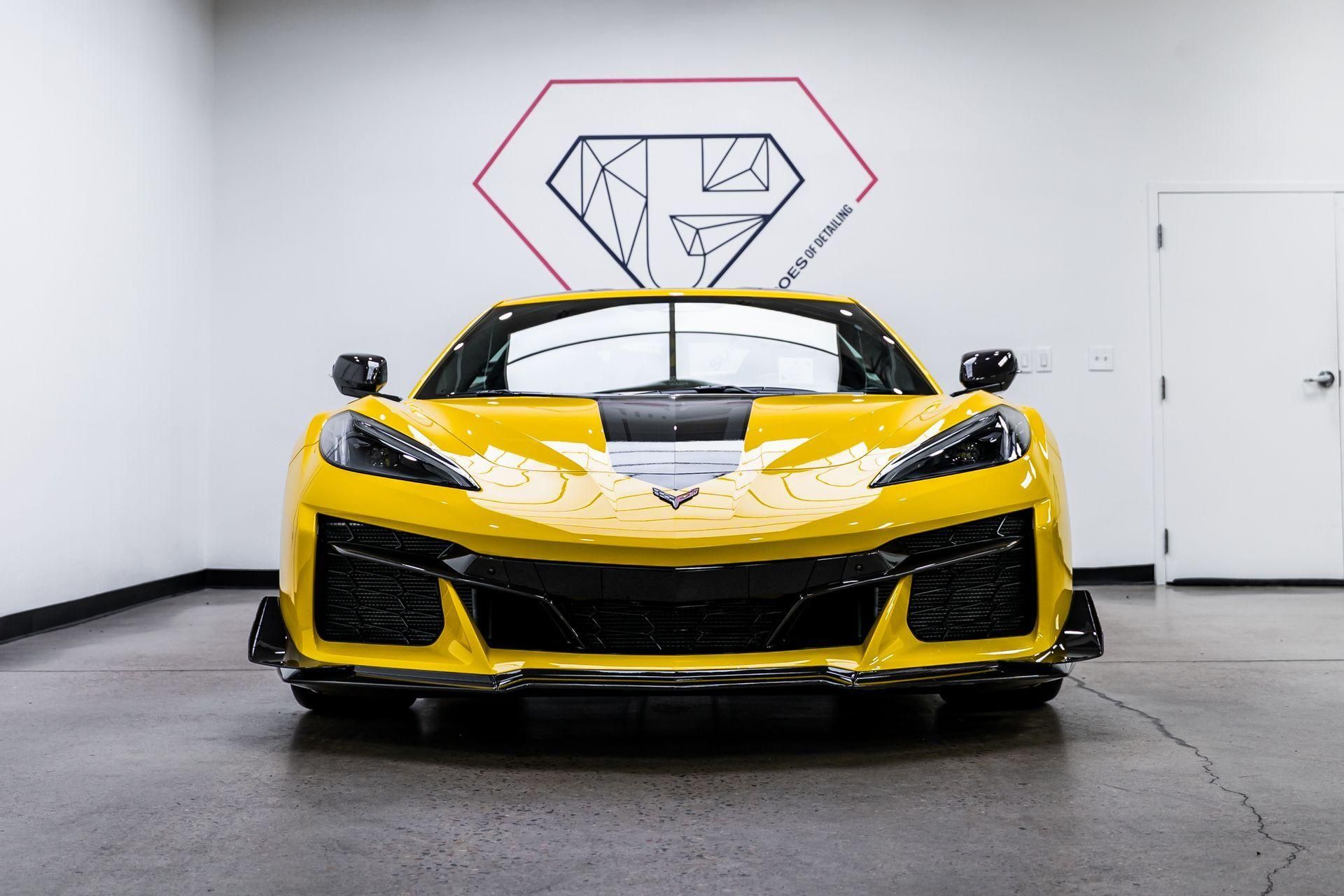
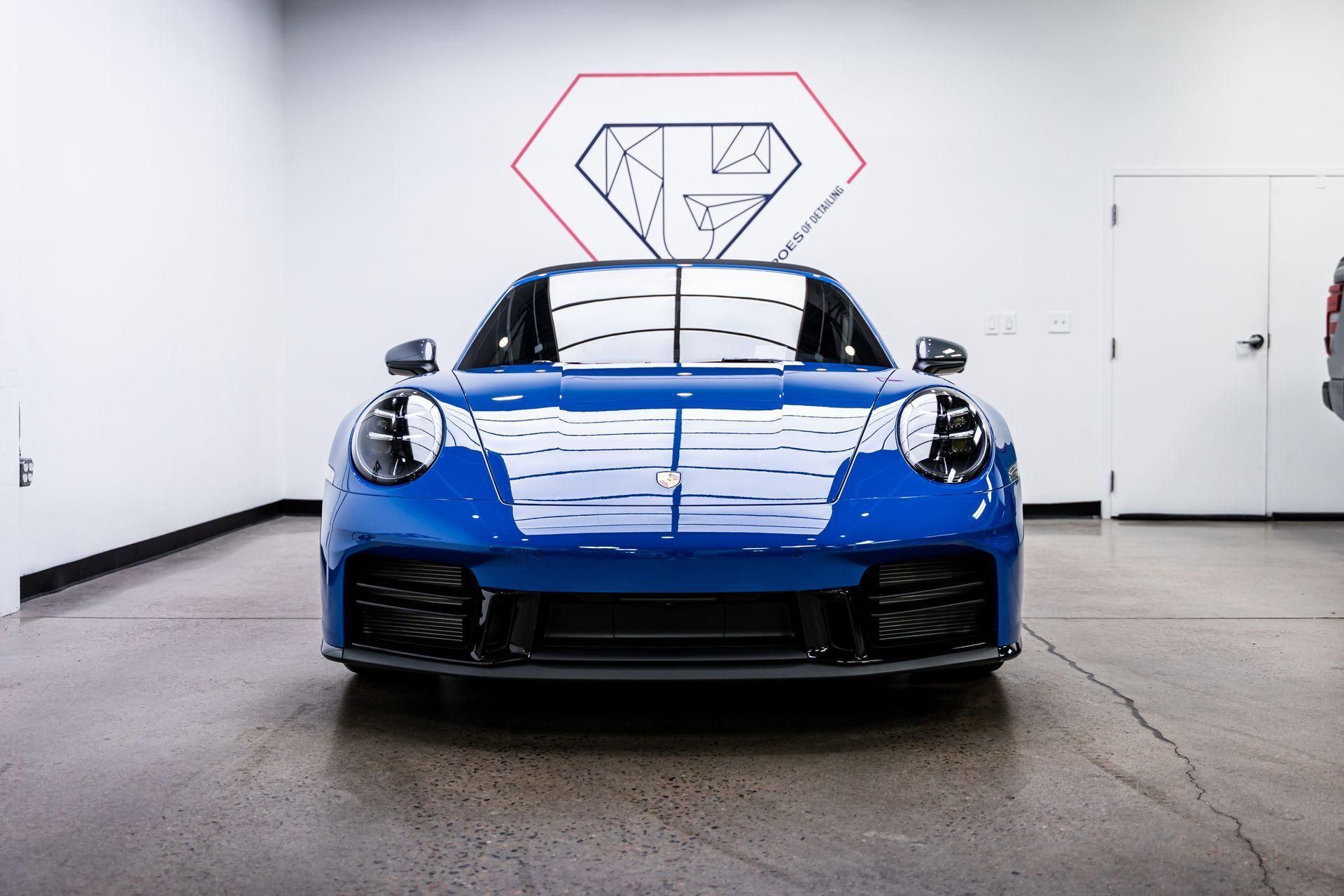
Professional drivers rely on paint protection film because it offers superior protection against environmental hazards like UV rays, road debris, and chemical contaminants, preserving their vehicle's appearance and performance. Additionally, high-quality PPF prevents costly paint damage, maintains resale value, and provides a nearly invisible, self-healing protective layer that ensures their cars look pristine during demanding daily use.
Enhanced Protection for Your Vehicle
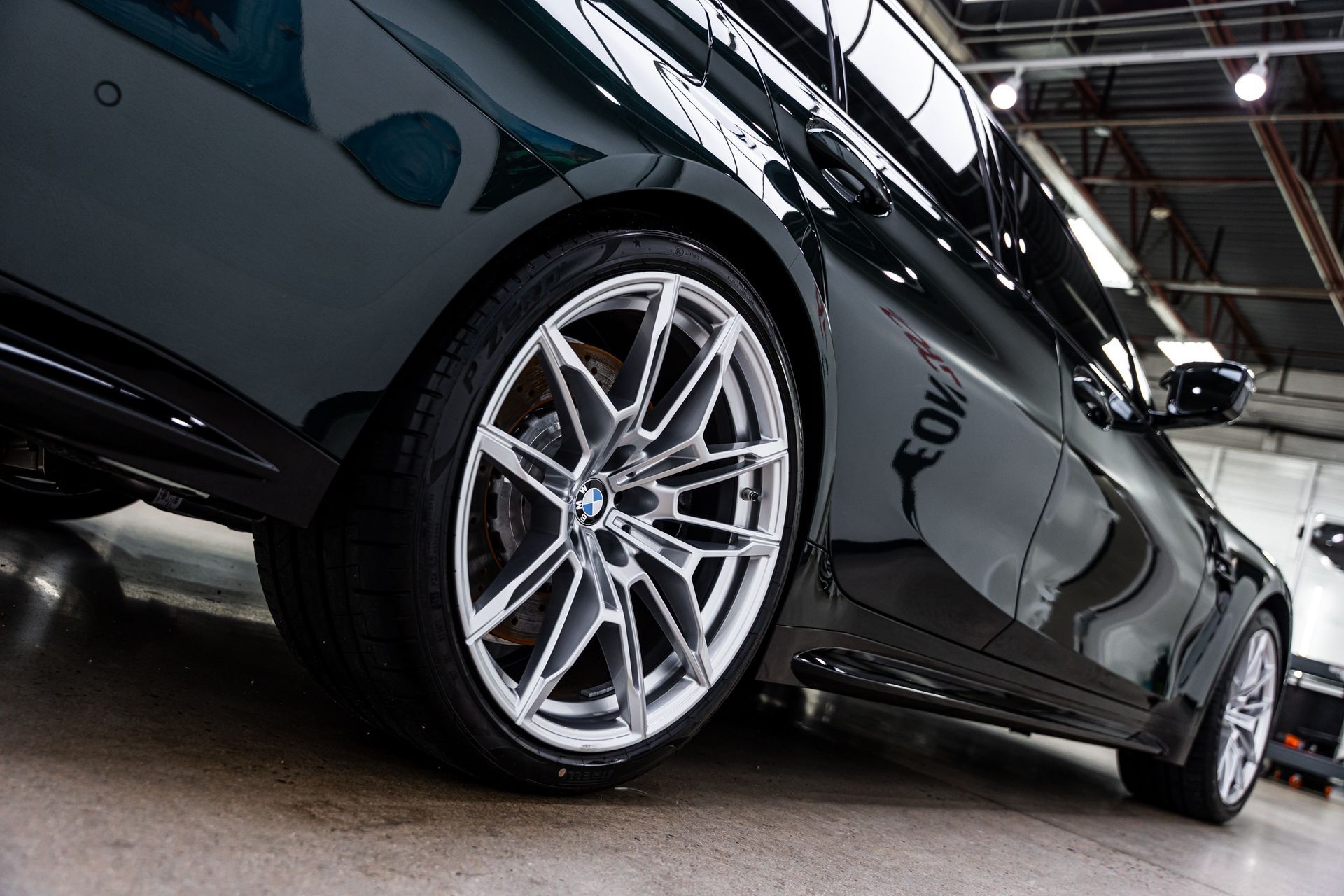
Paint protection film acts as a nearly invisible shield that takes the brunt of damage from elements that would otherwise degrade a vehicle's paint. The reality is, even a cautious driver can't avoid flying debris. Tiny stones, salt, or sand that bounce up at high speeds can leave chips or scratches on the car's surface. PPF absorbs and disperses this impact energy, significantly reducing paint damage. This strength comes from its thickness, typically between 6 and 8 mils, which forms a robust yet flexible barrier against abrasions. Beyond physical chips, ultraviolet rays pose a silent threat by causing paint fading and oxidation over time. Quality PPF blocks the majority of UV radiation, effectively preserving color vibrancy for years. For professional drivers who log thousands of miles weekly under relentless sunlight, this translates to a maintained showroom finish rather than dull, weathered paint.
A standout feature increasingly appreciated among users is the self-healing property of modern PPF films. Minor scratches and swirl marks, which are inevitable during daily use, can disappear within a day or two when exposed to heat from sunlight or an engine's warmth. This ongoing renewal keeps the vehicle's surface looking flawless without constant touch-ups, saving both money and time in maintenance. Durability is another key factor. Most premium PPFs last between 5 and 10 years depending on climate and driving conditions, providing drivers with peace of mind across multiple years of heavy use.
Why Professional Installation Matters
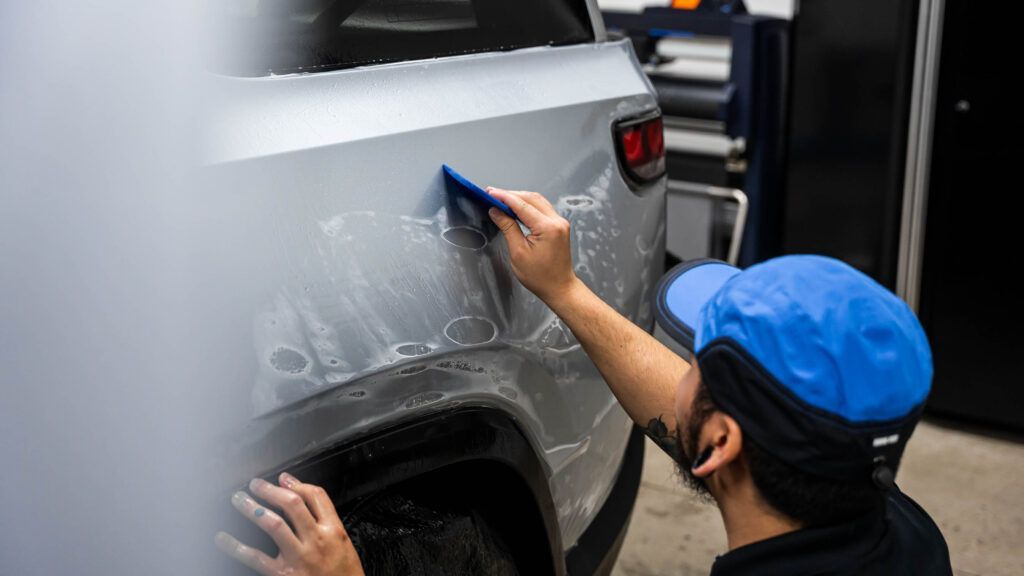
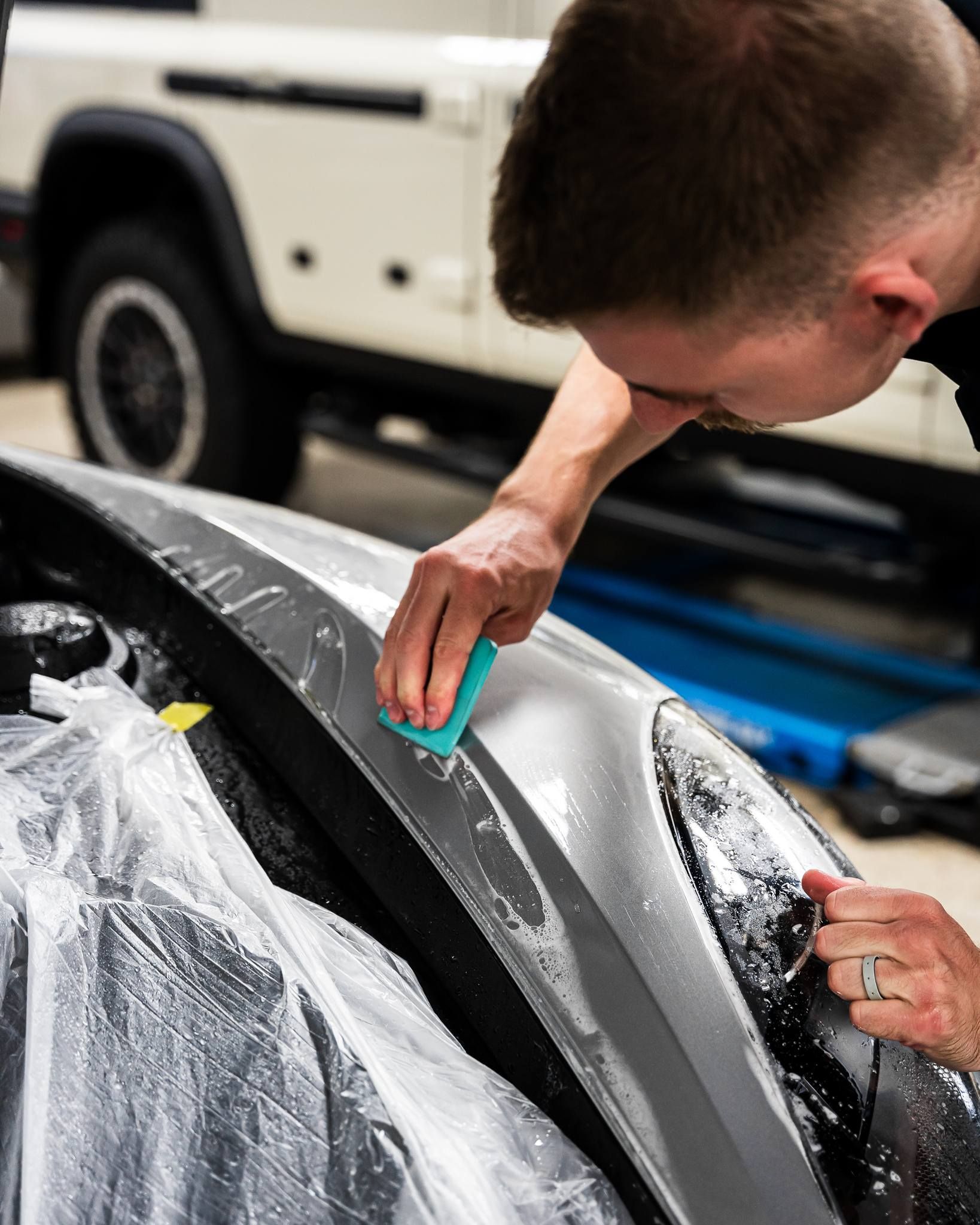
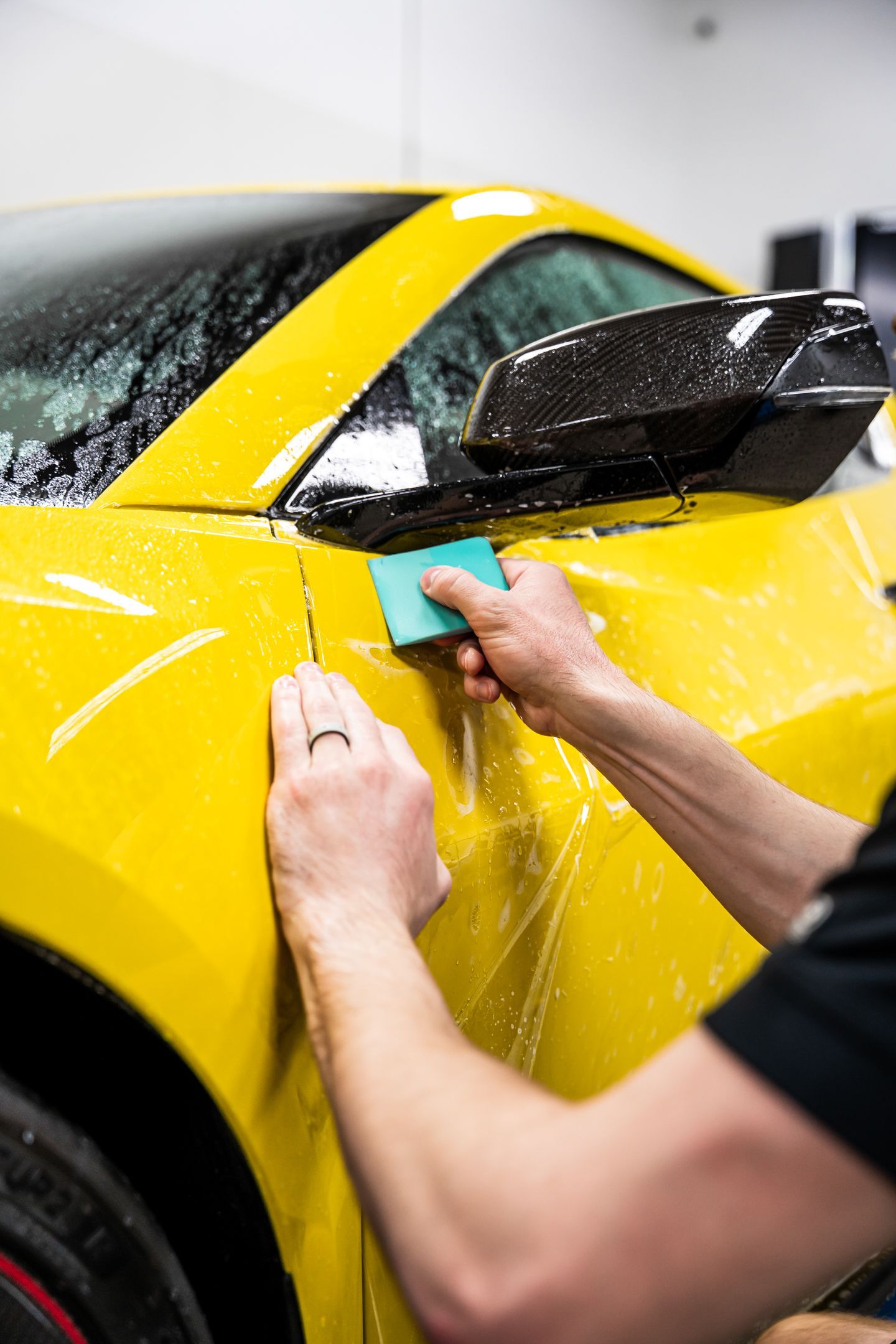
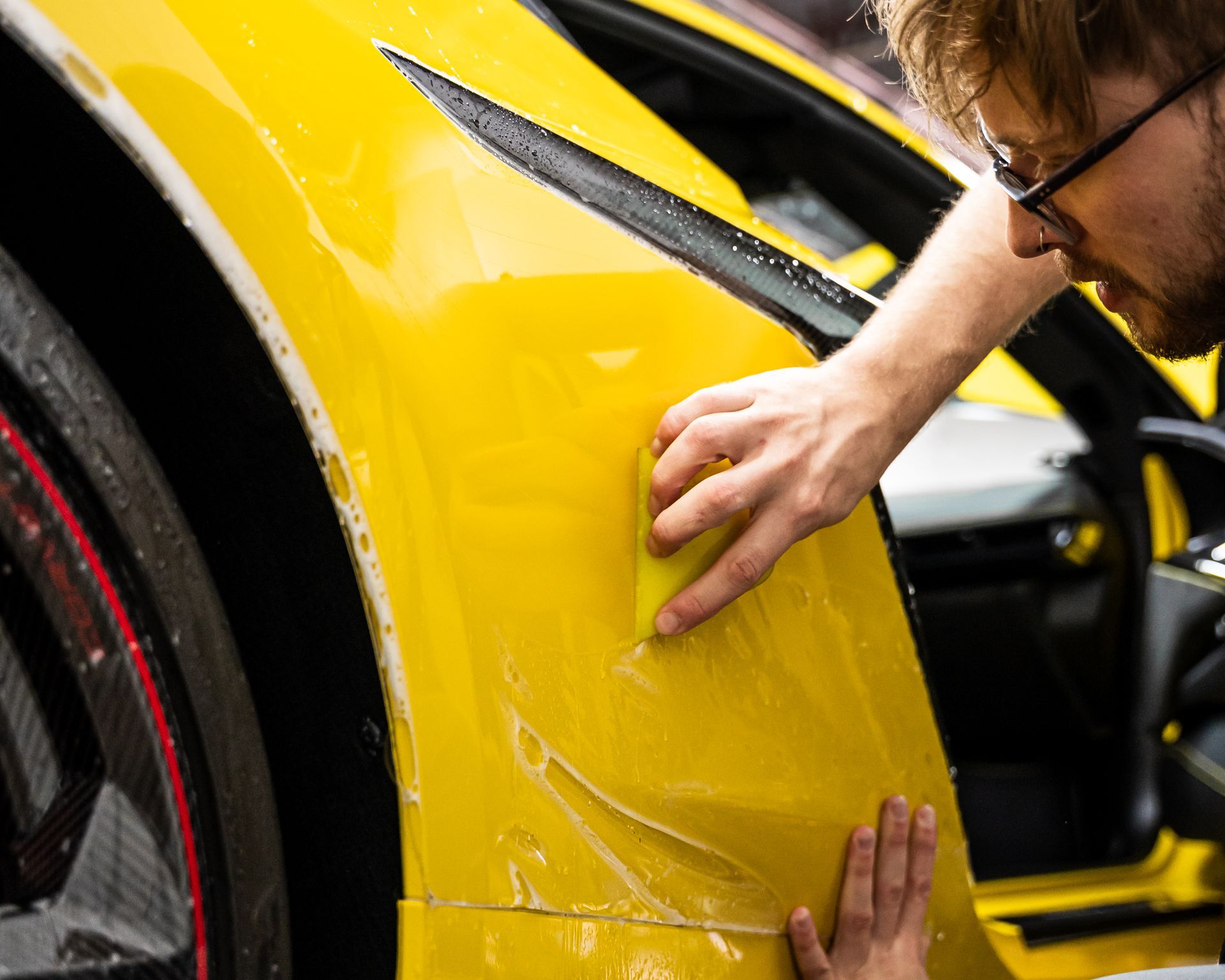
While the benefits of PPF itself are considerable, the quality of installation dramatically influences its effectiveness. Professionals use computer-cut technology tailored to each vehicle's unique contours, ensuring seamless coverage without unsightly bubbles or peeling edges. This precision protects every vulnerable inch from damage, from bumpers and hoods to side mirrors, with consistent durability.
Attempting DIY installation often results in uneven application that compromises both protection and aesthetics. For professional drivers who depend on reliability and flawless appearance, trusting specialists for film application is well worth any additional upfront cost. Additionally, reputable installers conduct thorough paint inspections before applying PPF, identifying existing imperfections that might need addressing first. This step ensures the film adheres properly and extends its life while enhancing the vehicle's overall look.
Aesthetic Maintenance with PPF
Imagine your vehicle as a prized possession that deserves constant care. Paint protection film acts like an invisible shield that preserves your car's deep, rich color by blocking harmful ultraviolet rays. Just like how applying sunscreen protects our skin from sun damage, PPF defends your paint against fading and oxidation caused by prolonged sun exposure. This not only maintains the vibrancy but also helps keep the vehicle's exterior glossy and fresh for years longer than unprotected surfaces. What sets professional-grade PPF apart is its remarkable clarity and smooth finish, which means it won't dull or obscure your paintwork. Many modern films even boast self-healing properties. Tiny scratches disappear within a day or two when temperatures are right, maintaining that flawless surface without constant touch-ups. For drivers who rely on their vehicle's appearance to impress clients or make first impressions, this feature is invaluable.
Keeping a vehicle looking pristine isn't just about visual pride. It directly impacts resale value. Well-maintained exteriors attract more buyers and command higher prices because they signal to potential owners that the car has been cared for meticulously from the start. Vehicles with PPF maintain a showroom-like finish for significantly longer than those left unprotected, effectively adding more value when it comes time to sell. The way PPF integrates seamlessly with your car's paint is another advantage. It does not alter or mask the original color or finish, allowing every curve and nuance of your vehicle's design to shine through vividly. Ongoing maintenance of PPF requires far less effort than constant polishing or waxing of bare paint. A simple wash routine preserves the film's pristine condition without the risk of harsh chemicals fading or damaging the underlying paint. This ease of care appeals particularly to busy drivers who want long-lasting beauty without frequent upkeep.
Resistance to Road Debris and Environmental Damage
When you're behind the wheel navigating crowded highways or winding back roads, your vehicle faces a barrage of threats beyond just scratches. Small stones, dust, and even invisible chemical assaults like acid rain chip away at paint integrity. This is where paint protection film becomes indispensable. Acting as a formidable shield, PPF absorbs the brunt of impacts from road debris such as gravel and tiny rocks that can otherwise cause chips and dents. Its thickness, generally between 6 and 8 mils, provides this physical toughness while remaining virtually invisible.
Beyond physical impacts, nature often presents less obvious dangers. Bird droppings carry acidic compounds that, if left untreated, etch deeply into automotive paint. Tree sap can be sticky and resistant to washing off, potentially leaving permanent marks if allowed to settle. Professional-grade PPF barriers are designed with chemical resistance in mind. They block harmful UV rays, which otherwise lead to paint fading and oxidation, preserving both the shade and gloss. Plus, self-healing properties found in many modern PPF films allow minor scratches caused by everyday usage to vanish within a day or two when exposed to heat, keeping the surface looking fresh without constant touch-ups.
These protective features dramatically reduce maintenance demands over time. Using PPF cuts down expenses significantly by preventing stains and physical wear before they occur. Installation quality plays an essential role here since flaws like bubbles or poorly adhered edges can compromise these protective attributes. That's why investing in a certified professional service ensures complete coverage tailored precisely to each vehicle's curves and contours, with no weak spots allowed.
Cost-Effective Long-Term Investment
Although the upfront cost of paint protection film might make some car owners hesitate, the long-term savings can more than justify the initial expense. Professional drivers, who clock thousands of miles annually, often face frequent wear and tear, including scratches from gravel, dents from road debris, and fading from sun exposure. With PPF in place, they significantly cut down on costly paint repairs and touch-ups that would otherwise pile up over time. Think of it like buying insurance for your vehicle's exterior. You pay once but reduce ongoing risks and expenses.
Professional PPF installations can range from more affordable partial front-end coverage to comprehensive full-vehicle protection. While that might sound steep initially, the film's typical lifespan extends up to 10 years with proper upkeep. This means the annualized cost often works out to a reasonable amount, less than many routine maintenance costs drivers already accept without question. Consider average paint repair costs for minor scratches or chips, which can easily run several hundred dollars per incident. A single paint job or touch-up after an unlucky highway gravel strike could erase several years' worth of PPF savings in one go.
Beyond cost savings on repairs, PPF is a tool for maintaining resale value. Cars with well-preserved paintwork attract higher offers at trade-in or sale time because buyers want assurance that their new purchase won't need immediate cosmetic work. Maintaining this pristine look is essential for luxury or high-performance vehicles, where even minor imperfections can significantly reduce perceived value. It's also worth noting that investing in professional installation ensures the film performs as intended. Precise cutting and expert application avoid bubbles or peeling that might otherwise diminish both effectiveness and curb appeal.
Benefits Over Traditional Paint Jobs
Paint protection film serves as an invisible shield that goes far beyond what a conventional paint job can achieve. While traditional paint offers color and finish, its ability to withstand environmental stressors is limited to about three to five years before signs of wear and damage become apparent. PPF, in contrast, can last up to a decade without losing its protective qualities, making it a superior choice for drivers who demand durability. The secret lies in the multi-layered polymer composition of PPF, which absorbs impacts from road debris and minor collisions, forces that often cause chips or scratches in regular paint. UV protection embedded within the film blocks the majority of harmful rays, a feature traditional paint lacks without specialized clear coats. This significantly slows down fading and discoloration. Consider how harsh weather, acid rain, and even bird droppings act like slow agents of corrosion on paint surfaces. Traditional paint jobs will eventually develop microscopic cracks or stains that dull the vehicle's appearance, whereas PPF's chemical-resistant surface repels these elements more effectively.
Moreover, maintaining PPF requires less frequent intervention than repainting or touch-ups. Maintenance costs over several years can be notably lower with PPF than with traditional paint upkeep. Repairs are often simpler since damaged film sections can be replaced without repainting entire panels. The hydrophobic properties of modern PPF also contribute by making water and dirt less likely to cling to surfaces. This means fewer washes are needed to keep your car looking showroom fresh, a practical edge especially for drivers constantly on the road or exposed to challenging environmental conditions. This blend of resilience and low upkeep makes PPF not just a protective cover but an enhancement that maintains vehicle integrity both visually and structurally over time.
Professional Installation and Long-Term Care
Installing paint protection film involves more than just sticking a layer of film onto a vehicle's surface. It is an exacting craft that requires precision, skill, and specialized knowledge. A professional installer understands the subtle curves and intricate details of each vehicle model, enabling them to contour the film with remarkable accuracy. This precision ensures that the PPF smoothly hugs every edge without bubbles, wrinkles, or unsightly seams that can compromise both appearance and protection. Proper installation means selecting the right adhesive strength and applying the film at the correct temperature and humidity, factors often overlooked in DIY attempts but crucial for long-term durability. A poorly applied film might not only peel prematurely but also trap dirt and moisture underneath, accelerating paint damage instead of preventing it. Choosing a certified installer is essential, not just for flawless application but also for warranty coverage.
Once your paint protection film is in place, caring for it doesn't require a vast commitment. The film is engineered to be durable and resilient, yet like any surface exposed daily to the elements and road grime, it benefits greatly from thoughtful upkeep. Regular washing with mild soap and water remains the cornerstone of maintaining clarity and functionality. Steer clear of abrasive cleaners or brushes when cleaning PPF because their rough textures can cause micro-scratches that dull the finish over time. Instead, soft microfiber cloths or sponges ensure that dirt and dust lift cleanly away without damage. Vigilance is also key. Periodic inspection lets you spot any issues early before they develop into costly repairs. Look out for lifting edges, peeling, or areas where dirt accumulates beneath the film. For those aiming to maintain that showroom shine, applying a PPF-specific polish now and then is well worth the effort. These polishes enhance gloss and hydrophobic properties that help repel water and contaminants.
Ultimately, long-term care of PPF is an investment in your vehicle's preservation. By weaving simple yet effective maintenance habits into your routine, you protect both your vehicle's paintwork and the financial investment you've made in quality protection. Maintaining paint protection film thoughtfully ensures your vehicle stays protected against environmental challenges while preserving its showroom appeal, making every journey more confident and worry-free.
Advanced PPF in Glendale, CO
Denver Auto Shield delivers high-quality paint protection film solutions for Glendale drivers who want reliable defense and consistent shine. Our precision-installed PPF creates a durable, nearly invisible barrier that helps preserve your paint through busy commutes, weekend drives, and unpredictable weather. With carefully selected films engineered for clarity and toughness, your vehicle stays looking newer for longer. Reach out to Denver Auto Shield today to schedule your PPF service and enjoy long-lasting peace of mind!