Auto Window Tint Maintenance: Expert Tips to Keep Your Tint Clean and Consistent
Taking care of your car's window tint plays a bigger role than most drivers realize. Good maintenance keeps your ride looking sharp while protecting the tint from damage that can sneak up without warning. If neglected, your tint can bubble, peel, or fade, turning what was once sleek into a costly eyesore.
With a few simple steps and the right products, you can keep your window tint in great shape for years to come. The key is to use a soft microfiber cloth with a pH-neutral, ammonia-free cleaner applied directly to the cloth and not the window. Avoid abrasive materials and harsh chemicals, inspect the tint regularly for signs of bubbling or peeling, and wait at least 3 to 5 days after installation before rolling down your windows to let the adhesive fully cure.
Routine Maintenance for Tinted Windows
Keeping your tinted windows clean on a weekly basis is about more than aesthetics. Dust, dirt, and smudges act like tiny abrasives that can wear down the protective film if left unattended. A soft, lint-free microfiber cloth is your best tool. It gently hugs the surface without scratching, catching particles rather than dragging them across the film. Avoid harsh scrubbing or coarse materials, as even slight scratches can dull the finish over time.
Your choice of cleaning solution matters just as much. Ammonia-based cleaners may seem convenient, but they aggressively degrade the polyester base of the tint. Instead, opt for a pH-neutral product designed for tinted windows or a simple mix of one part vinegar to three parts water. Always apply the cleaner to your cloth rather than spraying it directly on the glass. This prevents excess liquid from seeping under the edges, which can weaken adhesive bonds and cause peeling.
Monthly Detailed Inspection
A monthly inspection helps you catch problems before they escalate. Pay close attention to the edges, as bubbling and lifting often start there due to moisture or temperature changes compromising the seal. Discoloration or hazing can signal UV damage or chemical breakdown, which may call for a professional evaluation.
Think of this inspection like checking your tire pressure or oil levels. Spotting an issue early often means a simple repair rather than a full replacement, saving you both time and money. It also helps to keep your interior humidity below 60%, since excess moisture trapped behind the film accelerates bubbling and deterioration. Whenever possible, park in shaded areas or use sunshades to limit prolonged UV exposure that fades color and weakens adhesives over time.
Best Products for Cleaning
Not all cleaners are created equal for tinted windows. Household glass cleaners often contain ammonia, which is effective at cutting grease but damaging to aftermarket tint films. Ammonia attacks the adhesive layer, leading to bubbling, peeling, or a purple discoloration that starts subtly and worsens over time.
Stick to ammonia-free, pH-neutral formulations designed specifically for tint maintenance. These are tough enough to remove dirt while staying gentle on the film and surrounding trim. Some products also include UV protection, which helps shield the adhesive from sun damage and extends the life of your tint considerably.
For best results, spray your cleaner onto a microfiber cloth rather than directly onto the glass. This avoids overspray drifting onto door seals or trim where residue can cause deterioration. Use the two-towel method, one towel for wiping and one for buffing, to reduce streaks and keep oils from transferring back onto clean glass.
Techniques to Avoid Scratches and Streaks
Always use a soft microfiber cloth. These are designed to glide over delicate surfaces without causing abrasion. Paper towels or rough fabrics may feel convenient, but they leave tiny scratches or fibers in the film that accumulate over time, dulling your windows and reducing heat rejection.
When wiping, use gentle circular motions rather than scrubbing back and forth. Swirling the cloth evenly spreads the cleaning solution, lifts grime efficiently, and reduces the streaks that catch light uncomfortably while driving.
Make a habit of rinsing or changing your microfiber cloth frequently during the cleaning process. Dirt and grit accumulate quickly in fabric fibers, turning your cleaning tool into a potential aggressor. Even tiny particles trapped in a dirty cloth can cause micro-abrasions that worsen with repeated cleanings. Your window tint is a high-precision film engineered for UV protection and heat rejection, and it deserves to be treated with care.
Methods to Prevent Tint Fading
Tint fading is a slow process that sneaks up on car owners. Even the best window films gradually lose their luster under harsh, prolonged sunlight. The simplest defense is shading, as parking out of direct sun reduces the UV exposure that breaks down the dye and adhesive layers responsible for that dull, discolored look.
When shade parking is not an option, pair it with other protective habits. UV-protective cleaning products designed for automotive tints create an invisible shield over the surface, reducing the impact of sunlight every time you clean. Apply them consistently, about once every one to two weeks, depending on your climate and driving habits.
Those in sunnier regions or coastal areas where salt air contributes to film degradation should be especially vigilant. Modern nano-ceramic or graphene-infused films offer enhanced UV resistance, but no film is completely immune without proper care.
Preventing fading is ultimately about giving your tint the environment and protection it needs to perform at its best. It is a blend of smart parking habits and the right products that pays off in both appearance and your car's resale value.
Troubleshooting Common Issues
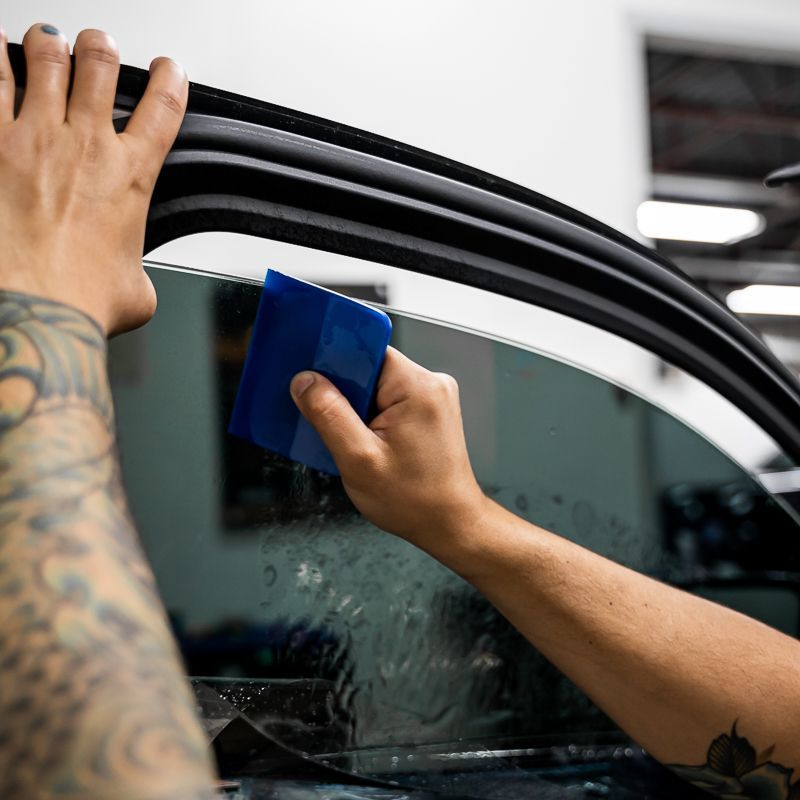
- Bubbles: These are among the most frequent problems, usually caused by moisture or dust trapped beneath the film during installation. Use a pin to carefully pierce the bubble just enough to release the trapped air or moisture without tearing the film. Then, using a credit card wrapped in a soft cloth, gently press outward from the puncture to smooth the area flat.
- Peeling: It typically signals that the adhesive has weakened, often from prolonged heat exposure or a poor initial installation. A heat gun set to a controlled temperature can reactivate the adhesive so you can press the tint firmly back against the glass. Be careful, as too much heat can warp or discolor the film, while too little will not solve the problem. After warming, apply steady pressure with a soft cloth to ensure full contact.
Catching these issues early during routine cleaning or car washes can prevent complete failure. Keeping your tint clean and avoiding abrasive cleaners or sharp objects near the surface goes a long way in reducing these risks.
Best Practices for Long-Lasting Tint
A regular cleaning routine is the cornerstone of preserving your window tint's appearance and durability. Use gentle, approved products consistently, as routine cleaning prevents grime, pollutants, and fingerprints from settling deep into the tint layers. Weekly wipe-downs are especially important in dusty or heavily polluted areas.
Even with careful home maintenance, some issues develop beyond what the naked eye can catch. Professional inspections are a worthwhile part of long-term upkeep. Skilled technicians use specialized tools to assess adhesive bonds and detect early signs of bubbling, peeling, or fading before they become costly problems. Annual checkups are a smart investment.
Window tint is not a one-time upgrade. It is an ongoing relationship that rewards consistent attention. Follow these best practices and your tint will continue to protect your car's interior, reduce glare, and enhance privacy for years to come!
Trusted Window Tinting in Glendale, CO
Help maintain your vehicle’s interior with Denver Auto Shield’s auto window tinting services in Glendale, CO. Our team applies high-quality tint that supports UV protection, reduces glare, and keeps your cabin cooler during everyday driving. With proper installation and care, your tint remains clean and consistent over time.
Schedule your appointment today!