Paint Protection Film for High-Mileage Daily Drivers: Why It Matters
If you drive a lot every day, you probably notice how quickly your car's paint starts to show wear. Tiny chips, scratches, and fading build up with every mile, and no matter how carefully you drive, the road always seems ready to leave its mark. That's where paint protection film (PPF) comes in. This clear, durable layer acts like a shield for your car's finish, fighting off damage from rocks, weather, and everyday bumps. For drivers who put serious miles on their vehicles, PPF is more than just an add-on; it's a practical way to keep your car looking showroom-fresh even as those high-mileage days pile up.
Paint protection film offers significant long-term benefits for daily drivers by protecting paint from rock chips, scratches, and environmental damage. While the upfront cost can be substantial, selective application on high-impact areas balances protection with expense, ultimately helping maintain your vehicle's factory-quality finish and reducing costly paint repairs down the road.
The Challenges High-Mileage Drivers Face
When you're putting tens of thousands of miles on your car each year, paint damage isn't just a rare occurrence; it's practically inevitable. One of the most common culprits is road debris. Stones, gravel, and bits of metal flung up at highway speeds can strike your car's surface repeatedly, creating chips and scratches that open the door for rust and long-term degradation. Over a typical year of heavy driving, your vehicle encounters countless tiny impacts that might seem insignificant alone but collectively leave a visible toll that no amount of washing can erase.
However, it's not only physical impact from debris that high-mileage drivers must contend with. Nature itself plays a formidable role. Weather extremes add another layer of complexity to the challenge. Rainwater mixed with dirt and salt from winter roads accelerates corrosion on exposed areas. At the same time, UV rays from sunlight relentlessly fade paint colors and weaken clear coats over time, especially if your vehicle spends much of its day parked outdoors. In Denver's climate particularly, the intense sun at high altitude combined with harsh winter conditions creates a perfect storm for paint damage. Seasonal temperature swings cause materials to expand and contract, sometimes loosening seals or causing micro-cracks in the finish. For daily drivers logging significant miles, all these elements combine into a constant assault on your car's exterior integrity.
Adding to this environmental pressure are everyday hazards that many drivers face in parking lots and congested urban areas. The seemingly mundane spots where cars frequently stop are deceptively risky. Careless drivers swing their doors open without looking or misjudge distances while maneuvering in tight spaces. Shopping carts left unattended can roll into vehicles unexpectedly. These minor scrapes and dings may seem trivial compared to highway debris, but they accumulate over time and compound visual wear. Eventually, these small incidents can require costly repairs that diminish your car's resale value. Understanding these challenges clarifies why protection strategies like paint protection film appeal especially to high-mileage drivers. By shielding vulnerable areas from physical impacts and environmental damage, PPF offers a buffer that extends your vehicle's shine amid relentless daily use.
How Paint Protection Film Benefits Your Vehicle
One of the most immediately noticeable benefits of applying paint protection film is its ability to preserve your vehicle's aesthetic appeal. The film acts like a transparent shield, maintaining that glossy finish that makes your car look fresh. For drivers who spend countless miles on the road every year, this is more than just vanity; it's about protecting an investment. The everyday assaults from small rock chips, scratches from road debris, and general wear can quickly dull a paint job if left untreated. PPF slows this degradation dramatically, allowing your car's paint to stay vibrant and lustrous much longer than it would on its own. This preservation extends beyond appearance as well. By keeping the paint intact and flawless, you reduce the likelihood of costly touch-ups or repainting down the road.
A standout feature of modern paint protection films is their self-healing property. When minor scratches occur, and they inevitably will even with the most careful driving, the film isn't permanently marred. Instead, when exposed to moderate heat like sunlight or warm water, these light abrasions actually disappear within 24 to 48 hours. This means that instead of turning to frequent buffing sessions or waxing to mask imperfections, your PPF quietly repairs itself without any extra effort on your part. This self-healing ability contributes significantly to maintaining a flawless paint surface. After all, scratches don't just look bad; they create areas where dirt can cling and corrosion can begin. By erasing these marks before they settle, PPF helps prevent secondary damage that could otherwise start beneath the surface layer.
Beyond physical damage like chips and scratches, environmental contaminants pose another significant threat to automotive paint. Paint protection film serves as a robust barrier against common yet destructive elements such as bird droppings, tree sap, acid rain, and road salt. These substances contain chemicals that can etch into unprotected paint and cause permanent staining or oxidation if not removed promptly. PPF absorbs their impact rather than letting them reach your vehicle's finish. Having this invisible armor means you don't have to worry about parking under trees or unexpected encounters with environmental hazards. The film protects against color fading too because it filters out nearly all ultraviolet rays, a factor many drivers overlook until it's too late. The cumulative effect is that your vehicle maintains its factory-fresh vibrancy despite long hours in the sun or exposure to corrosive agents.
Understanding How PPF Protects Your Car
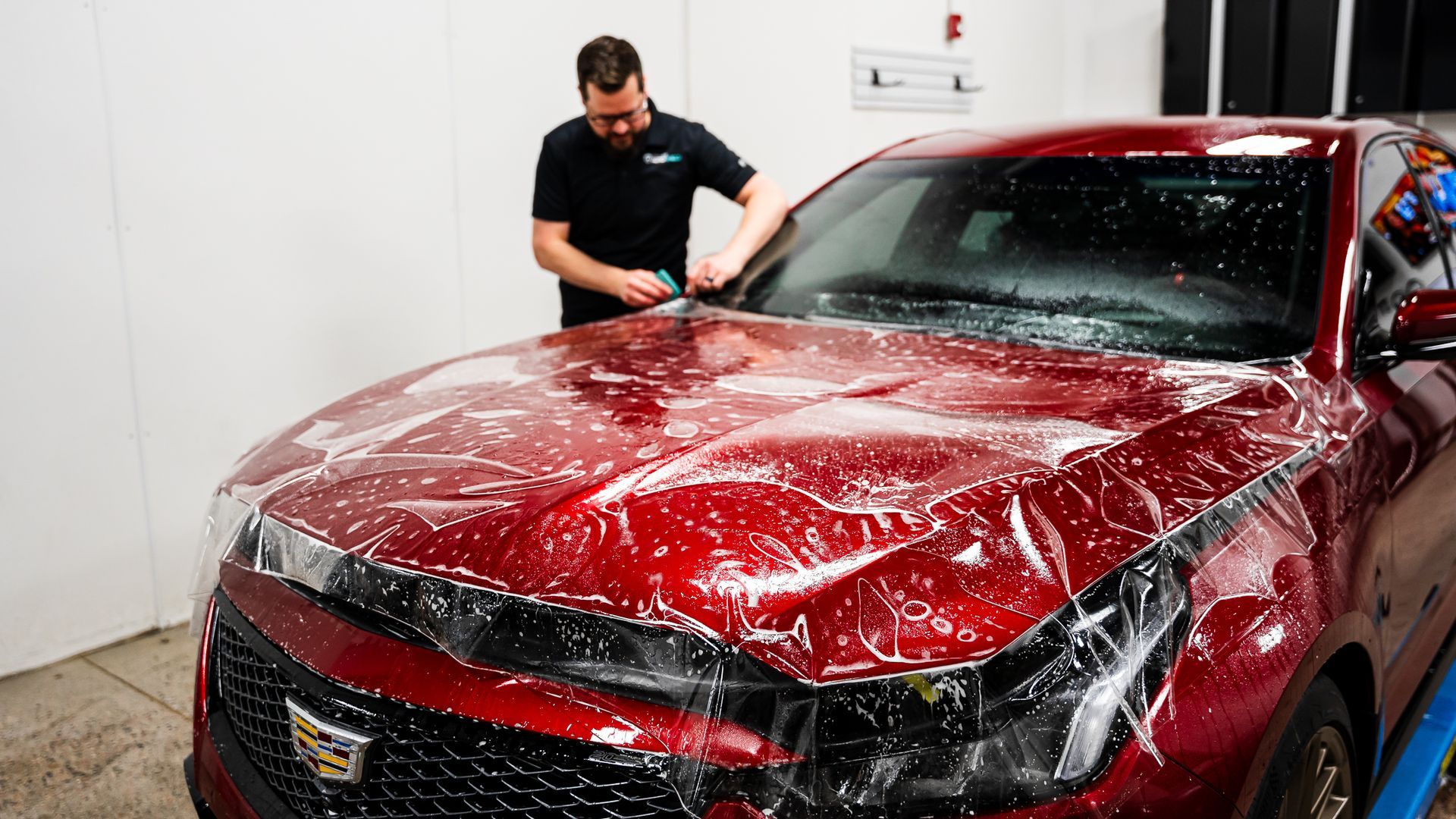
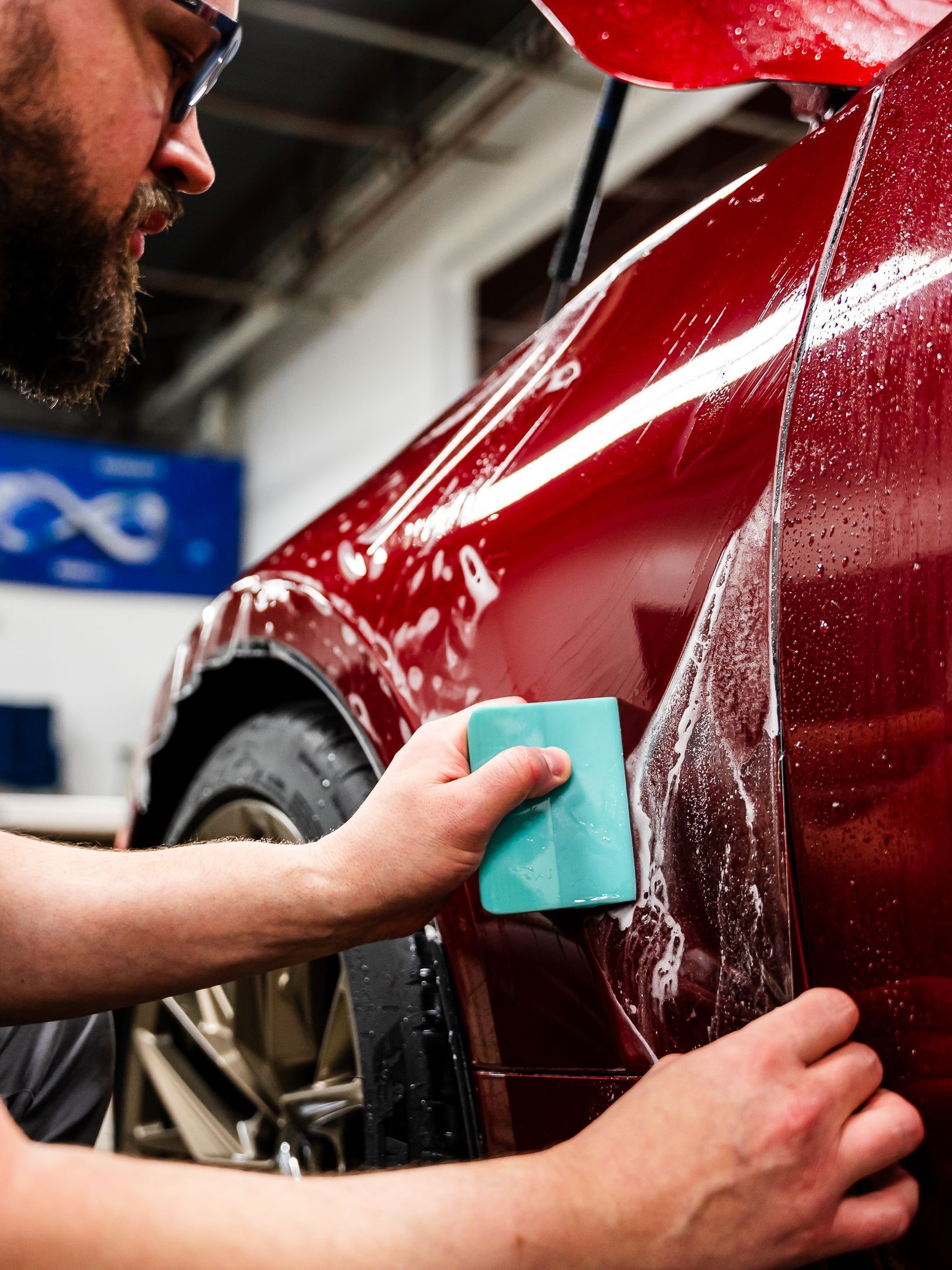
Paint protection film isn't just a thin sticker applied to your vehicle; it's a carefully engineered, multi-layered system that stands guard over your car's paint. At its heart lies a clear coat that's scratch-resistant and glossy, keeping your car looking fresh and vibrant. Beneath this surface is a tough polyurethane layer, which acts like a cushion absorbing the shocks and scrapes inflicted by stones or gravel on the highway. Finally, an adhesive layer binds everything securely to your vehicle's body without damaging the paint underneath. This layered structure grants PPF elasticity and strength, enabling it to flex and bend with your car's movements while providing robust protection against scratches and chips. The flexibility doesn't sacrifice durability but rather enhances impact absorption so that small but fast projectiles don't leave dents or scars. The typical thickness of quality PPF can reduce paint chip damage significantly, especially at common strike points such as bumpers, hoods, and mirror edges.
Beyond shielding from physical impacts, PPF also guards your vehicle against ultraviolet radiation. Exposure to UV rays is relentless and damages car paint not only by fading colors but also by accelerating oxidation that dulls shine and deteriorates the surface texture. Most quality PPFs incorporate UV inhibitors within their layers, which work transparently to absorb or deflect harmful radiation. This dual action both prevents the paint underneath from fading and extends the lifespan of the film itself. For drivers who rack up thousands of miles annually under varying weather conditions, the UV defense offered by PPF is invaluable. This means your car's appearance remains consistent over years without frequent polishing or repainting, which can be costly and time-consuming. Quality PPF resists yellowing due to sun exposure, preserving clarity and gloss for years with proper care.
What truly sets PPF apart is its ability to absorb and disperse energy from road debris collisions. Unlike traditional wax or ceramic coatings that mainly provide surface-level shine and minor scratch resistance, PPF acts as a barrier between your paintwork and aggressive forces like rock chips traveling at highway speeds. This impressive resilience significantly lowers repair costs because instead of scratches or chipping requiring repainting, damaged PPF can often be addressed without touching the underlying paint. That's a huge advantage for drivers putting in extensive mileage where encountering debris is inevitable. However, not all films are created equal. The quality of materials used in manufacturing makes the difference between a durable shield that self-heals minor abrasions versus cheaper films prone to peeling or discoloration after short-term use. Investing in professional installation ensures these performance standards are met, as improper application can reduce effectiveness dramatically through air bubbles or poor adhesion.
Longevity and Maintaining Your Investment
Paint protection film isn't just a quick cosmetic fix; it's built to endure the daily grind faced by high-mileage drivers. Typically, well-applied PPF will hold strong for seven to ten years, making it a true long-term investment in your vehicle's appearance and protection. This durability reflects advances in thermoplastic polyurethane technology that make these films resistant to abrasions, yellowing, and environmental damage, allowing them to maintain their transparency and protective function over time. However, the length of time your PPF remains effective depends heavily on how well it is installed, which is where the expertise of professionals becomes essential.
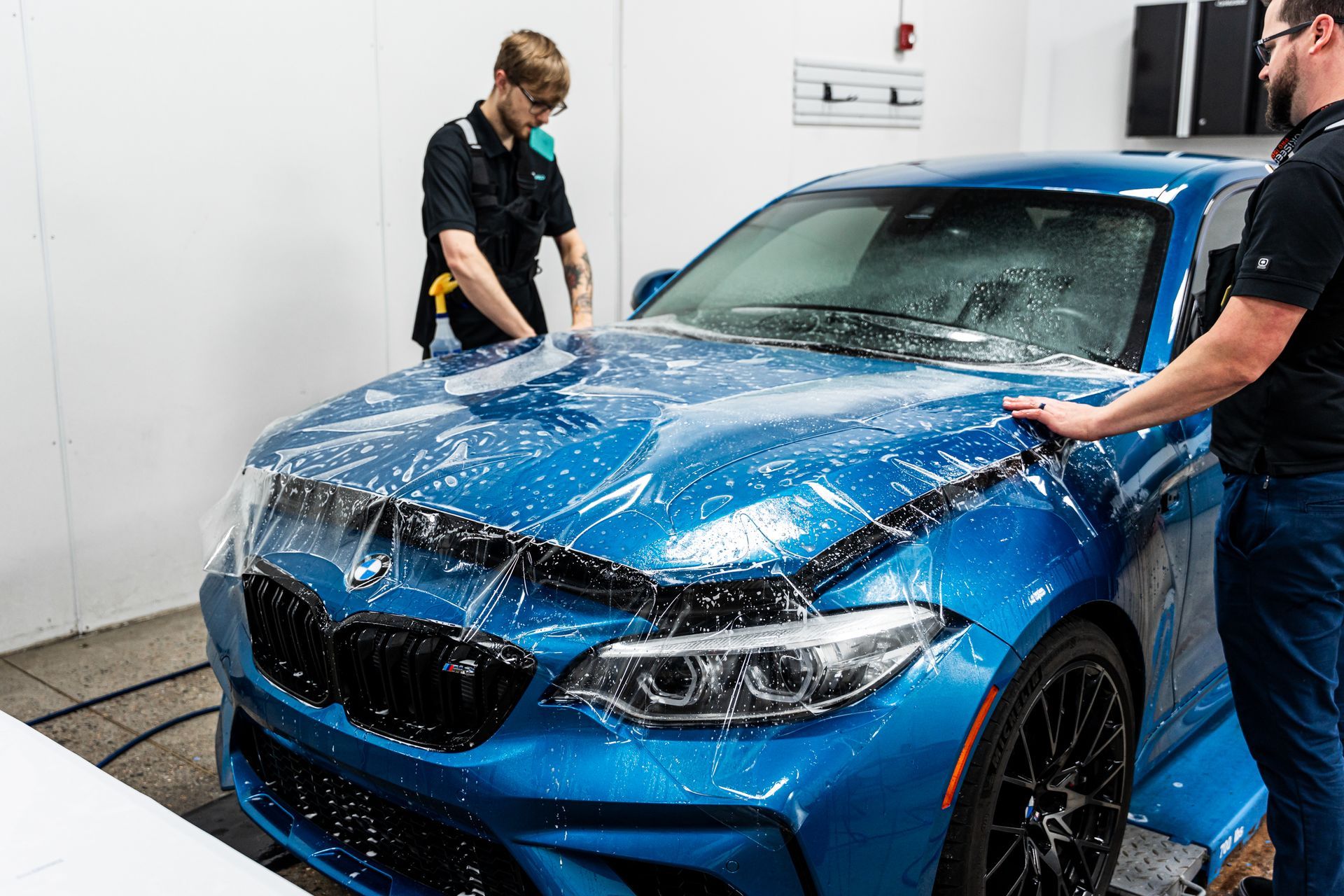
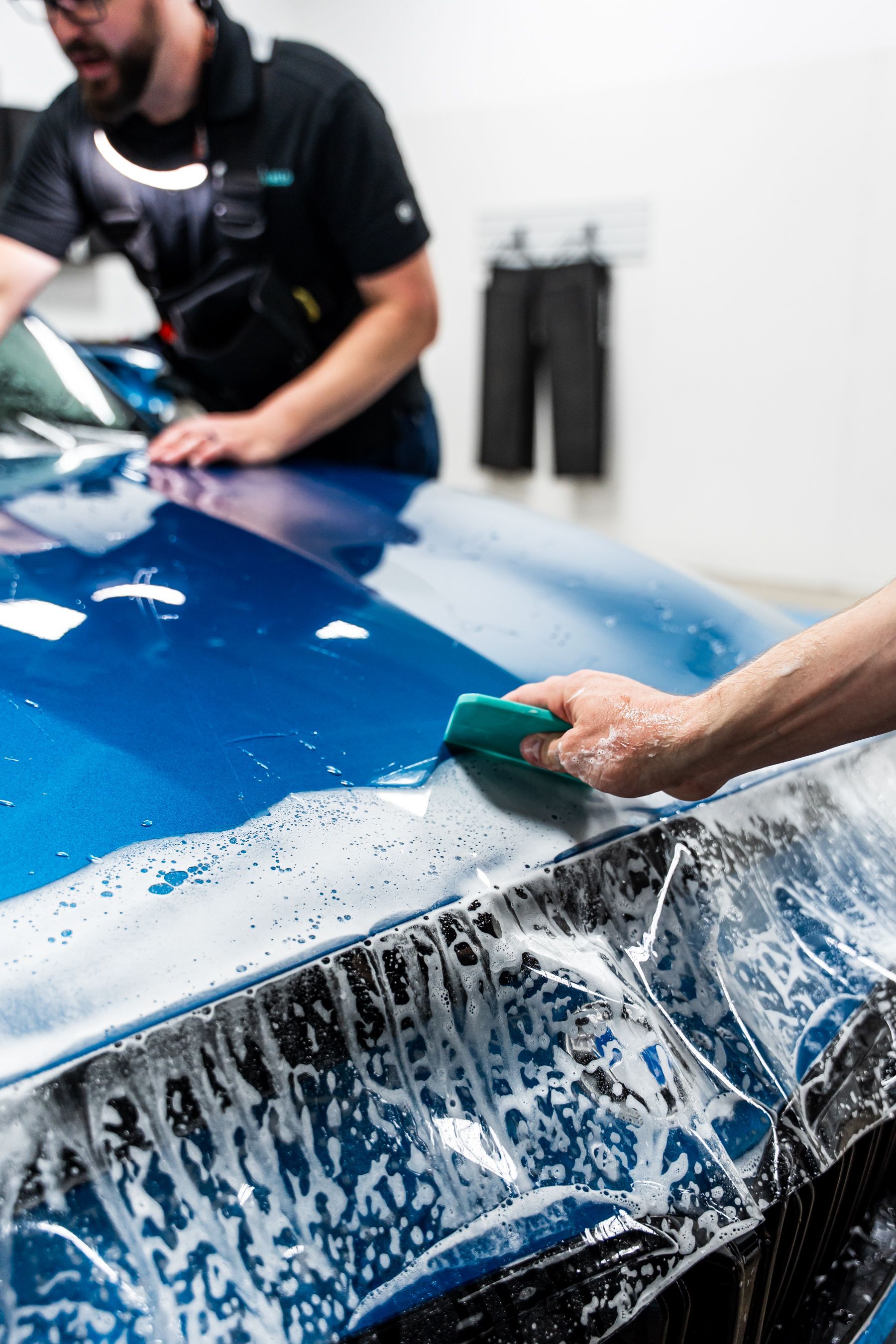
A film applied with care ensures full coverage and avoids common pitfalls such as bubbles, peeling edges, or misalignment, all of which significantly reduce the film's lifespan. Professional installers clean every surface meticulously and wrap the film properly around edges, eliminating weak points where dirt or moisture might seep in. This attention to detail results in seams that are nearly invisible and a flawless finish that withstands wear remarkably well. Skilled application directly correlates with extended durability and aesthetics, giving you the protection you paid for without premature failure or unsightly imperfections.
While skillful installation creates the foundation for longevity, ongoing maintenance makes all the difference. Keeping your PPF effective over the years largely comes down to regular care. Simply washing your vehicle often removes abrasive particles like dust and road grime before they can cause micro-scratches. Using gentle, pH-neutral soaps protects the film's topcoat from degrading prematurely. Additionally, applying PPF-specific sealants or hydrophobic coatings periodically enhances the film's natural self-healing properties and UV resistance, further extending its lifespan. Such routine maintenance does more than preserve appearance; it prevents minor scratches from becoming permanent scars by activating the film's heat-responsive self-healing top layer. Over time, this keeps your paint looking fresh without costly touch-ups or replacements.
Why the Investment Makes Sense
For drivers who rack up high mileage every day, the value of paint protection film becomes clear through real-world experience. It's not just about keeping your car looking clean on the outside; it's about preserving your vehicle against the inevitable wear and tear from constant exposure to road debris, weather, and environmental hazards. A well-applied PPF acts as an invisible shield, absorbing the assault of tiny rocks, scrapes, bird droppings, and stubborn tree sap, damage that would otherwise slowly degrade your paintwork over time.
This protection translates into real savings. Scratches and chips are not merely cosmetic issues; fixing them often means costly repainting or touch-ups that quickly add up. With PPF dramatically reducing paint damage on high-impact areas like bumpers and hoods, many daily drivers find they spend far less money and time maintaining their vehicle's exterior. Moreover, vehicles with PPF tend to retain more of their resale value compared to those without, making the upfront installation cost appear more like a strategic investment than just an expense.
The longevity of these films is impressive. Depending on quality and maintenance, PPF can last between five and ten years without significant degradation. Advanced films come with self-healing properties, meaning light scratches can vanish when exposed to heat, keeping that fresh factory finish vibrant far longer than waxing alone ever could. This durable barrier also blocks damaging UV rays that cause paint fading, another costly headache avoided. It's important to remember that while PPF doesn't make your car invincible, it does dramatically reduce the frequency and severity of surface damage experienced on everyday roads. Professional installations ensure a seamless fit and durability, minimizing concerns such as peeling edges or discolored patches when done correctly.
Beyond dollars and aesthetics, one often overlooked benefit of PPF is peace of mind. When you know your investment is protected beneath a tough yet subtle film, it frees you from constant vigilance over minor dings or chips that once caused stress. This mental ease adds value every time you get behind the wheel. For anyone driving high miles daily, whether commuting through city traffic or hitting open highways, investing in a reputable PPF installation tailored to your vehicle is a smart move. It offers long-term protection that can save money, preserve appearance, and enhance ownership satisfaction. If protecting your vehicle's finish matters to you, consider paint protection film not just as a product but as peace of mind wrapped in a clear coat.
Your Vehicle’s Best Defense Starts Here
Safeguard your paint the smart way with professional paint protection film installation from Denver Auto Shield in Lakewood, CO. Their premium films form a strong yet invisible barrier that helps preserve your vehicle’s finish against debris, harsh conditions, and frequent driving. Every installation is handled with precision to ensure long-lasting clarity and performance.
Schedule your PPF service with Denver Auto Shield!