Role of Ceramic Coating in Maintaining High-Performance Car Finish: Ultimate Guide to Durability and Shine
Keeping your car looking fresh and vibrant isn't just about washing it regularly; what really makes a difference is how well its finish is protected. Think of your car's paint as its skin, constantly exposed to harsh sun, dirt, and other elements that slowly wear it down. That's where coatings come in: they act like a protective layer, helping your car stay shiny and strong through all kinds of weather and wear. If you've ever wondered how some cars keep that high-gloss, just-polished look for years, the secret usually lies in smart coating choices.
Professional ceramic coatings form a durable molecular bond with your car's paintwork, providing superior protection against environmental hazards such as UV rays, acid rain, and contaminants like bird droppings. This protection not only preserves paint vibrancy and prevents oxidation and fading but also enhances gloss and reduces maintenance frequency by repelling dirt and water, thereby maintaining your car's high-performance finish over time.
Role of Coatings in Car Finishes
At its core, a coating acts as a robust shield between your car's paint and the relentless assault of daily environmental challenges. Imagine your car parked under a blazing sun where UV rays relentlessly beat down or exposed to acid rain that tries silently to etch into the clear coat. Over time, without proper defense, this exposure leads to oxidation, which manifests as dullness and fading—the slow theft of your car's youthful luster. High-quality ceramic coatings can block harmful UV radiation, drastically slowing this aging process and preserving the vibrancy of your vehicle's finish. This underscores how vital coatings are—not just cosmetic but fundamental protection.
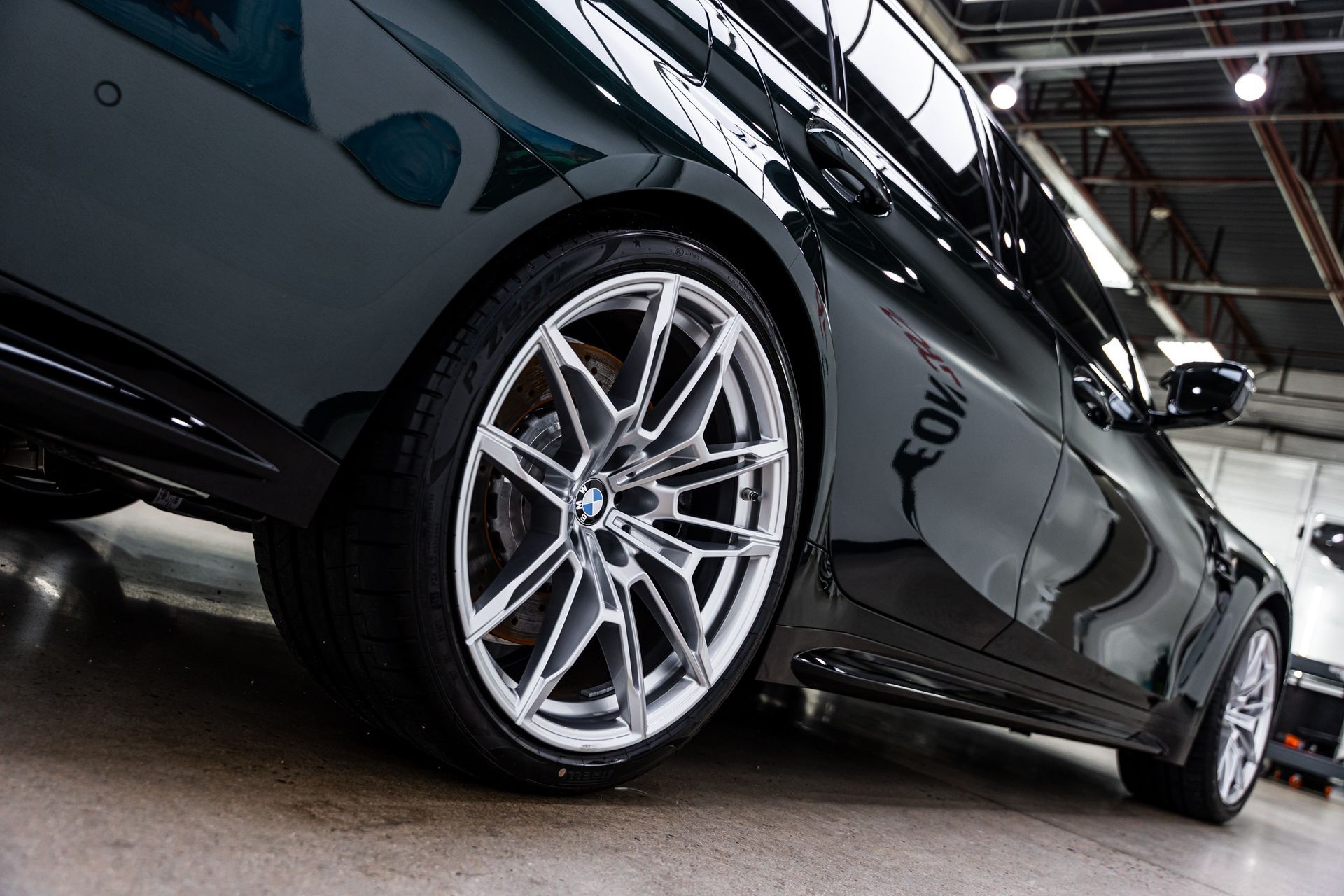
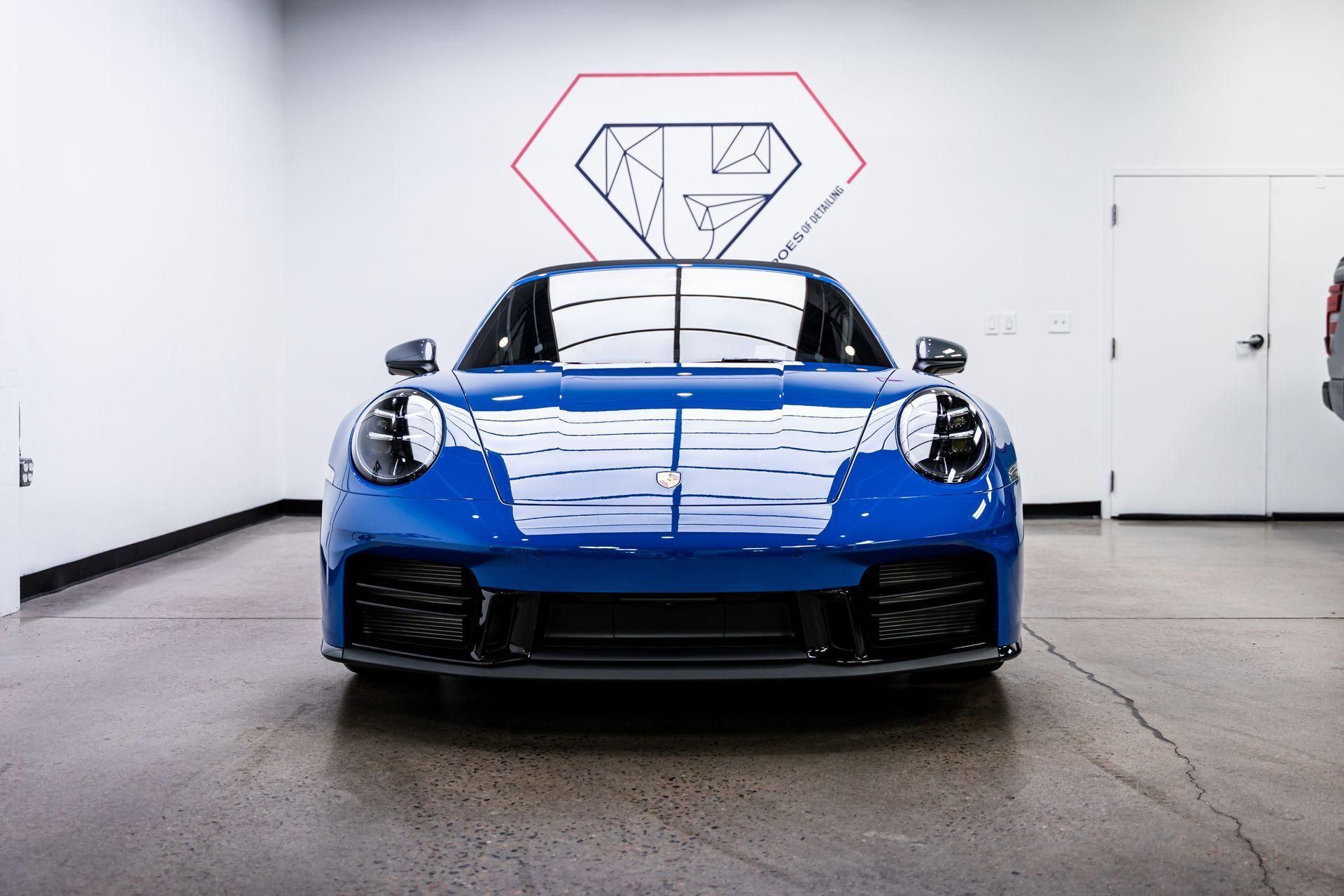
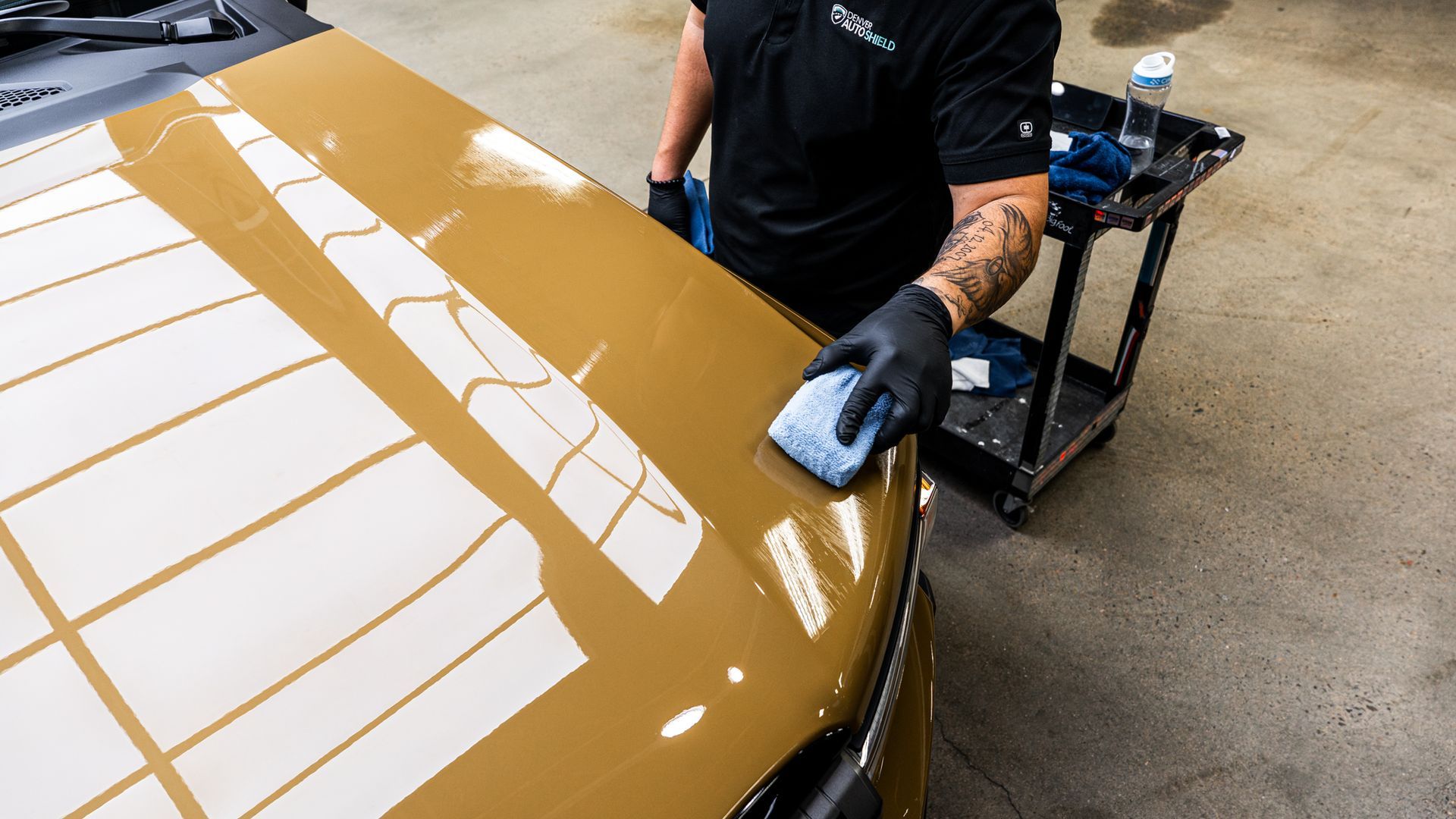
The aesthetic transformation that coatings provide fundamentally changes how light interacts with your car's paint. By bonding on a molecular level, these ceramic layers create a surface so smooth and reflective that light glides off in a mirror-like dance, boosting gloss and depth. This "wet look," often described by enthusiasts as a sign of meticulous care and quality, isn't achievable with waxes or sealants alone. The enhanced clarity intensifies color saturation, making reds appear richer and blacks deeper. This effect turns your vehicle from merely clean to strikingly vibrant, drawing admiring glances without adding any artificial shine.
One of the standout features is the hydrophobic nature of ceramic coatings. When applied properly, the coating causes water to bead up and roll off effortlessly, taking dirt particles along for the ride. This dramatically reduces buildup and makes routine washes easier and less frequent. Consider it a self-cleaning helper that not only keeps your vehicle looking showroom fresh but also minimizes the intensive labor often required during washing. Additionally, chemical resistance built into these coatings shields against contaminants like bird droppings or tree sap—common culprits known for damaging paint if left untreated for extended periods.
The Protective Barrier
Unlike traditional waxes that sit on top of the paint and wear off within months, professional ceramic coatings chemically bond with the vehicle's surface, forming a hard shell that makes them highly resistant to minor wear. This hardness extends the effective life of the finish by several years, reducing the need for costly repainting or professional polishing over time. It's like equipping your car with armor designed specifically to endure sunlight, pollutants, acid rain, and mechanical wear common in everyday driving environments. But all this protection relies heavily on how well the coating is applied. Preparation is crucial: the vehicle must be meticulously washed, decontaminated with iron particle removal, clayed to eliminate bonded dirt, and polished to perfect flaws before the coating goes on—a multi-step process often taking days for professionals to ensure ideal bonding conditions. Certified detailers use precise techniques in clean environments to apply coatings evenly, guaranteeing long-lasting performance with minimal maintenance needs afterward.
Though upfront costs can be significant, professional ceramic coatings provide protection lasting between two and five years, far longer than traditional wax cycles requiring reapplication every few months. Over time, this saves money by cutting down on detailing frequency while maintaining higher resale values due to preserved paint condition. For drivers keen on retaining their investment's aesthetic appeal and value amidst environmental wear and tear, these coatings offer one of the best returns available in automotive care today.
Types of Coatings
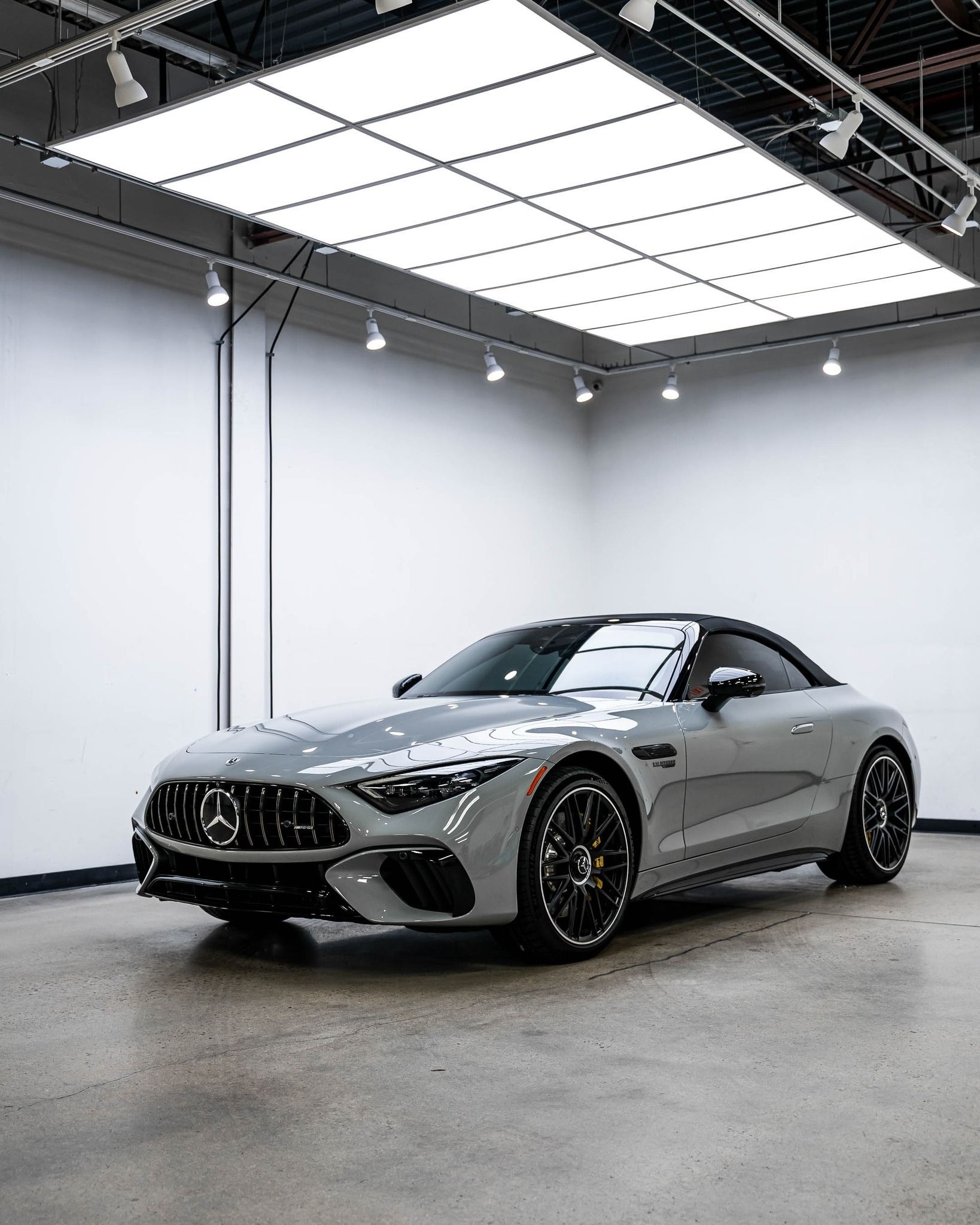
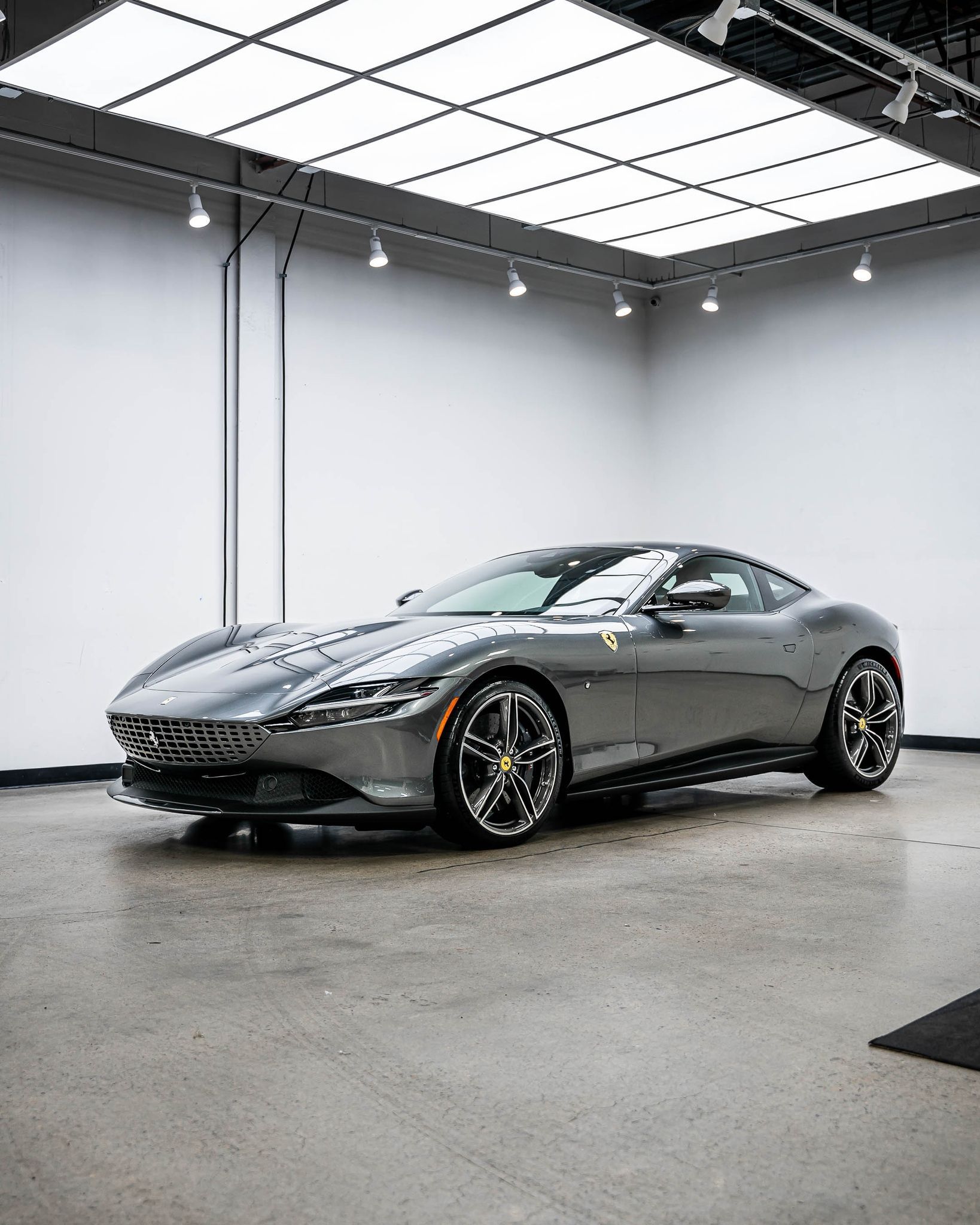
- Wax: Wax has been with us for decades and remains popular among enthusiasts who cherish that warm, natural glow it lends to a vehicle's paint. Wax forms a thin layer on top of the paint that offers modest protection, usually lasting between one and three months before needing a fresh application. What makes wax beloved is its ability to impart a deep, rich shine. However, wax wears off fairly quickly because it's essentially a sacrificial barrier exposed directly to weather, UV rays, bird droppings, road grime, and frequent washes.
- Sealants: They represent a step up from traditional waxes in durability and ease of care. Created from synthetic polymers engineered to bond more permanently to your car's surface, sealants endure roughly six to twelve months depending on conditions. Where wax often dazzles with its rich shine, sealants produce a glossier but somewhat less "warm" finish. Yet their longevity and stronger resistance to environmental hazards often outweigh the subtle differences in aesthetic appeal. Their synthetic nature means they're better at repelling water and contaminants, reducing dirt buildup and making washing easier over time.
- Ceramic Coatings: Made from silica- or quartz-based liquid polymers that bond chemically to harden into an ultra-durable glass-like shell, ceramics can last anywhere between two to five years when properly maintained. Beyond sheer durability, ceramic coatings boast remarkable hydrophobic properties, meaning water beads up delightfully on your panels and rolls off effortlessly. This self-cleaning effect dramatically cuts down on washing frequency and helps preserve that freshly detailed sparkle without labor-intensive upkeep.
Benefits for Car Surfaces
Protective coatings form a robust shield that preserves the integrity of your car's paint. These coatings create a tough molecular bond with your vehicle's surface, making them far more resilient than traditional waxes. Think about the everyday challenges your car faces: scorching sun rays, corrosive road salts during winter, acidic contaminants like bird droppings, and fluctuating temperatures. A good ceramic coating stands up against all these threats, reducing paint oxidation and offering chemical resistance that significantly diminishes damage from environmental hazards. Another remarkable feature is how these coatings simplify your cleaning routine. Ceramic coatings give your vehicle an impressive hydrophobic surface, which means water beads up and rolls off instead of clinging stubbornly to the paint. Instead of water pooling or leaving streaks, it instantly forms droplets that slide away along with dirt and grime. This effect significantly reduces wash time because dirt simply doesn't stick as easily. Over time, this ease of maintenance preserves the smoothness and clarity of your finish.
These practical benefits translate directly into a financial advantage when it comes time to sell or trade in your car. The mirror-like gloss and sustained vibrancy imparted by the coating raise a vehicle's appeal in the used-car market. Buyers notice when a finish remains pristine despite age and mileage—a testament to diligent care enhanced by modern protective technology.
Maintenance and Reapplication Tips
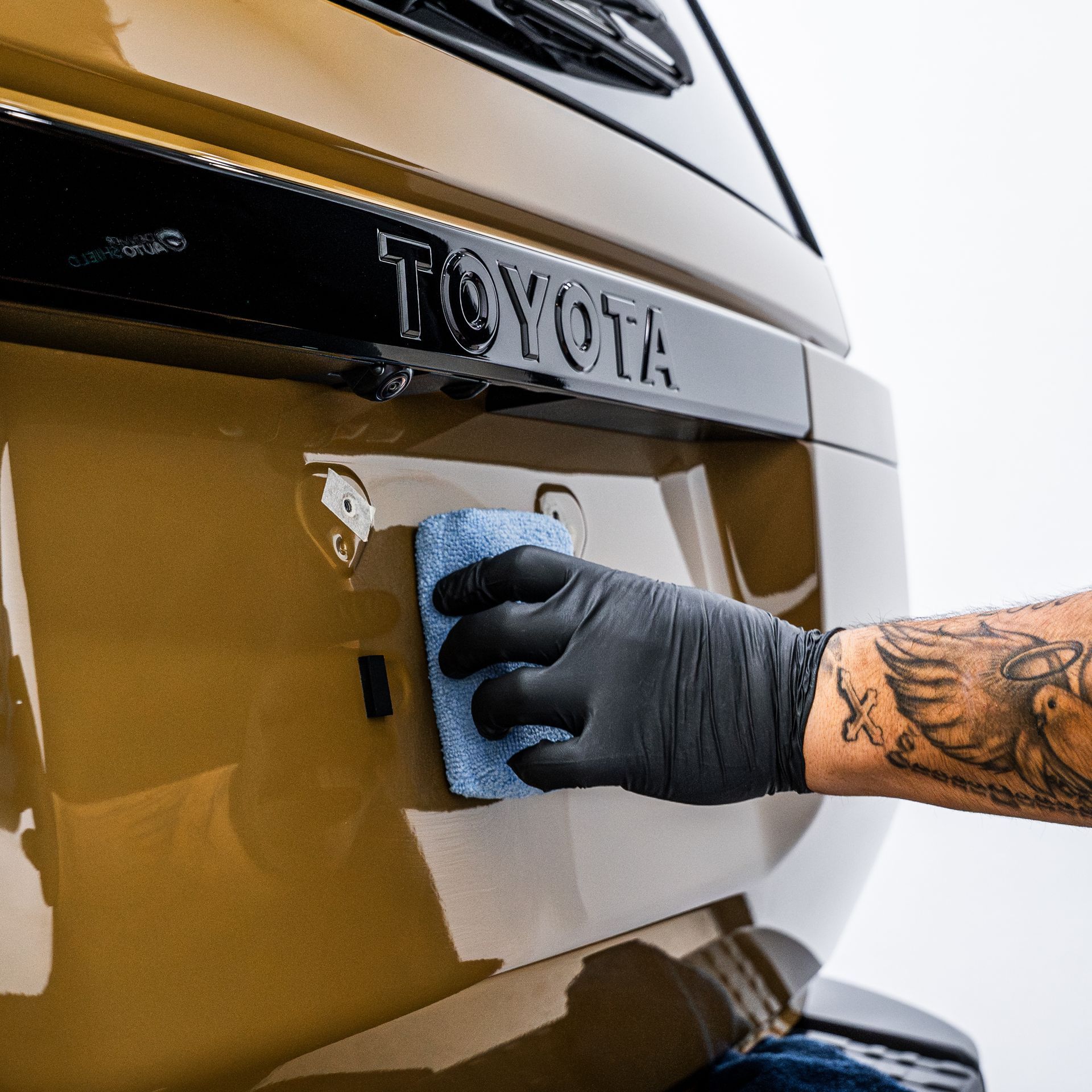
Proper maintenance extends the life of the ceramic coating and ensures it continually performs at its best. One key practice is regular inspections. Paying close attention to your car's surface allows you to catch early signs of wear, such as dull spots or water spots that no longer bead. A monthly look-over paired with simple water-beading tests can save you from costly corrections later. Cleaning is another crucial piece of the maintenance puzzle. Using pH-neutral soaps specifically formulated for coated vehicles protects the integrity of the coating. Harsh cleaners or acidic products strip away protective layers and lead to fading over time. Automatic car washes with abrasive brushes can damage your finish despite the coating's durability. Instead, opt for hand washing with microfiber mitts or use touchless wash setups when available.
Another important step to extend your coating's lifespan is periodic reapplication of topper or booster applications designed to reinforce properties like glossiness and hydrophobicity. Applying these products every six to twelve months replenishes what daily driving uses up. The harsher the environment, such as intense sun or salty roads, the more frequent these boosters may be needed. Aim to wash your car once every one to two weeks while using water softeners if possible—high mineral content in rinse water can leave deposits that dull finishes over time. Consider using clay bars two to three times yearly to remove bonded contaminants invisible during normal washing, helping coatings perform optimally.
Advancements in Coating Technologies
The world of automotive coatings has undergone a quiet revolution, largely driven by advances in materials science. One groundbreaking stride is the introduction of nanotechnology-based coatings. These coatings are engineered at the molecular level using nanoparticles that penetrate and fill microscopic pores within the vehicle's paint surface. The result is a remarkably smooth, glass-like finish that enhances gloss and significantly boosts resistance to dirt, water spots, and environmental contaminants. Another innovation is self-healing coatings, which incorporate specially formulated polymers capable of re-bonding when activated by warmth, such as sunlight or engine heat. These micro-repairs preserve the surface's pristine appearance without any extra intervention, extending the life of the finish and saving time and money otherwise spent on professional detailing.
Graphene, known for its exceptional strength and thermal conductivity, has also captured industry attention. When infused within ceramic coatings, graphene enhances properties such as hardness and heat dispersion. Graphene-enhanced coatings help dissipate heat more efficiently, preventing thermal stress that can degrade paint layers. Owners regularly report superior protection and a deeper, more reflective gloss with less maintenance required over time. Modern coating technologies are redefining car care by combining science with practicality to deliver unmatched durability and shine. Embracing these advancements ensures your high-performance vehicle remains stunning and robust amid demanding conditions.
Ceramic Coating Excellence for Englewood, CO Drivers
Give your vehicle the long-lasting defense it deserves with Denver Auto Shield’s
premium ceramic coating services in Englewood, CO. Our team applies high-performance coatings designed to enhance gloss, improve resilience against daily elements, and make routine maintenance easier year-round. If you want your finish to stay vibrant and protected, trust the specialists who understand what Colorado vehicles face every day.
Schedule your ceramic coating service with Denver Auto Shield and experience unmatched care for your car!